Food
Cheap Pizza Ideas to Stretch Your Food Budget
Ordering pizza feels harmless until you check your bank app and see how fast those slices add up. With food taking about 9.7% of disposable income in the U.S., according to USDA Economic Research Service, pizza nights can quietly push your food spending over the edge. The good news: with the right cheap pizza ideas, you can keep the comfort without wrecking your budget.
Empower reports that Americans spend about 1,546 dollars per month on food at home and away. A big share of that goes to restaurant and delivery meals, including pizza. If you love pizza but also want to stretch your food budget, you need a plan that balances homemade, frozen, and smartly timed takeout.
This guide shows you How to Score Cheap Pizza and Stretch Your Food Budget in a realistic, repeatable way. You will see what pizza really costs, when to make it versus buy it, cheap pizza ideas for every skill level, and how to plug pizza nights into a weekly budget for students, families, and anyone watching cash.
Table of Contents
- What Your Pizza Habit Really Costs
- A Simple Rule for When to Cook
- Cheap Pizza Ideas for Beginners
- Homemade vs Chain vs Frozen Costs
- Control Cheese and Meat Costs
- Cheap Pizza Ideas to Feed More People
- Turn Extra Slices Into New Meals
- Save on Pizza When You Do Not Cook
- Plug Pizza Into a Weekly Food Plan
- Pizza Budget Playbook and Scenarios
- Frequently askedquestions.
- Sources
Key Takeaways
- Delivered pizza twice a week can cost over 160 dollars per month; smart homemade swaps cut that sharply.
- Cheap pizza ideas work best when you control dough, cheese, and meat costs, and stretch meals with simple sides.
- Mixing homemade, frozen, and deal-based takeout keeps variety while staying inside a realistic grocery budget.
- Leftover pizza can become breakfast, sandwiches, or pasta bakes, cutting waste and extra food spending.

An approachable home cook stretches simple pizza dough, using modest portions of toppings to keep dinner delicious and easy on the wallet.
Cost Check
What Your Pizza Habit Really Costs
For most people, pizza is “cheap” only because each order feels small. A quick reality check helps. A typical large delivered pizza in many U.S. Cities runs 16–22 dollars after tax and delivery, before tip. If your household orders that twice a week, you spend roughly 144–198 dollars per month on pizza alone.
The households spend about 3,459 dollars per year on food away from home. Pizza delivery sits squarely in that category. Shifting even two delivery nights per month to homemade or frozen can redirect 30–60 dollars back into your grocery budget or savings.
Compare that with homemade costs. With basic store-brand ingredients, a 14-inch homemade cheese pizza often lands around 3–5 dollars. Even with some pepperoni and vegetables, you usually stay under 6–7 dollars. Frozen pizzas fall between those, typically 4–8 dollars each. Over a month, replacing four delivery nights with two homemade and two frozen options can easily save 60–80 dollars.
USDA Food Plans data, summarized by MealThinker, suggests a low- to moderate-cost grocery budget for a family of four often ranges between 900 and 1,400 dollars per month.[1] If you let pizza delivery soak up 160 dollars of that, other meals get squeezed. Treating pizza like any other line in your food budget gives you more control and less guilt.
Make or Buy
A Simple Rule for When to Cook
Deciding when to make pizza and when to buy it starts with time and frequency. If you eat pizza more than once a week, especially as a family, homemade or semi-homemade should be your default. Delivery becomes an occasional treat, not the norm.
Use this quick framework:
- If you are time-rich and cash-poor, lean hard on homemade dough, simple toppings, and freezer “pizza kits.”
- If you are time-poor but love cheap pizza ideas, keep frozen pizzas and pre-made crusts on hand. Add your own toppings to boost flavor without big spending.
- If you are both time-poor and cash-tight, reserve delivery or takeout for when you can stack coupons, specials, or rewards.
Think about scale too. For one person, a 5-dollar frozen pizza might beat homemade on both cost and effort. For a family of four who want two large pizzas, homemade often wins. Once you cross roughly 20 dollars for a pizza meal, it usually makes sense to consider cooking unless you are consciously paying for convenience that night.

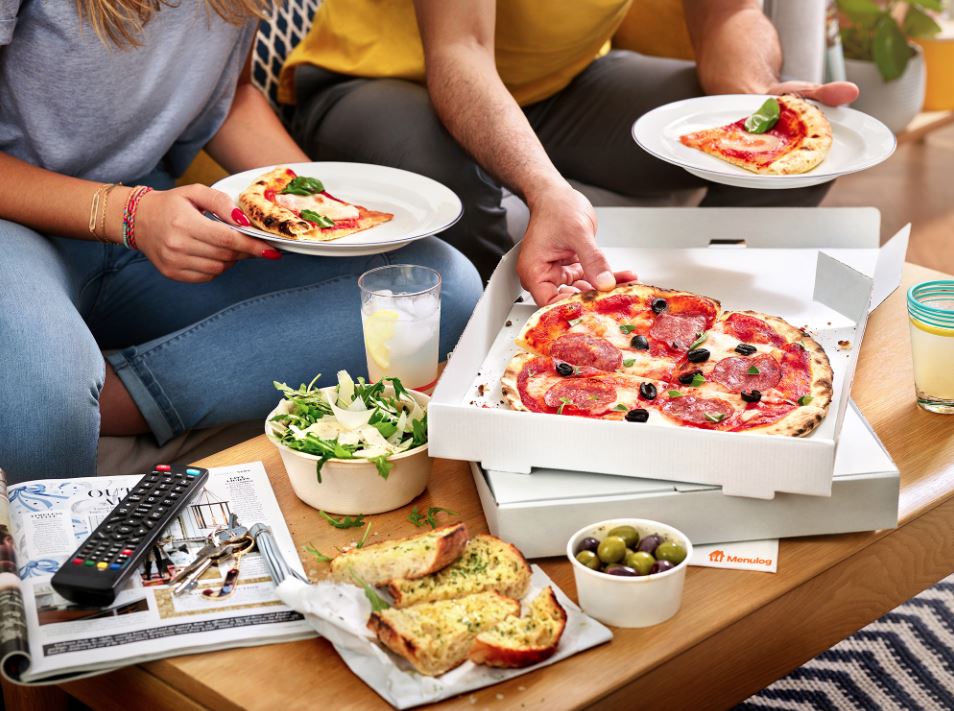
One thoughtfully topped pizza, plus a hearty salad and simple side, turns pizza night into a satisfying, budget-friendly meal for the whole table.
Home Basics
Cheap Pizza Ideas for Beginners
You do not need to be a baker to make pizza that beats delivery on cost. Start with a “good enough” dough and simple sauce. A basic dough formula is: warm water, instant yeast, a bit of sugar, salt, oil, and all-purpose flour. Mix, rest 1–2 hours, and you are ready. Or use store-brand pizza dough balls or pre-baked crusts when you want faster cheap pizza ideas.
For sauce, crushed or diced canned tomatoes plus salt, pepper, garlic powder, and a pinch of sugar work well. A small can often covers two 12–14 inch pizzas. Shredded mozzarella from large bags is far cheaper per ounce than small packets or pre-sliced cheese.
Here is a rough homemade pizza cost example in the U.S.:
- Dough ingredients: about 0.60–1.00 dollars per large pizza
- Sauce (from a can): about 0.40–0.60 dollars
- Cheese (6–8 ounces): about 2.00–3.00 dollars when bought in bulk
- Basic toppings (onion, bell pepper, a little pepperoni): about 1.00–2.00 dollars
You end up with a loaded large pizza for roughly 4–6 dollars, far below delivery. Once you make dough once or twice, you will see why many frugal cooks rely on this as a core budget pizza recipe.
Price Compare
Homemade vs Chain vs Frozen Costs
To ground your cheap pizza ideas in numbers, compare cost per pizza type. Prices vary by city, but this simple table gives a realistic snapshot for a 14-inch pizza in the U.S.
| Pizza Type | Typical Price | Slices (8) | Cost Per Slice | Best Use Case |
|---|---|---|---|---|
| Homemade | $4–$6 | 8 | $0.50–$0.75 | Regular family night |
| Frozen Grocery | $4–$8 | 8 | $0.50–$1.00 | Emergency backup |
| Chain Carryout | $8–$14 (deal) | 8 | $1.00–$1.75 | Occasional treat |
| Delivered Pizza | $18–$25 | 8 | $2.25–$3.10 | Rare convenience |
Once you see cost per slice, cheap pizza ideas start to feel more real. A family of four eating two slices each spends about 4–12 dollars with homemade or frozen, versus 18–25 dollars with delivery. Do that swap three times a month and you can redirect 30–60 dollars toward groceries, debt payments, or savings.
Empower notes that 89% of people say cooking at home is the best way to save money on food.[2] Pizza fits that pattern perfectly when you treat delivery like a special event, not a default habit.
Topping Math
Control Cheese and Meat Costs
On a pizza, cheese and meat are where your money goes fastest. Keeping those under control is one of the most powerful cheap pizza ideas you can use. A full pound of mozzarella on one pizza tastes great but pushes your cost up. Aim for 6–8 ounces on a 14-inch pizza, spread evenly to the edges.
Buy big blocks or large bags of cheese when they are on sale, then portion into 6–8 ounce bags and freeze. Do the same with pepperoni, sausage, or bacon pieces. One bag per pizza keeps both spending and calories in check.
Use vegetables and pantry items to bulk out toppings:
- Onions, bell peppers, canned mushrooms
- Frozen spinach or broccoli (thawed and squeezed dry)
- Leftover roasted vegetables or shredded chicken
- Canned olives or a sprinkle of dried herbs
These cheap pizza toppings turn one modest amount of cheese and meat into a satisfying meal. You get more texture and flavor without jumping your cost per pizza. Over a month of pizza nights, that topping discipline can easily save another 10–20 dollars.
Stretch Tactics
Cheap Pizza Ideas to Feed More People
The easiest way to stretch your food budget with pizza is to treat it like the main feature, not the whole meal. For adults, plan on 2–3 slices each. For kids, 1–2 slices is plenty, especially with filling sides. That means a standard large pizza can cover 3–4 adults or a family of four when you support it with cheap sides.
Great low cost dinner ideas to pair with pizza include:
- Big green salad with lettuce, carrots, and cucumbers
- Sheet-pan roasted potatoes or sweet potatoes
- A quick pot of bean soup or lentil soup
- Frozen mixed vegetables sautéed with garlic and oil
These add bulk and nutrition for 1–3 dollars extra. Instead of buying a second pizza for another 18 dollars, you spend a few dollars at home and use what you already have. For families, turning one pizza into “pizza night on a budget” with sides can trim 30–40 dollars per month.
“
The cheapest pizza night is usually one thoughtfully topped pizza plus simple sides, not two overloaded pies.
Cheap pizza ideas also include portion planning. If you know you always over-order, commit to one pizza plus sides, then wait 15 minutes before deciding you need more. Most of the time, you will realize everyone is full enough.
Leftover Magic
Turn Extra Slices Into New Meals
Cheap pizza ideas do not stop when dinner ends. Leftover pizza is a powerhouse ingredient if you treat it that way instead of letting it dry out in the box. Store slices in an airtight container in the fridge for up to 3–4 days, with parchment between layers so they do not stick.
Reheating well protects your “investment.” Use a skillet with a lid on medium-low heat or an air fryer. Avoid the microwave when you can, since it makes crust tough. You can also freeze slices wrapped tightly in plastic and foil for up to 1–2 months.
Here are leftover pizza recipes that stretch your food budget:
- Breakfast pizza: crack an egg on top of a slice and bake until set.
- Pizza grilled sandwich: fold a slice, add extra cheese if you like, and toast in a skillet.
- Pizza croutons: cube leftover slices, bake until crisp, and use on salads or soup.
- Pizza pasta bake: tear slices into chunks, mix with cooked pasta and a little sauce, then bake.
Each of these turns one more meal out of food you already paid for. Across a month, consistently using leftovers like this can replace at least one extra lunch or dinner per week, cutting grocery or takeout spending by another 20–40 dollars.
Deal Nights
Save on Pizza When You Do Not Cook
Some nights, cooking is not happening. You still have options that fit a tight budget. Cheap pizza ideas for takeout start with timing and discipline. Search “pizza deals near me” earlier in the day, not when you are already starving. Many chains offer weekday carryout specials, lunch deals, or limited topping offers that can cut the base price in half.
Use apps or email lists for your favorite spots to catch loyalty rewards and birthday offers. Just be careful with upsells. Extra toppings, cheesy bread, and drinks are where orders double in price. Buy soda at home for a fraction of the restaurant cost, or drink water.
Consider these guidelines for deal-based nights:
- Aim for carryout instead of delivery when you can, to avoid fees and lower tips.
- Stick to one deal pizza plus sides at home, not multiple specialty pies.
- Share large pizzas rather than individual meals.
Food-away-from-home spending has grown faster than at-home spending for years.[3] That trend pressures budgets. Having clear rules for pizza deals lets you enjoy the convenience without drifting into constant overspending.

A quiet night in with a simple pizza and a phone in hand, choosing deals thoughtfully so takeout fits comfortably inside a careful food budget.
Budget Fit
Plug Pizza Into a Weekly Food Plan
To fit pizza into your budget long term, you need to see it on paper. USDA Economic Research Service data shows U.S. Households spend about 9.7% of disposable income on food, and USDA Food Plans plus MealThinker examples put many family-of-four grocery budgets between 900 and 1,400 dollars per month. Cheap pizza ideas work best when they live inside those numbers.
Here is a simple weekly pattern for a family of four on a low- to moderate-cost plan:
- 1 homemade pizza night: about 6–8 dollars including toppings
- 1 frozen pizza “backup” night: about 5–8 dollars plus a salad
- 1 delivery or carryout night per month: about 20–25 dollars, treated as a treat
Spread across a month, that could mean roughly:
- 4 homemade nights: 24–32 dollars
- 4 frozen nights: 20–32 dollars
- 1 delivery night: 20–25 dollars
Total: about 64–89 dollars per month on pizza, instead of 160 dollars or more if every pizza night is delivered. For students or singles, scale the pattern down: one frozen pizza split into two meals, plus occasional slice specials, can keep pizza in your life without blowing a small grocery budget. This is how to make How to Score Cheap Pizza and Stretch Your Food Budget feel practical, not theoretical.
Quick Wins
Pizza Budget Playbook and Scenarios
To turn all these cheap pizza ideas into action, focus on a few habits. First, pick your “default” pizza: one go-to homemade recipe or one favorite frozen brand you buy only on sale. Second, keep a topping kit in your freezer with portioned cheese and meats so you are always 15–20 minutes from a low cost dinner idea.
If you only do three things this month:
- Swap two delivery nights for homemade or frozen.
- Cap cheese at 6–8 ounces per large pizza and use vegetables to bulk out toppings.
- Plan one pizza night a week on your calendar, plus cheap sides, so you stop panic-ordering.
For a student, that might look like: tortilla pizzas in a skillet, a weekly frozen pizza with a bagged salad, and one discounted slice special with friends. For a busy family, it could be Sunday homemade pizza, one midweek frozen backup, and a Friday deal carryout once a month. Both approaches keep pizza fun, predictable, and budget-friendly.
How can I start using cheap pizza ideas if I hate cooking?
Keep things semi-homemade. Use pre-made crusts or flatbreads, jarred sauce, and pre-shredded cheese. You still get most of the savings without messing with dough. Pair with bagged salad to create pizza night on a budget in under 20 minutes.
Is homemade pizza always cheaper than frozen or delivery?
Not always, but usually. Homemade wins when you buy flour, yeast, cheese, and toppings in bulk and use them regularly. Frozen pizzas can be close in price when heavily discounted, and delivery is usually the most expensive, especially after fees and tips.
How often can I eat pizza and still stretch my food budget?
Pizza can appear weekly or even more often if you mix homemade and deal nights thoughtfully. The key is keeping delivery rare and planning sides that are cheap and filling. If your overall grocery budget stays inside USDA Food Plans ranges for your household, you are likely on track.
What are the best cheap pizza toppings that still taste good?
Onions, bell peppers, canned mushrooms, frozen spinach, and olives are reliable cheap pizza toppings. Small amounts of stronger cheeses like parmesan can boost flavor without much cost. Use meat like pepperoni or sausage sparingly and surround it with vegetables.
How do cheap pizza ideas help with my overall food spending?
They reduce your “food away from home” spending, which U.S. Bureau of Labor Statistics and USDA Economic Research Service show grows faster than at-home spending. By shifting even a few pizza meals per month to homemade or frozen, you free up cash for produce, protein, or savings without feeling deprived.
Treating pizza like a planned part of your budget instead of a surprise expense changes everything. You now have clear cheap pizza ideas for dough, toppings, sides, leftovers, and smarter deal nights, all grounded in realistic food-spending numbers from Empower, USDA Food Plans, and U.S. Bureau of Labor Statistics. That is the heart of How to Score Cheap Pizza and Stretch Your Food Budget in real life.
Next time you think about ordering, pause for 30 seconds. Ask whether this should be a homemade night, a frozen backup, or a true delivery treat. Over a month or two, those small decisions can keep 50–100 dollars in your pocket while still giving you the joy of pizza night. In the long run, pairing these habits with a cashback app like Oodlz on your grocery and takeout spending helps your pizza budget work even harder, and using Oodlz alongside a rewards credit card can stack even more value on every slice.