Food
Save Money on Groceries Without Losing Quality
Grocery receipts keep climbing, and it can feel impossible to eat well without overspending. According to Move.org, the average American now spends about $370 per person each month on groceries. When you care about taste and health, it is easy to assume your only options are bland budget food or blowing your budget. That is exactly where learning How to Save Money on Groceries Without Sacrificing Quality changes things.
Quality is not just a brand name. It is how your food tastes, how it supports your health, and whether it is safe and fresh. Research in the journal hosted on PMC shows healthier diets usually cost more, and surveys from International price is now the top driver of food choices for most shoppers.
This guide gives you a clear, realistic system to save money groceries without losing flavor, nutrition, or convenience. You will get a simple 3-step weekly routine, a quality-first “splurge vs. Save” framework, category-by-category tips, and sample grocery lists for different households. By the end, you will know exactly where to focus this month to lower your bill while keeping your meals satisfying.
Table of Contents
- How Much Your Groceries Should Cost
- A Quality-First Grocery Savings Matrix
- Plan to Protect Quality and Cost
- Shop to Save Money Groceries Without Stress
- Cook and Store to Cut Waste
- Category Strategies for High-Quality Budget Food
- Save Money Groceries Without Losing Your Style
- Example Budget Shifts and Quick Wins
- Frequently askedquestions.
- A 30-Day Quality-First Grocery Challenge
- Sources
Key Takeaways
- Quality means taste, nutrition, and food safety, not paying for fancy labels.
- A 3-step system—plan, shop, and cook/store—beats random grocery hacks.
- Reducing food waste is usually the fastest way to save money groceries without cutting quality.
- Smart swaps (like frozen produce and store brands) protect diet quality on a budget.
- Tailored mini-plans help singles, couples, and families save in ways that fit their lifestyle.
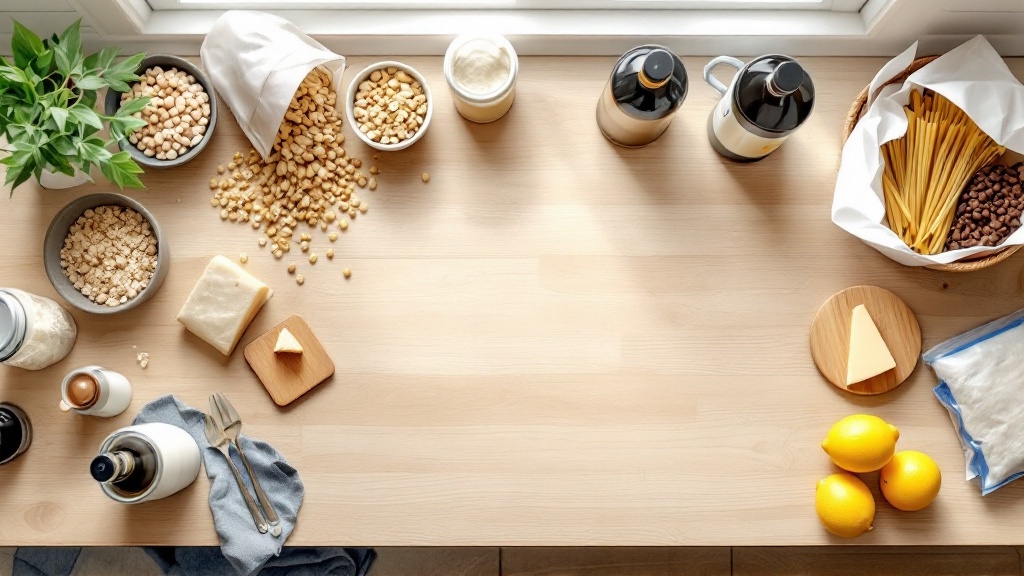
Balancing everyday staples with a few favorite splurges keeps grocery costs in check while protecting the flavors and quality that matter most to you.
Budget Targets
How Much Your Groceries Should Cost
Before you try to save money groceries without hurting quality, you need a realistic target. Move.org reports that Americans spend about $370 per month on groceries per person, and groceries account for roughly 8–11% of monthly expenses.[1] That means a family of four often sees $1,400–$1,600 on food at home every month.
Prices also keep edging up. The U.S. Bureau of Labor Statistics says food prices rose 3.1% from late 2024 to late 2025, with food-at-home inflation at 2.4%. Most core items—meat, cereals, fruits, and vegetables—saw increases. Many shoppers feel like prices are rising even faster than they are, which Choices Magazine analysis links to how we notice frequent small jumps on everyday items.
To find your starting point, pull your last one to three months of bank or card statements. Add everything that counts as food at home—grocery stores, warehouse clubs, and online grocery orders. Divide the total by the number of months to get your average monthly spend, then divide again by household size.
Next, compare your number to that $370-per-person benchmark. If you are far above, you have more room to save money groceries without really tightening your lifestyle. If you are close or below, you will focus more on waste cuts and smarter quality choices than raw dollar reductions.
Quality Framework
A Quality-First Grocery Savings Matrix
To save money groceries without sacrificing what matters, define quality clearly. Think in three parts: taste and enjoyment, nutrition, and food safety or shelf life. Expensive does not always mean higher quality across these three dimensions.
Research in the diet-cost review on PMC finds that higher diet quality usually comes with higher spending, and many people believe healthy foods always cost more.[2] Northwell Health’s summary of the price is a top barrier to better diets. The good news is that format (canned, frozen, fresh), timing (seasonal), and brand choices can close much of that cost gap.
Here is a simple “splurge vs. Save” matrix to guide you:
| Category | Usually Save Choice | Sometimes Splurge | Why It Works |
|---|---|---|---|
| Beans & Grains | Canned/dried store brand | None needed | Same nutrition |
| Produce | Frozen, seasonal | Peak-season favorites | Quality at lower cost |
| Dairy | Store-brand basics | Special cheeses | Similar nutrients |
| Fats & Oils | Standard vegetable oil | Good olive oil | Flavor and heart health |
Use this matrix as a living tool. Circle where you care most about taste—maybe coffee, olive oil, or a weekly cheese—and protect those. Then commit to save money groceries without emotion on workhorse items like oats, frozen vegetables, and canned beans where store brands are virtually identical.
Step 1
Plan to Protect Quality and Cost
The fastest way to save money groceries without losing quality is a 30-minute weekly planning habit. Nutrition.gov and International Food Information Council both stress that simple, repeatable meal planning improves diet quality while reducing impulse spending.[3]
Start with a quick inventory:
- Check fridge, freezer, and pantry. List proteins, grains, and produce that need to be used soon.
- Glance at store flyers or apps to see which proteins and staple items are on sale.
- Decide on 3–4 dinners, 2–3 lunches, and 2–3 breakfasts you will repeat.
Next, build meals around sale proteins and in-season or frozen produce. A balanced week might mix a roast chicken, a bean-based chili, and a pasta with vegetables. Aim to cook once and eat twice, using leftovers for lunches. That pattern helps you save money groceries without feeling like you are eating the same thing every day.
Protects diet quality:
- Sun: Roast chicken, potatoes, carrots
- Mon: Chicken grain bowls with leftover chicken and vegetables
- Tue: Bean and veggie chili, cornbread
- Wed: Chili-stuffed baked potatoes
- Thu: Whole-wheat pasta with tomato sauce, frozen spinach, and a little cheese
- Fri: Veggie omelets and toast
- Sat: DIY burrito bowls with rice, beans, frozen corn, toppings
You can flex proteins and vegetables based on what is on sale in your area, while the structure stays the same.
Step 2
Shop to Save Money Groceries Without Stress
Once you have a plan, shopping with intention is how you save money groceries without feeling deprived. Go in with a specific list based on your meals, plus staples you are genuinely low on. International Food Information Council notes that most shoppers who plan ahead feel more in control and waste less food.[4]
In-store, compare unit prices rather than shelf price. Larger sizes are not always cheaper per ounce. Store brands often match name brands in ingredients, especially for basics like oats, canned tomatoes, beans, and milk. Try switching one or two categories at a time and judge quality for yourself.
For many people, curbside pickup or delivery helps save money groceries without the constant temptation of end-cap displays. You see the running total before checkout, can delete items easily, and skip impulse snacks. Loyalty programs and digital coupons are useful when you apply them only to items already on your list.
Online or in-store, it also pays to consider your time. Driving to three stores for tiny savings burns energy and gas. Many households do best with one main store, plus an occasional warehouse-club or discount-store stock-up for bulk items like rice, oats, frozen vegetables, and toilet paper.
“
The biggest grocery savings often come from fewer impulse buys and less waste, not from chasing every last discount.
Step 3
Cook and Store to Cut Waste
A typical four-person household throws away around $1,600 of food every year. If you want to save money groceries without touching your favorite ingredients, cutting waste is often the single strongest lever. You keep quality and taste, but simply stop paying for food that never gets eaten.
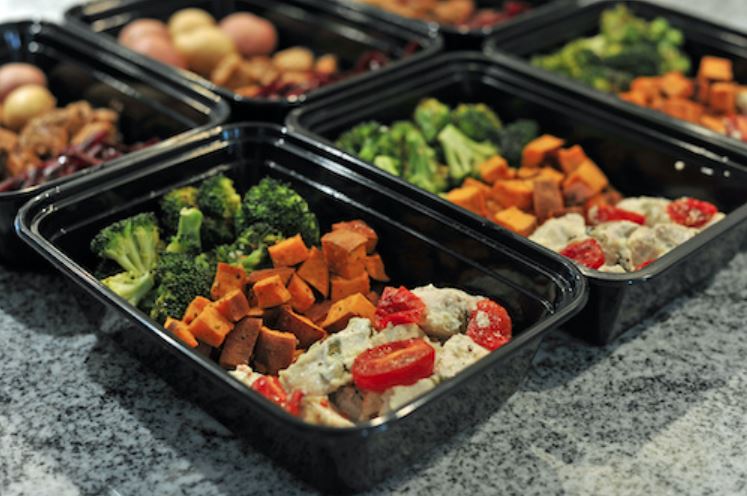
Batch cooking is your ally. Pick one or two base ingredients each week—like a big pot of beans, a tray of roasted vegetables, or a pot of brown rice. Use them across several meals: burrito bowls, salads, quick soups, or egg scrambles. This approach keeps weekday cooking simple while making healthy choices easier.
Freezer habits matter a lot. International Food Information Council and Nutrition.gov both encourage freezing extra bread, cooked grains, meats, and ripe fruit to extend shelf life. Label containers with the food and date, and keep a simple list on your freezer door. When you shop your freezer first each week, you instantly save money groceries without changing where you shop.
Understanding date labels helps too. “Best by” usually refers to quality, not safety. If something looks, smells, and tastes normal, it often remains safe past that date. Use your senses and basic food safety rules to avoid throwing away perfectly good food.
Food Groups
Category Strategies for High-Quality Budget Food
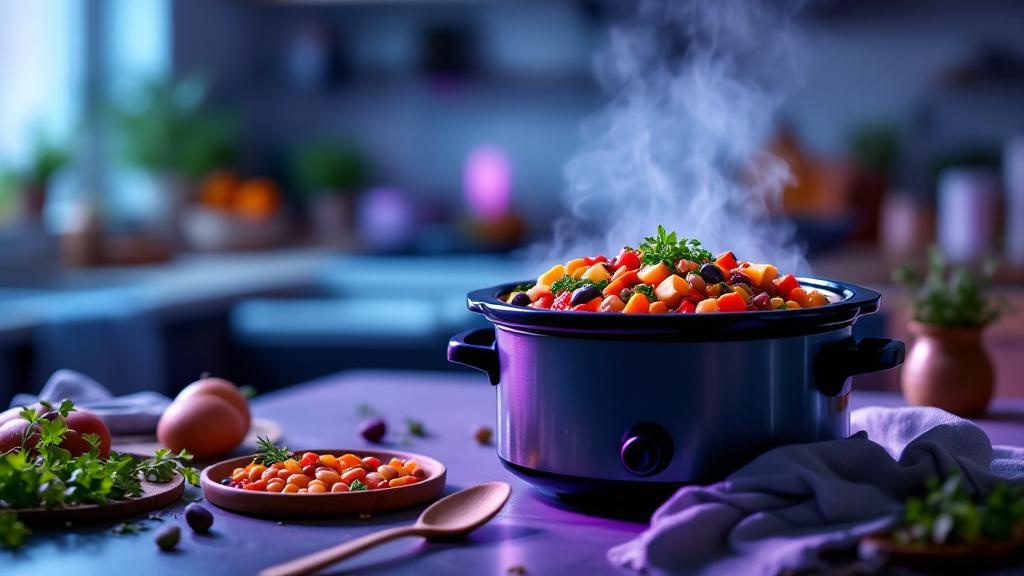
Different food groups offer different chances to save money groceries without losing quality. Start with proteins. Meat is usually the most expensive line on a grocery receipt. Shrinking portions slightly, using cheaper cuts in slow-cooker meals, and adding plant proteins like beans, lentils, tofu, and eggs can maintain taste and nutrition at a lower cost.
For carbohydrates, whole grains in bulk are often a better deal than boxed mixes. Store-brand oats, brown rice, and whole-wheat pasta usually give the same nutrition for fewer dollars. Bread from the markdown rack, frozen promptly, stays high quality and becomes toast, grilled sandwiches, or breadcrumbs.
Produce is where many people feel torn between quality and cost. Fresh, seasonal produce tastes great and is sometimes cheapest, but frozen fruits and vegetables are usually picked at peak ripeness, flash-frozen, and very nutrient-dense. A mix of seasonal fresh items and frozen staples helps you save money groceries without cutting vegetables from your diet.
Dairy and snacks are big swing categories. Plain yogurt, milk or soy milk, and cottage cheese are nutrient-dense and usually cheaper per serving than flavored drinks or individual snack cups. For snacks and beverages, switching from bottled drinks and packaged desserts to water, homemade popcorn, and simple fruit is one of the fastest ways to lower your bill while improving diet quality.
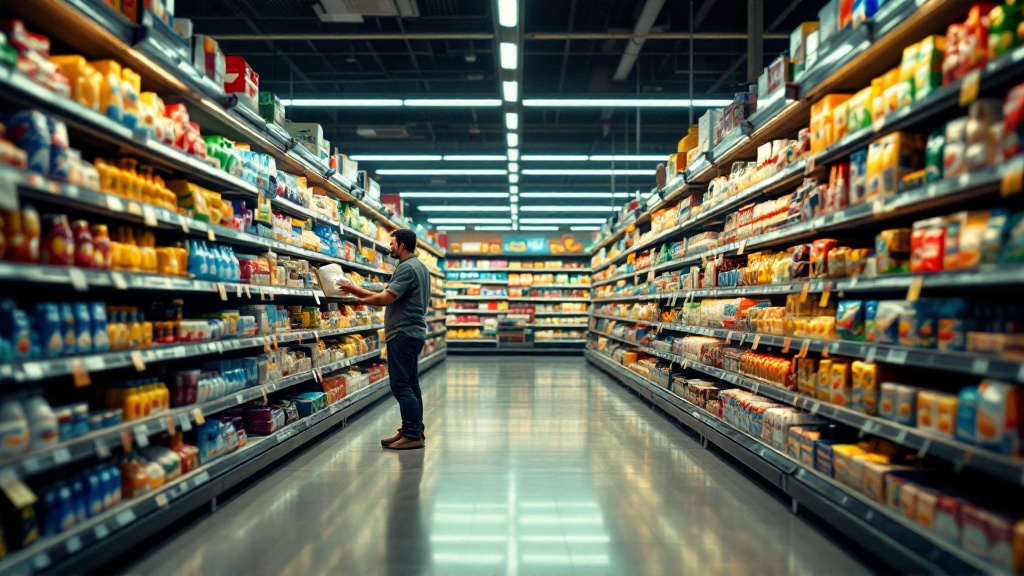
Choosing store-brand staples over eye-level premium options is a subtle habit shift that protects both your grocery budget and the quality of your meals.
Profiles Guide
Save Money Groceries Without Losing Your Style
Households look different, so the way you save money groceries without sacrifice should fit your life. Here are three simple profiles with sample weekly budgets and focus points. Numbers use US examples; you can adjust for local prices.
For a single person on a tight budget, a realistic target might be $50–$70 per week. Build around oats, eggs, beans, frozen vegetables, rice, and a few fresh items like carrots, onions, and apples. Choose one or two flavor “splurges,” like good coffee or a favorite sauce, so your meals still feel enjoyable.
A busy couple with limited time might aim for $90–$140 per week. They can save money groceries without much extra work by using planned leftovers, sheet-pan dinners, and a mix of fresh and frozen produce. Buying a larger pack of chicken or tofu on sale, cooking it all at once, and freezing portions keeps weeknights easy.
A family of four that wants healthier meals might target $180–$260 per week, depending on age and appetites. Focus on big-batch meals—chili, soups, casseroles, roast chicken with veggies—that stretch into lunches. In this setup, the adults can still save money groceries without giving up occasional family treats, as long as those are planned instead of impulsive.
Real Numbers
Example Budget Shifts and Quick Wins
To see how you can save money groceries without guesswork, look at a simple before-and-after scenario. Imagine a family of four currently spending $600 per month. They buy lots of convenience foods, large amounts of meat, and often throw away wilted produce.
By adding a weekly 30-minute planning session, switching some meat-heavy meals to bean-based dishes, and using more frozen vegetables, they might cut $60–$100 per month. Reducing midweek “just one thing” trips, which often add $20–$40 in extras, can easily save another $40–$60. That moves their bill from $600 to around $440–$500 while keeping or improving diet quality.
Another quick win is to track “wasted food” for two weeks. Write down anything that hits the trash or compost with its rough value. Many households see $15–$30 per week disappear. Targeting that waste with better storage, freezing leftovers, and realistic produce buying helps you save money groceries without even noticing food changes.
When you combine these moves with occasional bulk buys of staples and smarter brand choices, seeing savings of $100–$150 per month is realistic for many households. That is $1,200–$1,800 per year for the same or better quality of food.
Is healthy food always more expensive?
Healthy food is often perceived as pricier, and research in the diet-cost review on PMC shows higher diet quality usually costs more overall. That said, you can often save money groceries without lowering quality by choosing frozen produce, canned beans, whole grains in bulk, and seasonal fresh items instead of out-of-season or highly processed products.
Is it cheaper to shop at warehouse clubs?
Warehouse clubs can help you save money groceries without effort on certain items, especially bulk grains, beans, frozen vegetables, and basic dairy. However, big packages of perishable foods can turn into waste if your household is small or your schedule is unpredictable. The key is to buy only items you know you will use before they spoil.
How can I save money if I do not like cooking?
If you dislike cooking, focus on very simple meals and components. You can still save money groceries without spending hours in the kitchen by using rotisserie chicken with bagged salad and microwavable rice, frozen steam-in-bag vegetables, eggs, and ready-to-eat items like canned beans and tuna. A few basic “assembly” meals beat frequent takeout in both cost and nutrition.
How do I budget for special diets like gluten-free?
Special diets often cost more per item, but you can still save money groceries without compromising your health needs. Concentrate on naturally gluten-free or allergy-friendly staples like rice, potatoes, beans, eggs, plain yogurt, and most fruits and vegetables. Use specialty products, like gluten-free bread or dairy-free cheese, as targeted additions rather than the base of every meal.
What is a good first step if my budget feels out of control?
Start by tracking a normal month of spending and writing a simple list before each trip. That awareness alone often helps you save money groceries without changing your favorite meals yet. Once you see where your money goes, pick one focus area for the next month, such as cutting waste, reducing convenience snacks, or planning three dinners per week.
Your Next Step
A 30-Day Quality-First Grocery Challenge
You now have a clear model for How to Save Money on Groceries Without Sacrificing Quality, built on planning, smart shopping, and waste reduction. To put it into practice, try a simple 30-day challenge that fits real life. The goal is not perfection. It is building a routine you can keep.
In week 1, track every grocery purchase and always shop with a list, avoiding hungry shopping when you can. Week 2, start planning at least three dinners and use what is already in your pantry or freezer first. Week 3, add one or two meatless meals and pick two bulk staples, like oats and rice, to buy in larger, cheaper packages.
In week 4, focus on your freezer: batch-cook one base ingredient, freeze leftovers in labeled containers, and build at least two meals from what you already have. If you want to stretch your dollars even further, using a cashback app like Oodlz on top of store sales and your new habits can quietly add extra savings. Over a few months, those steady changes can save hundreds of dollars a year while you enjoy food that is just as good—or better—than before.