Food
Air Fryer Health Benefits for Better Eating on a Budget
If you crave crispy fries or wings but worry about your health and rising energy bills, you are not alone. Many people wonder whether air fryer health benefits and energy savings are real or just marketing. Understanding How Air Fryers Can Help You Save Money and Eat Healthier can make buying or using one feel like a smart decision instead of a gadget gamble.
Compared with deep frying, air frying can cut fat by up to 75–80%, according to Healthline and Hartford Hospital. Cleveland Clinic adds that air frying certain plant foods can reduce acrylamide, a possible carcinogen, by about 90% versus deep frying. At the same time, air fryers often use about half the energy of standard ovens.
This guide explains how air fryers work, the main air fryer health benefits and risks, and where they save or waste money. You will see practical cost and calorie comparisons, simple meal templates, and clear cooking tips. By the end, you will know exactly how to use an air fryer to support both better nutrition and a lower monthly food and energy budget.
Table of Contents
- How Air Fryers Cook Food
- Key Air Fryer Health Benefits
- Health Risks, Acrylamide, and Myths
- How Air Fryers Save You Money
- When Air Fryers Are Not Cheapest
- Use Air Fryers for Healthier Routines
- Turn Air Fryer Health Benefits Into Habits
- Cost and Health Comparison Examples
- Convert Fried Meals to Air Fryer Versions
- Cooking Tips for Taste, Safety, and Savings
- Frequently askedquestions.
- Make Your Air Fryer Work for You
- Sources
Key Takeaways
- Air frying usually cuts fat by up to 75–80% versus deep frying, which supports heart health and weight management.
- Air fryers often cost around half as much per hour to run as full‑size ovens, especially for small meals.
- Health risks mostly come from high‑heat browning, not the appliance itself, and you can reduce them with simple habits.
- The biggest air fryer health benefits appear when you swap take‑out and deep‑fried foods for home‑cooked whole foods.
- A basic strategy and a few meal templates help you actually save money and eat healthier, not just make “healthier junk food.”
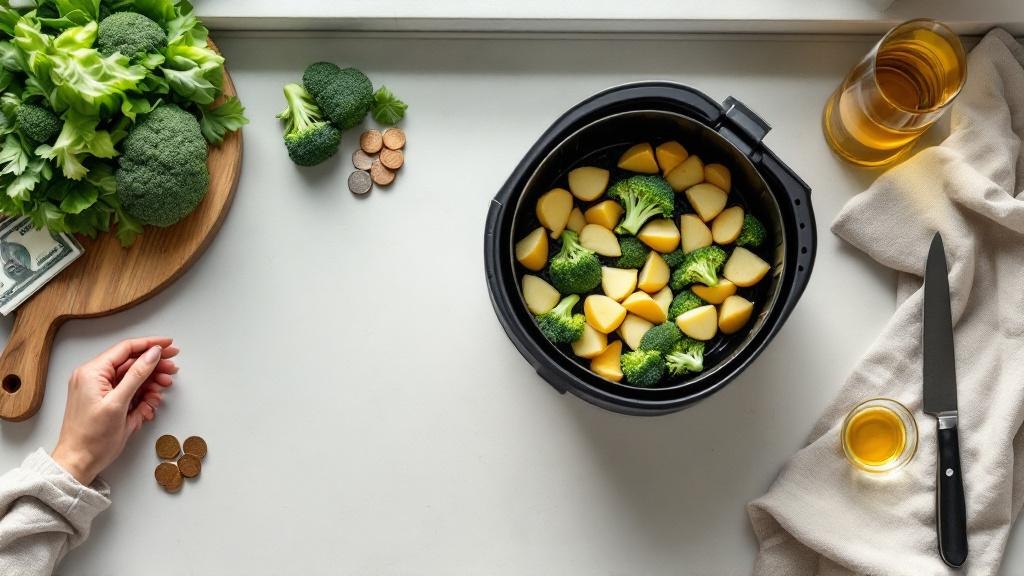
A teaspoon of oil, simple vegetables, and a compact air fryer hint at both healthier cooking and smaller monthly bills.
How It Works
How Air Fryers Cook Food
An air fryer is basically a small, powerful convection oven. A heating element and strong fan push very hot air around your food, creating a “fried” texture with little or no added oil.
Instead of submerging food in several cups of hot oil, you usually toss it in about a tablespoon of oil or even just spray it lightly. Healthline explains that this drastic cut in oil is why air fryer calories vs deep frying are usually much lower.[1]
Because the basket is compact, that hot air circulates quickly and evenly around the food. This fast circulation dries the surface, giving you crisp edges on potatoes, chicken, and vegetables. It is similar to oven roasting, but concentrated in a smaller space, so preheating and cooking are often faster.
From an energy angle, Energy Saving Trust notes that heating a small chamber instead of a large oven cavity uses less power for small batches. CNET estimates that a typical air fryer costs about 27 cents per hour to run in New York, compared with roughly 52 cents for a full‑size electric oven. That difference matters if you cook small portions regularly.
Health Gains
Key Air Fryer Health Benefits
When people ask “is air frying healthy,” they usually care about fat, calories, and heart health. Air‑fried foods can contain up to 80% less fat than deep‑fried versions. Healthline describes similar figures, noting that air frying can cut fat by up to 75% because you use a spoonful of oil instead of cups.
Less oil usually means fewer calories. For example, swapping deep‑fried chicken wings for air‑fried wings can easily cut 100–200 calories per serving, depending on coating and sauce. Over a week of “fried food” nights, that helps air fryer health benefits stack up for weight management.
Cleveland Clinic points out another advantage: air frying some plant‑based foods, like potatoes, can reduce acrylamide formation by about 90% compared with deep frying. Acrylamide is a compound that forms in browned, starchy foods and is linked to increased cancer risk in animal studies. Lower exposure is a sensible health goal.
A Brassica air‑frying study in air frying vegetables like broccoli and Brussels sprouts can increase total phenolic and flavonoid content, along with antioxidant activity, versus some other cooking methods. That means your crispy veg side could offer more protective plant compounds than a soggy boiled version. Taken together, these data explain why air fryer health benefits matter for both your heart and long‑term health when you focus on whole foods.
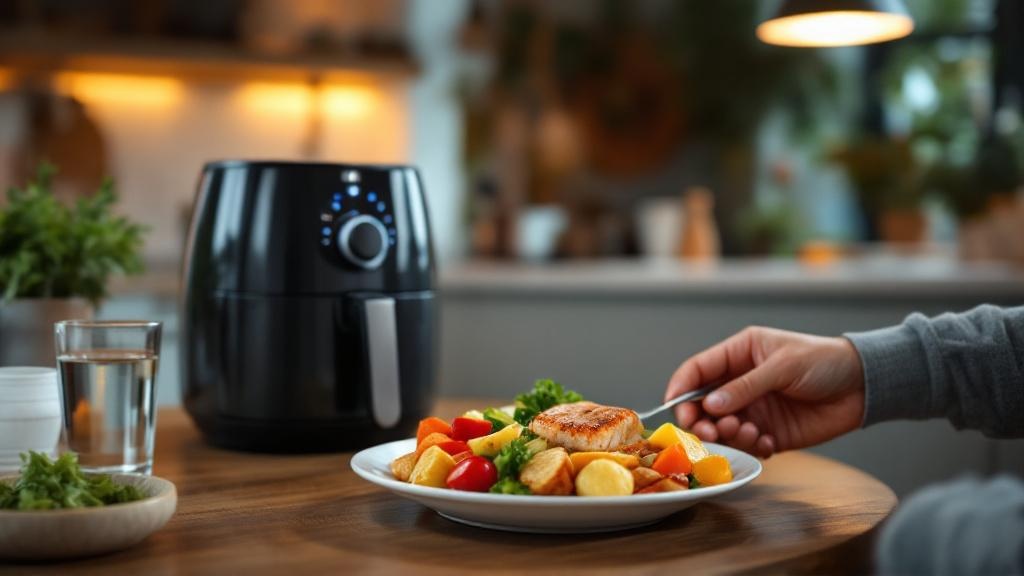
A simple, colorful air-fried dinner shows how the appliance fits into everyday routines and supports healthier eating habits.
Risk Reality
Health Risks, Acrylamide, and Myths
Air fryers do not magically turn any food into a health food. Cleveland Clinic stresses that air fryers are healthier than deep fryers, but only as healthy as what you put in them.[2] If you load yours with processed frozen snacks every night, you will not see major air fryer health benefits.
High‑heat cooking of any kind can form compounds like acrylamide, advanced glycation end products (AGEs), and other oxidation products. Healthline explains that these appear when foods, especially starchy or fatty ones, brown deeply at high temperatures. The appliance is not the problem; extreme temperature and heavy browning are.
Cleveland Clinic notes that air frying can still form acrylamide, just usually at much lower levels than deep frying. You can lower risk further by avoiding burnt spots, cooking at moderate temperatures when possible, and cutting very long cook times.
There are also concerns about non‑stick coatings or plastics. Following the manufacturer’s instructions, not overheating an empty basket, and replacing a badly scratched non‑stick tray help reduce exposure to unwanted chemicals. Choosing a model with stainless steel or ceramic components can help if you are especially cautious.
Money Saver
How Air Fryers Save You Money
From a budget angle, does an air fryer save money or just take up counter space? Energy Saving Trust analysed the cost of cooking a 600 g chicken breast and found it costs about £0.15 in an air fryer versus about £0.21 in an electric oven in Great Britain.[3] That is about 30% less for the same meal.
CNET testing suggests a standard air fryer costs about 27 cents per hour to run and uses roughly half the energy of a typical electric oven. If you cook small dinners four nights a week, shifting that hour from oven to air fryer could save roughly $50–70 per year in electricity, depending on your local rates.
Deep frying may require up to three cups of oil, while air frying often uses about one tablespoon. Even if most deep‑frying oil is not absorbed, the portion you do absorb increases fat and calorie intake and you still throw away used oil. Using a fraction of that oil every week means fewer bottles purchased and less waste.
The biggest savings often come from replacing take‑out. Swapping a $30 family order of fried chicken and fries for a $10 home‑cooked air‑fried version once per week saves about $20. Over a year, that is more than $1,000 while still enjoying a “fried” style dinner and meaningful air fryer health benefits.
Best Uses
When Air Fryers Are Not Cheapest
Air fryers shine for 1–2 people and smaller batches. Energy Saving Trust explains that for big roasts or multiple trays of food, a full‑size oven can be more cost‑effective because you cook everything at once. In that case, the oven’s higher per‑hour cost is spread across more portions.
Microwaves often beat both ovens and air fryers on pure energy efficiency for reheating and soft‑textured foods. If you just need to warm last night’s stew or steam some vegetables, the microwave is usually cheaper and faster.
Slow cookers have very low power draw over many hours, which works well for soups, stews, and pulled meats. That style of long, low‑temperature cooking does not match what an air fryer does best.
The trick is choosing by meal type. Use your air fryer for quick, crispy items, small dinners, and vegetables where you care about texture and want air fryer health benefits. Use your oven for large family trays and your microwave or slow cooker for reheats and braises.
“
The air fryer saves the most money and calories when it replaces take‑out and deep fryers, not when it replaces every cooking method you own.
Meal Patterns
Use Air Fryers for Healthier Routines
To get real air fryer health benefits, you need to change what you cook, not just the appliance. EatingWell quotes dietitians who say air fryers are healthier than deep fryers, but your overall pattern still matters more than any single gadget.[4]
Start by shifting one or two weekly take‑out nights to home‑cooked air‑fried meals. For example, replace Friday fried chicken with air‑fried chicken thighs, baby potatoes, and a tray of carrots and broccoli. You keep the “fried” feel but cut saturated fat, sodium, and cost.
Use the speed of air frying to cook more vegetables. The Brassica air‑frying antioxidant study found higher antioxidant activity in air‑fried broccoli and Brussels sprouts compared with some other heat methods. That makes crispy Brussels sprouts or broccoli a fast, tasty side that supports long‑term health.
Plan your week around simple patterns: one chicken night, one fish night, one vegetarian night, all using your air fryer with at least half the plate as vegetables. Over time, these patterns turn occasional air fryer health benefits into a consistent lifestyle shift.
Daily Use
Turn Air Fryer Health Benefits Into Habits
You can turn air fryer health benefits into everyday reality by following a few simple rules. First, base most meals on whole foods: fresh or frozen vegetables, potatoes or whole grains, and lean proteins such as chicken breast, salmon, or tofu.
Second, think “lightly coated, not drenched.” Toss chopped potatoes or vegetables in one tablespoon of oil per pan, plus salt, pepper, and herbs. Healthline highlights that this small amount of oil supports crisp texture with far fewer calories than deep frying.
Third, treat classic “fried” comfort foods as occasional treats. Air‑fried wings, mozzarella sticks, or donuts are still calorie‑dense, even if they use less fat than deep‑fried versions. Enjoy them once in a while, not every night, so your air fryer health benefits do not get buried under constant indulgence.
Fourth, use your air fryer for smarter snacking: chickpeas, lightly oiled kale chips, or seasoned tofu bites. These snacks carry protein and fiber, support air fryer weight loss goals, and cost much less than packaged chips or fast‑food sides.
Simple Swaps
Cost and Health Comparison Examples
It helps to see how these choices look in real life. Imagine a Friday night where a family of four usually orders fried chicken and fries for about $30. A comparable home‑cooked air‑fried meal might cost $12–15 in chicken, potatoes, oil, and vegetables. That is roughly $15–18 saved in one evening.
On the health side, air frying can cut fat by up to 75–80% compared with deep frying. If each person saves 150 calories at that meal, that is 600 calories less for the family in one night. Repeating that swap weekly supports steady progress on weight and heart health.
Energy‑wise, CNET’s figures show that one hour of cooking costs about 27 cents in an air fryer versus 52 cents in an electric oven.[5] If you currently use your oven four hours a week for small meals, adapting those to the air fryer could reduce yearly cooking electricity costs by around $50 while delivering the same or better texture and air fryer health benefits.
Example Cooking Method Comparison
Here is a simple snapshot of common cooking methods:
| Method | Typical Oil Used | Fat/Calories Impact | Energy Use Per Session | Health Summary |
|---|---|---|---|---|
| Deep frying | 2–3 cups | Very high | Medium | Higher fat, acrylamide |
| Air frying | 1 tablespoon | Much lower | Low | Strong air fryer health benefits |
| Oven baking | 1–2 tablespoons | Moderate | Medium–high | Generally healthy |
| Microwave | Little or none | Low | Very low | Great for reheating |
These are broad estimates, but they show why many households see both cost and health improvements when they embrace air frying for the right meals.
Step Guide
Convert Fried Meals to Air Fryer Versions
To turn a favourite fried meal into a healthier, cheaper air‑fryer version, use this simple five‑step process.
- Choose a whole‑food base Start with chicken pieces, fish fillets, tofu, or chopped potatoes instead of processed frozen items. This maximizes air fryer health benefits and gives you control over salt and additives.
- Apply minimal oil and seasoning Toss food in about one tablespoon of oil per basket, plus herbs, spices, and a light sprinkle of salt. Healthline notes this shift from cups to spoonfuls of oil is where big calorie savings appear.
- Pick moderate time and temperature Aim for 350–380°F (about 175–190°C) for most items instead of maxing out the heat. EatingWell explains that limiting over‑browning helps keep AGEs and acrylamide lower while still giving good crispness.
- Always add vegetables Fill at least half the basket or a second batch with vegetables: broccoli, carrots, Brussels sprouts, peppers, or green beans. The Brassica air‑frying antioxidant study suggests this can even boost antioxidant intake versus some other cooking methods.
- Compare cost with your usual choice Track what you spend on ingredients compared with your usual take‑out or deep‑fried option. Seeing $10 or more saved per meal makes it easier to stick with air fryer health benefits over time.
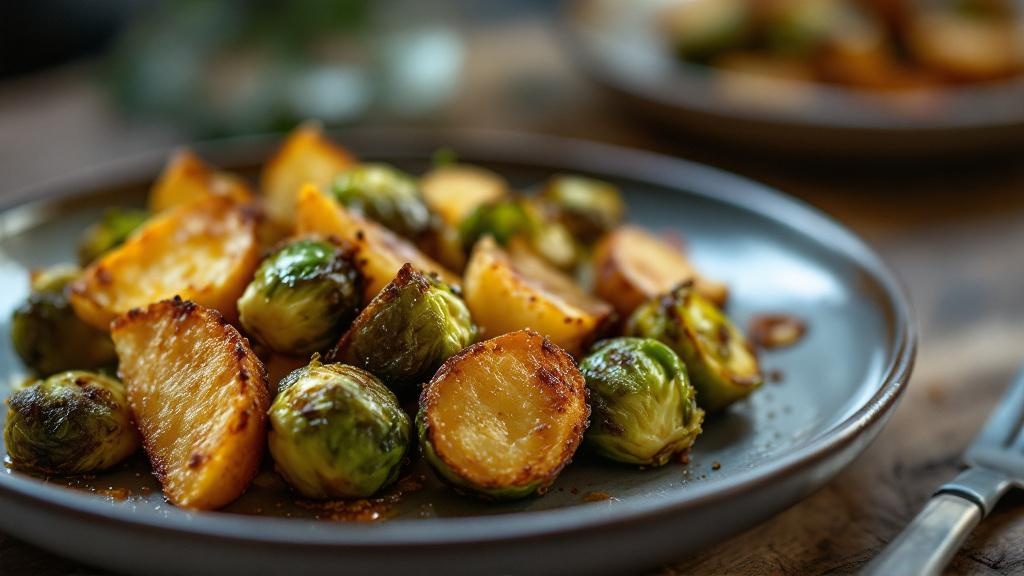
Up-close texture of crisp, tender air-fried vegetables highlights how small tweaks in technique can deliver both flavor and better nutrition.
Crispy Tips
Cooking Tips for Taste, Safety, and Savings
Good results are the bridge between theory and habit. To keep food crispy, dry ingredients well and avoid overcrowding the basket. Leaving small gaps lets hot air do its job and maximizes both flavor and air fryer health benefits by avoiding undercooked, oily patches.
Shake or flip food halfway through so edges brown evenly without burning one side. For breaded foods, a light spray of oil on top just before cooking often gives a golden finish similar to deep frying, with far less fat.
To manage high‑heat risks, EatingWell suggests limiting very dark browning to reduce AGEs. Aim for golden brown, not deep brown or blackened. Cleveland Clinic also recommends trimming off any burnt bits on fries or toast to cut acrylamide intake.
Choose high‑smoke‑point oils like avocado, canola, or refined olive oil and avoid reusing oil. Clean the basket and interior regularly to remove charred crumbs and grease, which can smoke and create off‑flavors. These simple steps keep your appliance efficient, improve taste, and support the long‑term air fryer health benefits you care about.
Are air fryers really healthier than deep frying?
Cleveland Clinic and Healthline both describe air fryers as a healthier choice than deep fryers because they use far less oil. That usually means up to 75–80% less fat and fewer calories. You still need to focus on whole foods instead of constant frozen snacks to see the full air fryer health benefits.
Can an air fryer help with weight loss?
Yes, an air fryer can support weight loss when you use it to replace deep‑fried foods and frequent take‑out. Cutting hundreds of calories per week from oil while increasing vegetables and lean protein makes a real difference over time. The appliance helps, but your overall eating pattern matters more.
How much money can I realistically save with an air fryer?
Air fryers can be around 50% more energy‑efficient than standard ovens for many small meals. Combined with swapping one weekly $25–30 take‑out order for a $10–15 home‑cooked dinner, you could save several hundred dollars per year. Your exact savings depend on local energy prices and habits.
Is it safe to use an air fryer every day?
For most people, yes. Cleveland Clinic emphasizes that the main concerns come from very browned or processed foods, not daily use of the appliance itself. If you avoid burning food, clean your basket regularly, and focus on vegetables, lean proteins, and potatoes with light oil, daily use can support air fryer health benefits.
Are air fryers bad for your heart?
Air fryers are usually better for your heart than deep fryers because they reduce fat and calories from oil. Lower fat intake can help reduce the risk of heart disease, high cholesterol, and obesity. You still need to watch salt, portion size, and overall diet quality for full heart protection.
Do air fryers destroy nutrients?
All cooking methods affect nutrients, but not always in a negative way. The Brassica air‑frying antioxidant study found that air frying some vegetables can increase total phenolic content and antioxidant activity compared with other thermal processes. That means you can gain air fryer health benefits by choosing vegetables and avoiding extreme overcooking.
Do I need an air fryer if I already have a convection oven?
A convection oven can provide similar cooking results, but usually at higher energy cost and longer preheat times for small batches. CNET and Energy Saving Trust point out that compact air fryers are more efficient for one or two portions. If you often cook large trays, your convection oven may still be the best choice for those meals.
Your Next Step
Make Your Air Fryer Work for You
An air fryer is not magic, but it is a useful tool when you care about both health and household costs. The data from Cleveland Clinic, Healthline, Hartford Hospital, Energy Saving Trust, CNET, and the Brassica air‑frying study show clear air fryer health benefits, lower fat and acrylamide levels, and real energy savings in everyday use. The impact grows when you also replace take‑out and deep‑fried foods with simple home‑cooked meals.
To test How Air Fryers Can Help You Save Money and Eat Healthier in your own life, choose one familiar “fried” meal this week and convert it using the five‑step process in this guide. Track what you spend and how you feel afterward. As you repeat that swap, you build a routine where crispy, satisfying food, better nutrition, and lower monthly bills sit on the same plate.