Guides
How to Save Car Maintenance Without Risk or Stress
Skipping a few oil changes or brake checks can feel like easy savings, until a $6,000 repair lands in your lap. AAA reports that maintenance, repairs, and tires now average 10.13 cents per mile, or about $1,013 per year for a typical new car. Learning How to Save on Car Maintenance Without Cutting Corners turns those costs into something you control, not something that surprises you.
Many drivers underestimate car expenses and then reach for the cheapest possible fix when something breaks. Shop Owner Magazine notes that drivers expect to spend about $2,738 per year on ownership costs but actually spend around $7,303. You can save car maintenance without gambling with safety, but you need a clear plan, not guesswork.
This guide gives you that plan. You will learn what maintenance you must never skip, where you can safely save, what to DIY, when to pay a professional, and how to build a realistic maintenance budget. By the end, you will know exactly how to save car maintenance without sacrificing safety, reliability, or long‑term value.
Table of Contents
- How to Save Car Maintenance Without Risk
- Understand Your Real Maintenance Costs
- Non‑Negotiable Maintenance You Never Skip
- High‑Cost Consequences of Skipping Basics
- Where You Can Safely Trim Costs
- Safe DIY vs Professional‑Only Work
- Simple At‑Home Inspection Routine
- Get Fair Estimates and Avoid Upsells
- How to Save Car Maintenance Without Stress
- Budgeting and Emergency Prep
- Fast Car Maintenance Savings Checklist
- Frequently askedquestions.
- Bringing It All Together
- Sources
Key Takeaways
- Preventive maintenance averages about $600–$1,000 per year and protects you from $5,000–$10,000 breakdowns.
- You can save car maintenance without risk by cutting waste, not safety items.
- Beginner‑friendly DIY tasks and smart driving habits reduce costs without needing deep mechanical skills.
- A simple monthly “car fund” and at‑home checks keep repairs affordable and less stressful.
- Choosing shops and parts wisely prevents both upselling and dangerous corner‑cutting.
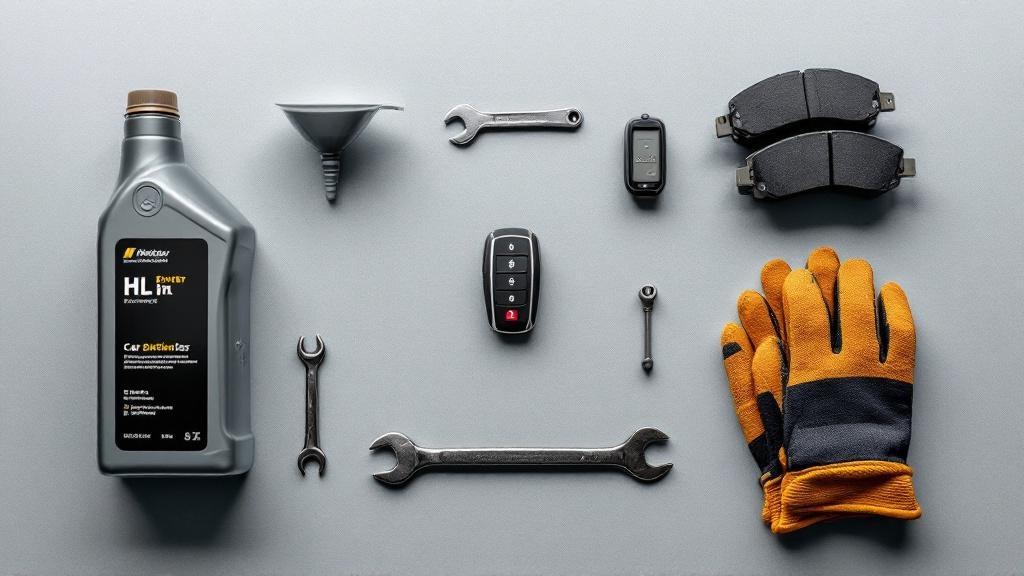
Some maintenance items are non‑negotiable. Keeping core safety components like oil, brakes, and tires in top shape is where you should never compromise.
Core Meaning
How to Save Car Maintenance Without Risk
To save car maintenance without taking risks, you need a clear line between smart frugality and dangerous shortcuts. Cutting corners means ignoring the maintenance schedule, using unsafe parts, skipping diagnostics, or driving with warning lights on. Smart saving means keeping essentials in good shape while trimming extras, timing work wisely, and doing safe DIY.
A useful mindset: maintenance is a planned expense, not an emergency. You spread smaller predictable costs over the year so you avoid big, painful repairs. That is the core of How to Save on Car Maintenance Without Cutting Corners. You protect safety‑critical systems first, then look for savings in how and where the work gets done.
Think in three tiers:
- Safety‑critical: brakes, tires, steering, suspension, engine oil, coolant, key warning lights.
- Reliability and performance: spark plugs, belts, filters, alignment, battery.
- Comfort and cosmetic: cabin filter, cosmetic bodywork, minor rattles, detailing.
You never cut corners on the first tier. You look for honest savings in the second and third tiers through better timing, parts choices, and DIY where appropriate.
True Costs
Understand Your Real Maintenance Costs
Most people underestimate what their car really costs each year. AAA Your Driving Costs data shows maintenance, repairs, and tires average about $1,013 per year for a typical new car driven 10,000 miles.[1] RefiJet reports that across brands, maintenance alone averages around $792 per year, with many owners paying $20–$100 for an oil change and $100–$300 per axle for brake pads.
Shop Owner Magazine highlights a wider issue: drivers think they spend about $2,738 a year on car costs (excluding loans), but actual spending is closer to $7,303, with maintenance around $622 per year on average. Younger drivers often spend even more, about $768–$976 per year. These gaps show why people feel blindsided and then try to save car maintenance without a real plan.
Create a simple monthly target based on your car:
- Newer (0–5 years), lower mileage: budget $50–$75 per month.
- Mid‑age (6–10 years) or moderate mileage: budget $75–$125 per month.
- Older (10+ years) or high mileage: budget $125–$175 per month.
Set up a separate “car fund” where this money goes every month. When a $500 repair appears, you pay from that fund instead of going into debt. This is one of the most reliable ways to save car maintenance without emergency stress.
Must‑Dos
Non‑Negotiable Maintenance You Never Skip
Some maintenance items are non‑negotiable if you care about safety and long‑term costs. These are the areas where you do not try to save car maintenance without proper parts and timing.
Engine oil and filter
Oil lubricates and cools your engine. Many modern cars can go 5,000–10,000 miles between changes if you use the recommended oil, but you still must follow the owner’s manual. RefiJet notes typical oil changes cost $20–$100. ConsumerAffairs reports engine replacements often cost $5,000–$10,000 or more, especially on newer vehicles.[2] Skipping oil changes to save $60 can destroy an engine.
Brakes and brake fluid
Pads usually last 25,000–60,000 miles depending on driving. Replacing pads can cost $100–$300 per axle. Ignoring grinding noises or worn pads damages rotors and increases stopping distance, which directly affects safety. Brake fluid absorbs moisture over time, so many manufacturers recommend replacing it every 2–3 years.
Cooling system
Coolant prevents overheating and protects against internal corrosion. Neglecting coolant changes can lead to overheating, warped heads, and blown head gaskets, which often cost $1,500–$3,000 to repair. A simple coolant service every few years is far cheaper.
Tires and alignment
Tires affect stopping distance, handling, and hydroplaning risk. You should monitor tread depth and age, rotate every 5,000–8,000 miles, and maintain correct pressure. A set of tires may cost $400–$1,000, but they support every movement of the car.
Warning lights
Oil pressure, temperature, brake, and charging system warnings need immediate attention. A check engine light is less urgent but never something to ignore for months. Treat warnings as “check soon or pay more later,” not “annoying lights to cover.”
Skip vs Pay
High‑Cost Consequences of Skipping Basics
You can see how trying to save car maintenance without a plan backfires when you compare routine costs to breakdown bills. This quick table shows a few examples.
| Task | Typical Cost | If You Skip | Possible Repair Cost |
|---|---|---|---|
| Oil change | $50–$100 | Engine wear/Failure | $5,000–$10,000+ |
| Brake pads | $150–$300 | Rotor damage/Crash | $400–$1,500+ |
| Coolant service | $120–$250 | Overheating/Headgsk | $1,500–$3,000+ |
| Tire rotation | $30–$80 | Uneven tire wear | $400–$1,000 set |
| Transmission fluid | $150–$300 | Slipping/Failure | $3,000–$6,000+ |
ConsumerAffairs reports that engine replacements often cost $5,000–$10,000+, transmissions $3,000–$6,000, and major EV battery replacements $4,000–$18,000. A driver who skipped coolant service, for example, may save $200 across a few years, then pay $2,000 when a head gasket fails.
Contrast that with a driver who changes oil and coolant on schedule, replaces brakes before metal‑on‑metal grinding, and rotates tires. That driver spreads smaller bills over time and is far more likely to reach 200,000+ miles without major failures. That is what it looks like to save car maintenance without compromising reliability.
Smart Savings
Where You Can Safely Trim Costs
To save car maintenance without harming your vehicle, you focus on timing, parts quality, and avoiding unnecessary extras, not on skipping essentials.
Some maintenance can be flexed a bit:
- Cabin air filter: Often easy to access, typically every 15,000–30,000 miles. A slightly dirty one is a comfort issue, not a safety risk. You can often buy a quality filter online for $15–$25 and install it yourself instead of paying $60–$120 at a shop.
- Spark plugs: Many modern engines use long‑life iridium plugs rated for 60,000–100,000 miles. Do not push past the limit, but you can time replacement when it is convenient and combine with other services.
- Cosmetic items: Small dents, minor trim pieces, or faded paint can usually wait if money is tight.
Synthetic oil is another smart choice in many cars. When your owner’s manual allows longer intervals with synthetic, you might pay $20–$40 more per change but go longer between services. Over a year, that can help you save car maintenance without raising risk, as long as you still follow the approved interval.
Always read your owner’s manual first. It tells you the absolute limits. Within those, you adjust timing and shop selection to match your budget, instead of blindly saying “yes” or “no” to every suggestion.
DIY Levels
Safe DIY vs Professional‑Only Work
A big part of how you save car maintenance without risk is choosing the right tasks to do yourself. Think in three levels.
Beginner‑friendly DIY (low risk, low tools)
Most drivers can safely learn:
- Checking and adjusting tire pressure.
- Replacing wiper blades.
- Replacing engine air filters and cabin air filters on many cars.
- Cleaning battery terminals.
- Checking fluid levels (oil, coolant reservoir, brake, washer fluid).
Use your owner’s manual and reputable video tutorials to confirm locations and procedures.[3] These tasks often save $20–$60 each time compared with shop prices.
Intermediate DIY (only if you are comfortable)
If you have basic tools and are willing to follow detailed instructions, some owners successfully handle:
- Brake pads on simple, non‑performance setups.
- Spark plugs where access is straightforward.
- Simple sensors or parts in easy‑to‑reach areas.
Here the savings can be $150–$400 per job, but mistakes are more expensive. If you are unsure, it is safer to pay a trusted shop than to learn on your primary vehicle’s brakes.
Professional‑only work
Some tasks always stay with professionals:
- Brake hydraulic work (lines, calipers, ABS modules).
- Timing belts or timing chains.
- Transmission repair or fluid service on sealed units.
- Airbag and safety restraint systems.
- High‑voltage work on hybrids and EVs.
Trying to save car maintenance without respecting these boundaries risks both safety and huge repair bills.
“
The best way to save on maintenance is to avoid bad decisions, not to avoid basic service.
Monthly Checks
Simple At‑Home Inspection Routine
A quick monthly inspection lets you save car maintenance without surprises. It takes about 15–20 minutes and can catch problems before they become larger repairs.
Use this step‑by‑step process:
- Walkaround check Look at each tire for low pressure, bulges, or uneven wear. Check lights: headlights, brake lights, turn signals, and reverse lights. Listen for new noises when you roll the car a few feet.
- Under‑hood basics With the engine cool, open the hood. Check engine oil level with the dipstick, looking at both level and color. Check coolant level in the reservoir, not by opening the radiator cap. Glance at brake fluid, power steering (if applicable), and washer fluid levels.
- Tire pressure check Use a simple gauge. Compare with the recommended pressures on the driver’s door jamb sticker, not the tire sidewall. According to Virginia Credit Union, properly inflated tires can save up to $112 per year in fuel, which helps you save car maintenance without changing how you drive.[4]
- Cabin check Test the parking brake, listen for grinding when braking, and note any unusual smells like burning or fuel.
Write down anything odd and mention it to your mechanic at the next visit. Catching issues early can turn a $50 fix into a non‑event instead of a $500 repair.
Shop Skills
Get Fair Estimates and Avoid Upsells
You also save car maintenance without stress by dealing smartly with repair shops. Two habits matter most: getting clear estimates and asking good questions.
When you receive an estimate:
- Ask for a written, line‑item breakdown: parts, labor, shop fees, and taxes.
- Ask, “Which items are safety‑critical, and which are preventative or optional?”
- Ask, “What happens if I wait on the preventative items, and for how long is that safe?”
- If the bill is over $300, get a second estimate from another reputable shop.
Use these questions in person or by phone. A good shop will answer directly, show you worn parts, and explain why work is needed. If a shop refuses to explain or pressures you fast, that is a warning sign.
On parts, OEM (original equipment) is often preferred for safety items like airbags, critical sensors, and some brake components. Quality aftermarket parts can be fine for many items like filters, some suspension parts, and non‑critical electronics. RefiJet notes that choosing parts wisely is one of the easier ways to reduce long‑term maintenance costs.
Ask the shop, “What brand of part are you using, and is there a quality aftermarket alternative?” This keeps you in control and helps you save car maintenance without accepting the cheapest unknown parts.
Smart Habits
How to Save Car Maintenance Without Stress
Your driving habits quietly control a big share of your costs. This is an area where you can save car maintenance without touching a wrench.
Gentle driving extends brake and tire life. Hard acceleration and late braking wear pads and tires faster and waste fuel. If you leave a bit earlier and keep a steady pace, you often gain thousands of extra miles before replacements.
Tire pressure is another habit anchor. As Virginia Credit Union explains, correct inflation improves fuel economy and tire life. If you save $112 a year on fuel and stretch a tire set by 5,000–10,000 miles, that alone can equal $200–$300 in value every year or two.
Also consider:
- Removing heavy, unused items from the trunk.
- Combining errands into one trip instead of several cold starts.
- Avoiding extended idling when parked.
These changes cost nothing to start, yet they support everything else you do to save car maintenance without risky shortcuts.
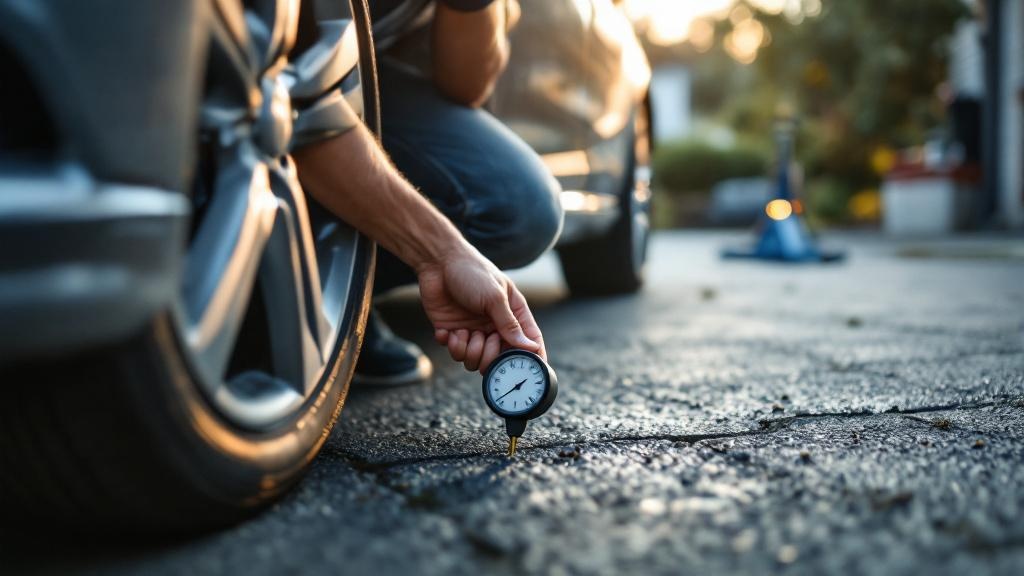
Simple DIY checks like monitoring tire pressure are safe, high‑value ways to cut costs, while more complex work can stay in a pro’s hands.
Planning Ahead
Budgeting and Emergency Prep
Good planning is what turns “I hope my car holds up” into “I can handle what comes.” This is how you structure your budget so you save car maintenance without feeling cornered by every new noise.
Use a simple rule of thumb based on age and use:
- 0–5 years old, typical use: $50–$75 per month.
- 6–10 years old, or frequent short trips: $75–$125 per month.
- 10+ years old, high mileage, or harsh climate: $125–$175 per month.
Keep this money in a separate savings bucket labeled “Car Maintenance and Repairs.” If you can, build it up to at least $1,000–$1,500 as an emergency buffer. ConsumerAffairs data on engine, transmission, and EV battery costs shows why this cushion matters when a $600–$1,200 repair appears unexpectedly.
Track your service history with a simple folder or notes app. Log dates, mileage, work done, and shop used. This record helps your mechanic spot patterns, keeps you from repeating work, and supports resale value when you sell the car.
Over a full year, combine this budgeting approach with smart DIY, safer driving, and disciplined shop choices. Many owners find they save hundreds of dollars while still following best‑practice maintenance schedules. That is the practical version of How to Save on Car Maintenance Without Cutting Corners in real life.
Quick List
Fast Car Maintenance Savings Checklist
Use this quick checklist as a one‑page snapshot of how to save car maintenance without losing control of safety.
Every month
- Check tire pressures and adjust to door‑sticker spec.
- Inspect tires for uneven wear or damage.
- Check oil and coolant levels when the engine is cool.
- Confirm all lights work and listen for new noises.
Every 6–12 months
- Change engine oil on schedule.
- Rotate tires and visually inspect brakes.
- Check wiper blades and washer fluid.
- Review your maintenance fund balance and adjust your monthly contribution.
Every year (or as manual states)
- Full inspection by a trusted shop.
- Brake fluid and coolant checked, replaced as needed.
- Cabin and engine air filters inspected and replaced if dirty.
- Alignment checked if you notice pulling or uneven tire wear.
Combine this checklist with your owner’s manual intervals, and you have a simple framework to save car maintenance without skipping anything essential.
What’s the biggest mistake people make trying to save on maintenance?
The biggest mistake is skipping safety‑critical maintenance like oil changes, brakes, and coolant to save short‑term cash. That often leads to major repairs like engines, transmissions, or head gaskets that cost thousands of dollars. A better approach is to save car maintenance without touching these essentials and instead trim costs on where and how the work gets done.
Is it really cheaper to do my own car maintenance?
Some tasks are clearly cheaper to do yourself. Beginner jobs like air filters, wiper blades, and tire pressure checks can save $20–$60 per visit and require minimal tools. But if you mis‑do complex jobs like brakes or timing components, you can create bigger repair bills. You save car maintenance without regret when you stick to safe DIY levels and leave high‑risk systems to professionals.
How often should I change my oil if I use synthetic?
Follow your owner’s manual first. Many modern cars with synthetic oil list intervals between 7,500 and 10,000 miles, while older or severe‑use cars may still need 5,000‑mile changes. RefiJet notes that an oil change usually costs $20–$100, which is cheap insurance next to a $5,000+ engine. Synthetic oil lets you save car maintenance without extra risk only when you respect the manufacturer’s interval.
Are cheap parts safe, or should I always buy OEM?
Cheap, no‑name parts can be risky, especially for brakes, steering, suspension, and safety systems. OEM or high‑quality aftermarket brands are usually worth the extra money for those components. For less critical items like cabin filters or some cosmetic pieces, quality aftermarket is often fine. To save car maintenance without sacrificing safety, focus on trusted brands, not just the lowest price.
How long can I drive with a warning light on?
Red lights like oil pressure, temperature, or brake warnings usually mean you should stop driving immediately and get help. A flashing check engine light also demands quick attention. A steady check engine light often gives you some time, but you should still schedule diagnosis soon. Driving for weeks with warning lights on is the opposite of trying to save car maintenance without danger.
Is an extended warranty worth it for saving on maintenance?
Extended warranties mainly cover repairs, not routine maintenance like oil changes and brakes. Whether they are worth it depends on the contract, your car’s reliability history, and your risk tolerance. Building a strong maintenance and repair fund often gives you more flexibility to save car maintenance without paying for coverage you may never use.
Your Next Step
Bringing It All Together
Learning How to Save on Car Maintenance Without Cutting Corners is about structure, not magic tricks. You decide where you can safely save, focus on the non‑negotiable basics, and support everything with a realistic budget and simple at‑home checks. Data from AAA, Shop Owner Magazine, RefiJet, ConsumerAffairs, and Virginia Credit Union all point in the same direction: steady preventive maintenance is cheaper than major repairs.
Start by setting a monthly car fund and doing a 15‑minute inspection this week. Then choose one or two beginner DIY tasks to learn, and commit to asking better questions at your next shop visit. Over time, these habits let you save car maintenance without fear, keep your vehicle reliable longer, and free up more of your budget for things you actually enjoy.