Shopping
Boost Video Game Trade Value on Games and Consoles
Ever looked at a trade‑in quote and thought, “There’s no way my console is worth that little”? With US households spending about $449 a year on gaming gear, according to Exploding Topics, leaving money on the counter adds up fast. Understanding video game trade value turns that frustration into a plan.
Retailers, online buyers, and marketplaces all price your games and consoles differently. Some pay quickly but less, others pay more but need effort and patience. At the same time, Gameopedia notes that 91% of game revenue went digital in 2020, which quietly changes the future of physical trade‑ins.
This guide shows you How to Get the Most Value When Trading In Video Games and Consoles without needing to become a reseller. You’ll see how video game trade value is calculated, compare where to trade or sell, follow a prep checklist, time your trades, and use simple playbooks for real‑world scenarios.
Table of Contents
- How Video Game Trade Value Works
- What Drives Console Trade In Value
- What Affects Video Game Trade Value for Discs
- Maximize Video Game Trade Value by Channel
- Trade In vs Sell: Channel Comparison
- Trade In vs Sell Outright
- Checklist to Boost Video Game Trade Value
- When to Trade for the Best Return
- Smart Bundling and Negotiation
- Store Credit, Promotions, and Stacking Deals
- Scenario Playbooks for Fast Decisions
- Frequently askedquestions.
- Conclusion: Turn Trade‑Ins Into Real Savings
- Sources
Key Takeaways
- Physical games and consoles lose value fast; knowing typical percentages helps you judge any offer.
- For many items, big‑box stores pay least but fastest, while marketplaces pay most but need work.
- Clean hardware, full accessories, and smart bundles can lift video game trade value by 10–30%.
- Timing around new releases, holidays, and console cycles often matters as much as condition.
- Store credit, promos, and stacking cashback with Oodlz and your card can beat cash in real value.
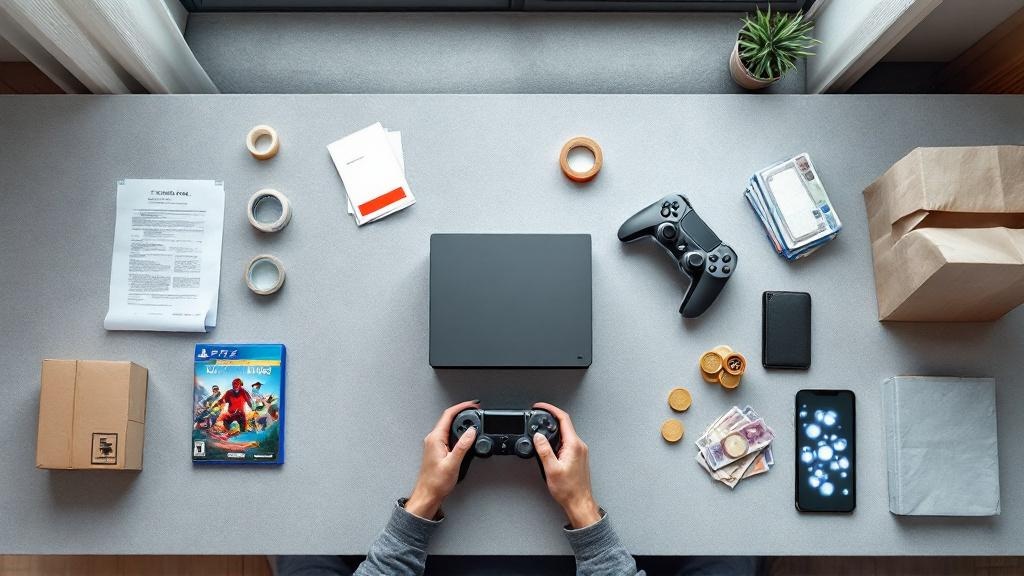
Different paths for your console and games—retail, online, local, or marketplace—each offer a unique mix of value, effort, and risk.
Value Basics
How Video Game Trade Value Works
Video game trade value is the amount a store or platform will pay for your used game or console, usually as cash or store credit. That number is always lower than what they expect to resell it for. They need margin to cover overhead, testing, returns, and profit.
Even a recent popular title often trades for about half what you paid, while older games can drop to just a few dollars. That trade‑in price also reflects how much similar stock they already hold and how quickly the item sells.
For both games and consoles, several factors drive video game trade value:
- Condition (cosmetic and functional)
- Age and rarity
- Demand and current inventory levels
- Completeness (cables, controllers, cases, manuals)
- Platform trends, especially digital vs physical
Statista puts the global video game market near $400 billion, with Exploding Topics noting about $59.3 billion in US spending alone.[1] With 2.87 billion gamers worldwide, there’s always supply and demand shifting. When a title or console floods the used market, video game trade value falls, even if it’s still a good product.
Digital distribution made up 91% of industry revenue in 2020. Physical game audiences shrink over time, but scarcity can help certain retro and collector titles. That’s why you might see a sports game from three years ago worth almost nothing, while a niche GameCube RPG sells for serious money.
Console Factors
What Drives Console Trade In Value
Console trade in value starts with the basics: generation, model, and storage. A current‑gen PS5, Xbox Series X|S, or Nintendo Switch almost always beats older systems, and higher‑storage models usually price better. Special or limited editions can outpace standard designs, especially boxed and in good shape.
Condition splits into cosmetic and functional. Cosmetic issues like scratches, scuffs, or yellowing plastics hurt offers, but functional problems crush console trade in value. A flawless system that boots quickly, reads discs or cartridges, and runs quietly is far easier to resell than a noisy, dusty unit that crashes.
Accessories matter more than many people expect. A console with:
- Original power cable and HDMI
- At least one official controller
- Dock (for Switch)
- Original box and inserts
Can be worth 10–25% more than a bare console. Stores know buyers pay more for “complete” bundles, and private buyers often filter listings for full sets.
Privacy can also affect where you feel safe trading. Before you worry about offers, always:
- Deactivate the console as your primary system
- Remove payment methods and log out of accounts
- Perform a factory reset so your data is gone
Treat this as non‑negotiable, especially if kids’ accounts and saved cards are on the system.
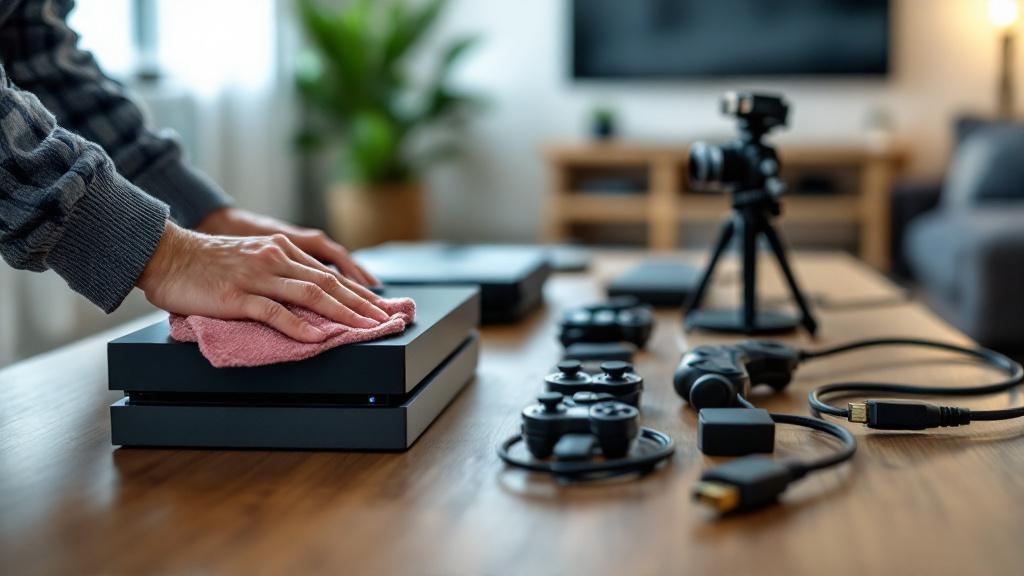
A quick cleaning, full accessory bundle, and clear photos can noticeably boost what buyers are willing to pay for your console.
Game Factors
What Affects Video Game Trade Value for Discs
For physical games, video game trade value leans heavily on condition and demand. Scratched discs, cracked cases, missing cover art, or lost manuals all push offers down. Clean discs in original cases are easier for any buyer to price and resell confidently.
Demand breaks into three groups:
- Evergreen franchises (Mario, Zelda, Pokémon, Grand Theft Auto)
- Standard AAA titles with a normal tail
- Disposable or annualized games (yearly sports series)
Evergreen and cult titles often hold used video game resale value much longer. Obsolete sports entries or forgotten shooters can drop to $1–$3 trade‑in, even if you paid $60 at launch. ABC News notes that many older games return just a few dollars even in good shape.
Timing plays a big role. For new releases, the first few weeks after you finish the game usually deliver the highest video game trade value. As price cuts, sales, and digital discounts appear, demand for physical copies softens. When a “Game of the Year” version arrives or the franchise releases a sequel, last year’s entry often drops sharply.
Retro and niche games behave differently.[2] Gameopedia points out that physical production runs are smaller as digital dominates, so some discs and cartridges become scarce. Niche JRPGs, shmups, and certain Nintendo titles can see their used video game resale value climb over time, especially if they never had a digital re‑release.
Channel Choice
Maximize Video Game Trade Value by Channel
Where you trade or sell often matters as much as what you trade. Each channel sets video game trade value differently because their costs, risks, and customers differ. Think in terms of a spectrum: more convenience usually means less money.
You can group options into four main types:
- Big‑box chains and national game retailers
- Online buyback and trade‑in sites
- Local independent game stores
- Peer‑to‑peer marketplaces and auction sites
Based on consumer‑advice ranges and store behaviors, here is a rough expectation for many common items:
- Big‑box cash offers: about 10–25% of likely resale price
- Big‑box store credit: about 20–40% of likely resale price
- Online buyback: similar or slightly higher than big‑box, often credit‑focused
- Marketplaces (priced well): about 50–70% of current resale value, sometimes more for in‑demand items
The important point is not chasing every last dollar blindly. Instead, match the channel to your priorities: fast vs high payout, low risk vs high control. When you understand these ranges, you can look at a quote and decide if that video game trade value is “good enough” for your situation.
“
You get the best result when your channel choice matches your goals, not someone else’s idea of “maximum value.”
Channel Table
Trade In vs Sell: Channel Comparison
To see those differences clearly, compare channels on value, effort, risk, and payment type. Remember, these are general patterns. A rare Nintendo title on a retro‑focused local shop shelf might beat your marketplace listing if the store knows its audience well.
Here is a simple framework to evaluate options for any game or console:
| Channel Type | Typical Value Level | Effort Required | Risk Level | Common Payment |
|---|---|---|---|---|
| Big‑Box Retailers | Low–Medium | Very Low | Very Low | Cash, Store Credit |
| Online Buyback Sites | Medium | Low–Medium | Low | Check, Gift Card |
| Local Game Stores | Medium | Low–Medium | Low–Medium | Cash, Store Credit |
| Marketplaces/Auction | High | High | Medium–High | Cash, Digital Pay |
In practice, that means:
- If you want highest cash and can spare time, marketplaces usually win on video game trade value.
- If you want a quick, safe trade, chains or online buyback sites are fine, especially with promos.
- If you care about community and retro knowledge, local shops often understand niche value best.
Always compare at least two options for any higher‑value item like a current‑gen console or collector’s edition game before accepting a quote.
Trade Choice
Trade In vs Sell Outright
The trade in vs sell used games question boils down to money vs convenience. Trade‑ins are faster, simpler, and safer. Outright sales usually pay more but demand listing, messaging, and sometimes awkward meet‑ups.
For trade‑ins:
- You accept lower video game trade value
- You avoid dealing with no‑shows and scammers
- You get instant cash or credit, often on the same day
For selling outright:
- You capture more of the used video game resale value
- You control pricing and can wait for better offers
- You take on more work and some personal risk
Good times to accept lower value via trade‑in:
- You have a big stack of common titles you just want gone
- You’re uncomfortable meeting strangers from marketplace apps
- You’re trading toward a new console or big purchase and can stack store promotions
Better times to sell individually:
- Rare retro games or limited editions
- High‑demand current‑gen titles within a few months of release
- Consoles with extra controllers or accessories that buyers will pay a premium for
If your time is tight, remember that an extra $30–$40 might not be worth several hours of listing, messaging, and shipping.
Prep Steps
Checklist to Boost Video Game Trade Value
Good preparation can move your console or game up a condition tier and add real dollars. Use this step‑by‑step checklist before you trade or sell anything.
For consoles (PS5, Xbox, Switch, retro):
- Back up saves and data
- Use cloud saves or external storage where available
- Deactivate and sign out
- Remove it as your primary/home console
- Sign out of all user accounts
- Wipe personal data
- Perform a factory reset through system settings
- Clean thoroughly
- Dust vents with compressed air
- Wipe surfaces with a soft, slightly damp cloth
- Clean controllers, especially grips and thumbsticks
- Assemble a complete bundle
- Console, power cable, HDMI, controllers, dock (Switch), and any included extras
- Box and manuals if you still have them
- Test everything
- Boot to home screen
- Check discs or cartridges load
- Confirm Wi‑Fi, controller pairing, and ports work
For games:
- Match each disc to the correct case
- Wipe discs from center outward with a microfiber cloth
- Remove stickers and residue from cases where possible
- Group low‑value games into themed bundles (sports, kids’ titles, one platform)
These steps can easily raise your video game trade value by 10–30% compared with bringing in dusty, incomplete gear. Clean, complete, and tested items are easier for everyone to trust.

Where and when you trade in matters—shop demand, new releases, and promotions all shape how much your games and consoles are worth.
Timing Tips
When to Trade for the Best Return
Timing affects video game trade value almost as much as condition. The earlier you move on many items, the better.
For new games:
- Trade or sell within 2–6 weeks of finishing
- Avoid waiting until major discounts or “complete editions” hit
- Watch for holiday markdowns or subscription service additions that kill used demand
For consoles:
- Trade before a big price cut, mid‑gen refresh, or next‑gen announcement
- Watch platform news; when a new model leaks or is revealed, old console trade in value typically starts sliding
- Consider selling a generation early if you know you’ll upgrade on day one
Seasonal demand matters too. Many families buy consoles and games around Black Friday and December holidays. That often lifts both used video game resale value and the generosity of trade‑in promotions. Exploding Topics notes that home consoles bring in about $51.9 billion yearly, so demand spikes around gift‑giving seasons are significant.[3]
For retro and collector items, patience can pay. As digital distribution grows and print runs shrink, some physical titles become harder to find. Gameopedia explains that digital dominance hurts many basic discs but can help rare physical releases, especially when they never see a digital version.
Bundles & Haggling
Smart Bundling and Negotiation
Bundling is a powerful way to raise total video game trade value, especially in private sales. Buyers love ready‑to‑play setups and themed lots.
Good bundling strategies:
- Console + 2–4 popular games + extra controller
- Series bundles (three Zelda titles, full Mass Effect trilogy)
- Age‑group bundles (family‑friendly Switch set, teen‑rated PS5 pack)
For marketplaces, bundles reduce shipping and messaging overhead. Instead of selling ten $10 games, you might sell one $70 lot and save time. For low‑value titles, bundling is often the only way to make them worth listing at all.
When dealing with local stores:
- Look up rough marketplace prices first so you know your ceiling
- Bring everything clean, tested, and organized
- Ask how they rated condition and whether full accessories raise the offer
Stay calm and factual. If you see a big gap between your expectations and their quote, it is fine to say, “Thanks, I’ll think about it.” Walking away keeps options open and may lead you to a better video game trade value elsewhere.
Cash vs Credit
Store Credit, Promotions, and Stacking Deals
Many chains and local stores pay more in store credit than in cash.[4] That higher number can be genuine value if you already buy games, accessories, or consoles there. ABC News points out that bonus credit offers, especially around new releases, can lift effective video game trade value noticeably.
Typical extras include:
- +10% trade‑in value for members
- Extra credit when trading toward a preorder or new console
- Tiered bonuses for bringing multiple items in one batch
Cash is still king if you need flexibility. But if you know you will buy another game soon, store credit can effectively out‑earn cash by 10–25%, especially during stacked promos.
This is where cashback tools matter. When you take store credit, then pay for your new purchase using a rewards credit card plus Oodlz for extra cashback, your net benefit improves again. Turning a $50 credit into a $50 purchase that also gives you, say, 5% total cashback is smarter than it looks at first glance.
Quick Playbooks
Scenario Playbooks for Fast Decisions
To make this practical, use simple playbooks that combine channel, timing, and prep. This is where How to Get the Most Value When Trading In Video Games and Consoles turns into clear actions.
Max Cash for PS5/Switch in 30 Days
- Clean and fully prep the console, including all original accessories
- Check recent sold prices on major marketplaces for your exact model
- List at 5–10% below the typical sold price for a quick sale
- Offer one popular game or extra controller as a bundle sweetener
- If it has not sold in two weeks, drop price slightly or cross‑list on another platform
Big Closet, Want It Gone, But Not for Pennies
- Sort games into three piles: valuable, mid‑range, and low‑value commons
- Sell the few clearly valuable or rare titles individually on marketplaces
- Bundle mid‑range and low‑value games into themed lots and list locally
- Whatever does not move after a month, trade in during a store promo period
Easiest Upgrade Path With Decent Value
- Watch for retailer promos adding bonus credit toward new consoles
- Factory reset and clean current console, include at least one controller
- Accept a solid store credit offer rather than chasing every last dollar
- Use Oodlz and your rewards card when you pay the remaining balance on the new system
These scenarios give you a starting template. Adjust them based on your tolerance for effort and your target video game trade value.
How is video game trade value calculated?
Stores look at current resale price, demand, condition, and inventory. They pay a fraction of what they expect to sell the item for, leaving room for costs, returns, and profit. Premiums go to clean, complete, in‑demand games and consoles.
Is it better to trade in or sell used games?
For common games and big stacks, trade‑ins are usually easier and safer. For rare, recent, or evergreen titles, selling directly on marketplaces often yields higher video game trade value if you are willing to do the extra work.
Can I trade in broken or faulty consoles?
Some shops and online buyers accept faulty consoles for parts at much lower prices. Expect offers well below functional console trade in value. Always describe issues honestly so your offer is not reduced or canceled after inspection.
Do I need original boxes and receipts?
You usually do not need receipts. Original boxes, inserts, and manuals are optional but helpful. They make your console or game look “complete” and can lift perceived condition, especially in private sales and retro‑focused stores.
What if a store downgrades the condition after inspection?
Ask why they graded it lower and whether specific flaws drove the change. If you disagree, you can decline the offer and take your items elsewhere. Getting a second quote helps you understand how different stores see your video game trade value.
How long do trade‑in quotes usually stay valid?
Many online buyback sites and some chains give quotes that last from a few days up to a couple of weeks. Because prices move with demand and new releases, always check the time limit and ship or visit before the quote expires.
Your Next Move
Conclusion: Turn Trade‑Ins Into Real Savings
The gaming market is huge and fast‑moving, which means prices never stay still for long. By understanding how stores think, how digital trends reshape demand, and how condition, timing, and channel affect video game trade value, you move from guessing to making informed money choices.
Use this playbook the next time you clear a shelf or plan an upgrade. Apply the prep checklist, compare at least two channels, and pick the scenario that matches your time, risk comfort, and cash needs. To stretch every dollar further, consider taking strong store credit offers, then stacking your rewards card with Oodlz cashback on the new purchase. That approach is How to Get the Most Value When Trading In Video Games and Consoles in everyday, real‑world terms.