Health
Health Tracking Devices 2026 Guide: 5 Key Facts
Wearable tech is everywhere, but the real question is simple: Is investing in health tracking devices worth the cost? You might know friends who swear their smartwatch changed their life, and others who abandoned theirs in a drawer after two weeks. With prices climbing and subscriptions becoming standard, guessing is expensive.
About one in five Americans regularly use a smartwatch or fitness tracker, according to Pew Research Center data cited by CU Anschutz Medical Campus.[3] At the same time, experts warn about accuracy limits, privacy issues, and rising anxiety around step counts and sleep scores. The decision is no longer just “Do I want one?” It is “Will this help my health enough to justify the money and trade‑offs?”
This guide gives you a clear, evidence‑based answer. You will learn how health tracking devices work, what research says about their benefits and drawbacks, and how mental health and privacy fit into the picture. By the end, you will have a step‑by‑step framework to decide if a health tracking device is worth it for you, at your budget, with your goals.
Table of Contents
- What Health Trackers Actually Do
- How Well Health Trackers Work
- Do Trackers Improve Health?
- Why People Find Trackers Helpful
- Costs, Risks, and When They Backfire
- Is a Tracker Worth It for You?
- Decide in 20 Minutes: A Simple Process
- Mental Health and Privacy Safeguards
- Picking the Right Kind of Device
- Using Your Tracker Effectively
- Frequently askedquestions.
- Bottom Line: When Trackers Are Worth It
- Sources
Key Takeaways
- Fitness tracker value depends on your goals, behavior, mental health, privacy comfort, and budget.
- Research shows trackers increase steps and activity, but long‑term weight and disease changes are modest.
- Accuracy varies: steps and heart rate are decent; calories and sleep stages are often unreliable.
- Hidden costs include subscriptions, anxiety, obsession, and data‑sharing risks.
- Many people do well with lower‑cost options like smartphone apps or basic pedometers.
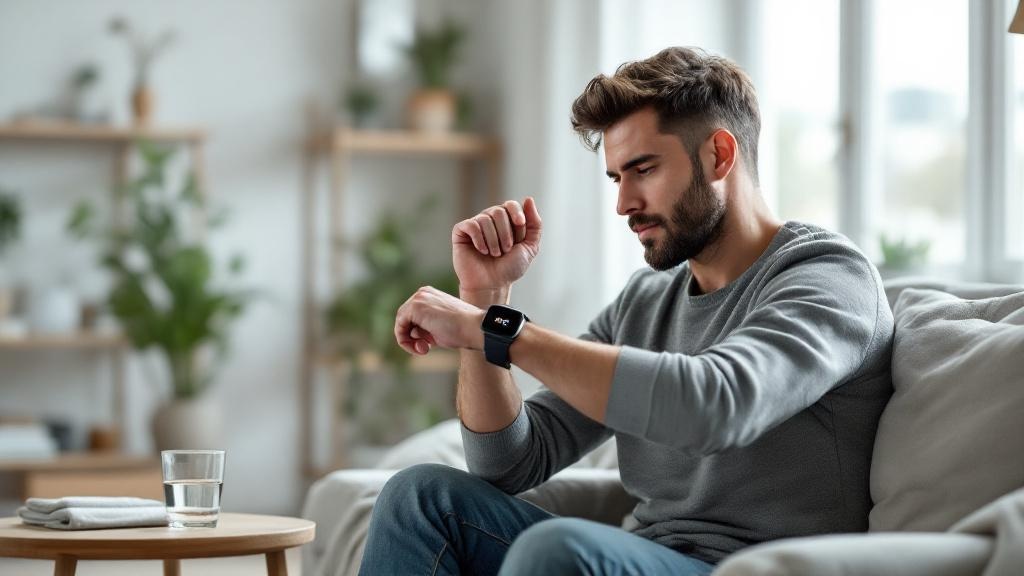
Many people pause at this moment of reflection, wondering whether their smartwatch is a helpful health coach or just another costly gadget.
Basics First
What Health Trackers Actually Do
To decide if health tracking devices are worth it, you need to know what they really measure. Most consumer devices fall into four groups: fitness bands, smartwatches, smart rings, and more medical‑style monitors like chest straps or blood pressure cuffs. All of them use built‑in sensors to turn movement and body signals into numbers and charts on your phone.
Typical metrics include step count, heart rate, activity intensity, calories burned, and sleep duration. More advanced models estimate heart rate variability (HRV), VO₂ max (a fitness measure), and “stress” or “readiness” scores. Some smartwatches also offer ECG‑like rhythm checks and irregular heartbeat alerts, which can be useful for some heart conditions when interpreted with a clinician.
The key point: most of these are consumer wellness tools, not formal medical devices. Harvard Health Publishing explains that wearables can help guide safer workouts, but they do not replace blood tests, medical‑grade heart monitors, or a physical exam.[2] Used well, they give you patterns and reminders. Used poorly, they can give false reassurance or unnecessary scares.
Think of a health tracker as a digital diary with built‑in nudges. You sit for nine hours, sleep six hours, and barely move on weekends. That awareness alone is powerful. But it does not change anything until you use those insights to adjust habits, routines, or treatment plans.
Evidence Check
How Well Health Trackers Work
When you ask whether fitness trackers are worth it, accuracy and evidence are central. In a review of 121 studies with about 17,000 mostly healthy adults, wearing activity monitors was linked to around 1,235 extra steps per day and 49 more minutes of moderate‑to‑vigorous physical activity per week. That is a meaningful bump in movement, especially for people starting from a low activity baseline.
For step counts and general activity levels, most modern devices perform fairly well. CU Anschutz Medical Campus notes that wearables are usually good at detecting relative changes: you can trust that 7,000 steps is more than 4,000, even if the exact number is slightly off. Heart rate at rest and during moderate exercise is also reasonably accurate on many devices, though readings can vary more at very high intensities or with darker tattoos or loose straps.
Calories burned are a different story. No major consumer tracker accurately estimated calorie burn within 20 percent of gold‑standard measurements. That margin means a device might say you burned 600 calories when you actually used 450 or 750. Using these numbers to “earn” food or guide strict dieting can easily backfire.
Sleep tracking is mixed. Many devices estimate total sleep time fairly well, but they often misclassify exact sleep stages compared with a formal sleep study. The practical takeaway: use sleep data to notice patterns, like “I sleep less on work nights,” rather than obsess over whether you got 18 percent deep sleep.

The real investment in a health tracker includes both the upfront price and the quiet, ongoing decisions about how you spend your health budget.
Real Impact
Do Trackers Improve Health?
The next layer of “are fitness trackers worth it” is whether they change health, not just steps. A systematic review and meta‑analysis in JMIR mHealth and uHealth found that consumer wearable activity trackers increase physical activity in the short to medium term across many populations. People moved more, sat less, and often reported better fitness.
Harvard Health Publishing highlights that the extra daily steps and weekly minutes of moderate‑to‑vigorous activity seen in studies are associated with better heart health and lower risk of cardiovascular events over time.[1] Even modest activity gains can matter for blood pressure, blood sugar control, and mood, especially in people who were previously sedentary.
Weight loss and cardiometabolic markers (like cholesterol) show more modest and variable changes. Some trials see a small benefit with trackers, especially when combined with coaching, diet changes, or structured programs. Others find little long‑term difference once the novelty wears off. The devices raise awareness and can nudge behavior, but they are not standalone weight loss tools.
Clinical centers such as CU Anschutz Medical Campus and Harvard Health Publishing emphasize that wearables work best when integrated into a broader plan. For example, a cardiac rehab patient might use heart rate feedback to stay in a safe training zone, while their care team adjusts medication. An office worker may pair step goals with scheduled walking breaks and a friend who joins them. The device is the prompt, not the entire solution.
Clear Benefits
Why People Find Trackers Helpful
Many people see clear fitness tracker benefits, especially when starting a new routine. A simple example: a sedentary office worker averages 2,000 steps per day without noticing. After wearing a tracker, they set a goal of 4,000 steps, then 6,000. Within two months, lunchtime walks and evening strolls become automatic. The numbers were the spark that rewired daily habits.
Health tracking devices can support heart health when used wisely. Harvard Health Publishing notes that for some people with hypertension or heart disease, monitoring heart rate and workout intensity can keep exercise in a safe, effective range. Watching how quickly your heart rate recovers after a brisk walk, for instance, can show improving fitness over time.
Trackers also shine for building awareness of sleep and sedentary time. Many users are surprised to learn they sit more than nine hours daily. Gentle reminders to stand or move each hour can counter this, even when you do not have time for a full workout. Pattern recognition is the real value: seeing that you sleep better on nights without late‑night screens, or that steps crater every Sunday, gives you clear levers to pull.
Social features add motivation for some personalities. Step challenges with friends, family leaderboards, or streak badges tap into friendly competition. For people who enjoy gamification, closing rings or hitting streaks offers a small daily reward that keeps them engaged long enough for habits to stick.
“
A health tracker is most valuable when it quietly supports habits you already care about, not when it becomes another source of pressure.
Hidden Downsides
Costs, Risks, and When They Backfire
When you weigh health tracking devices pros and cons, hidden costs matter as much as headline features.[4] Financially, a basic fitness band often costs around $100, according to Fortune Business Insights market analysis. Popular smartwatches and smart rings can range from about $200 to $400 or more. On top of that, many now charge subscription fees of roughly $5 to $20 per month for advanced metrics or coaching. Over three years, that can add up to $280 to $820 or higher, depending on your choices.
Accuracy issues can also create problems. Because calorie estimates are often off by more than 20 percent, relying on them for precise eating decisions can stall weight loss or fuel binge‑and‑restrict cycles. Sleep scores can prompt unnecessary worry when they label a normal night as “poor.” Some people begin chasing perfect numbers instead of listening to their actual energy, hunger, and mood.
Mental health risks deserve serious attention. CU Anschutz Medical Campus notes that people with a history of eating disorders, obsessive‑compulsive tendencies, or anxiety can feel worse when they constantly monitor steps, calories, or heart rate. One common pattern: checking stats dozens of times per day, feeling guilty when goals are missed, or forcing exercise while exhausted or injured. Another is spiraling worry about small heart rate changes that are actually normal.
Privacy is another key piece of fitness tracker pros and cons. Many devices collect continuous data on your heart rate, location, sleep, and daily routines. That information often sits on company servers, where it may be shared with third parties for analytics or marketing. Because these are usually consumer tools, not medical records, they are often outside strict health privacy laws like HIPAA in the United States. That means different rules for how your data can be stored, analyzed, and sold, depending on the company and its policies.
Smart Decision
Is a Tracker Worth It for You?
To turn “are fitness trackers worth it” into a personal answer, it helps to look at common tools side by side. This simple table compares broad categories, not specific brands:
| Tool Type | Upfront Cost | Typical Subscription | Key Metrics Tracked | Mental Health Risk | Privacy Risk |
|---|---|---|---|---|---|
| No Device | $0 | $0 | None | Very low | Very low |
| Smartphone App | Free–$20 | Often optional | Steps, basic activity | Low–medium | Medium |
| Basic Band | About $50–$150 | Rare or low | Steps, HR, sleep time | Medium | Medium–high |
| Smartwatch | About $150–$500 | Sometimes $5–$20/mo | Many health metrics | Medium–high | High |
| Smart Ring | About $200–$500 | Sometimes $5–$20/mo | Sleep, HR, readiness | Medium | High |
For a sedentary office worker without major medical or mental health issues, a low‑ to mid‑priced band or smartwatch can be a good investment if you will use it daily. A smartphone app may be enough if money is tight. For a middle‑aged adult with hypertension, a tracker that shows heart rate and intensity zones can support safer progress, especially when discussed with a clinician.
A recreational runner who loves data might benefit from advanced metrics such as VO₂ max and HRV trends, but only if they stay grounded and do not chase every fluctuation. In contrast, someone recovering from an eating disorder or managing severe anxiety might be better off without any step or calorie tracking unless their therapist and care team are directly involved. For privacy‑sensitive people, a basic pedometer or offline heart rate monitor can offer useful feedback without constant data uploads.
Buying Steps
Decide in 20 Minutes: A Simple Process
You can make a clear decision about whether health tracking devices are worth it in about 20 minutes. Work through these five steps honestly, and write down your answers.
- Clarify your top one or two health goals. Examples: “walk more and lower blood pressure,” “sleep better,” or “train for a 10K.” If the goal is vague, like “get healthier,” try to turn it into one concrete behavior you want to change.
- Check your risk factors. Note any history of anxiety, OCD, eating disorders, body image issues, or strong privacy worries. If these are present, consider talking with a clinician or therapist before buying a tracker, or choose the simplest tool with the fewest numbers.
- Decide your realistic budget. Include both upfront cost and possible subscription for at least one year. Ask yourself: “If I stopped using this in three months, would I regret spending this amount?” If yes, lower the budget or delay the purchase.
- Choose your device type based on your goals. For basic movement awareness, a smartphone app or simple band usually works. For heart‑rate‑based training or cardiac rehab, a device known for reliable heart rate or a chest strap paired with an app can be helpful. For deep sleep and readiness scores, a ring or advanced watch might appeal, but remember their limits.
- Set a 4–6 week experiment plan. Decide exactly how you will use the tracker during this trial: “I will check my steps twice a day, aim for 1,000 extra steps, and review my weekly trends every Sunday.” Mark a review date six weeks out to decide whether to keep using it, adjust your approach, or stop.

When used thoughtfully, wearables can nudge small daily choices—like one more lap around the park—that add up to meaningful health gains.
Safer Use
Mental Health and Privacy Safeguards
Even when health tracking devices are worth it on paper, they can become harmful if they trigger obsession. Warning signs include feeling anxious if you forget your device, exercising only to close rings, ignoring pain or fatigue to hit numbers, or checking stats compulsively. Another red flag is letting a poor sleep score ruin your day even when you feel fine.
If you notice these patterns, try scaling back. That could mean turning off calorie tracking, hiding step counts, or only checking numbers once per day. Some people do better focusing on one metric, like daily movement time, instead of juggling steps, HRV, and sleep stages. If distress remains high, consider a “data break” for a few weeks, and discuss the issue with a therapist or clinician. Tracking should support your well‑being, not erode it.
Privacy safeguards are just as important in any analysis of fitness tracker benefits and drawbacks. Start by reviewing your device’s privacy settings. Turn off location sharing you do not need, limit data sharing with third parties, and decline social features that broadcast your workouts or routes. Use strong passwords and two‑factor authentication on your accounts to cut hacking risk.
Read the company’s data policy with a specific question in mind: “Who can see my health data, for what purposes, and for how long?” If the answers feel uncomfortable, consider a different device, a lower‑tech tool, or just your smartphone. You can still gain many of the benefits of a health tracker without streaming your entire life to a server.
Tool Matching
Picking the Right Kind of Device
Once you decide that a health tracking device is worth it for you, the next step is matching the tool to your life. Start with your primary goal. If your priority is simply moving more, a basic band or even a step‑counting app is usually enough. Paying extra for ECGs and advanced training metrics rarely adds value if you will not use them.
If heart‑safe exercise is your focus, such as after a cardiac event or with known heart disease, look for devices with clear heart rate displays, customizable zones, and comfortable wear during longer sessions. Harvard Health Publishing notes that staying in moderate intensity ranges can be safer and more sustainable for many people than pushing into high intensity daily. A simple device that you actually wear beats a feature‑packed gadget that feels bulky.
For sleep and recovery, prioritize comfort and battery life. If you hate sleeping with a watch, a soft band or ring might make more sense. Just remember that sleep stages are estimates, not medical diagnoses. Use them to support experiments like earlier bedtimes, not to judge yourself every morning.
Finally, consider ecosystem and subscription cost. Some tools give you most health features without ongoing fees, while others lock advanced metrics behind monthly payments. Over three years, a lower upfront price plus a subscription can cost more than a mid‑range device with no recurring charges. Run the numbers before committing.
Stepping back from constant scores and metrics can turn a tracker from a source of pressure into a calm, optional tool for insight.
Better Habits
Using Your Tracker Effectively
To get real value from health tracking devices, focus on behavior, not on chasing perfect metrics. Set process‑based, realistic goals, such as “add 1,000 steps per day for four weeks” or “walk for 20 minutes after dinner three times per week.” Studies summarized by Harvard the extra 1,200 steps and 49 minutes of weekly activity seen with trackers are achievable when goals are gradual and consistent.
Look at trends, not single days. A bad night of sleep or a low‑step day is expected. What matters is your weekly or monthly pattern. If your average steps rose from 3,000 to 5,500 this month, that is progress worth celebrating. If your resting heart rate trends down over three months, that may reflect improved fitness, assuming no other health issues.
Pair your device with simple habit strategies. Habit stacking (linking a new behavior to an existing one) works well: “When I make coffee, I walk in place until it finishes,” or “After lunch, I walk around the block while checking messages.” Use reminders sparingly so they stay meaningful. Too many buzzes and badges can lead to alert fatigue.
Always bring concerning data to a clinician, not to search results alone. New palpitations, very high resting heart rate, or unusually low heart rate readings deserve professional evaluation. Health tracking devices can flag patterns, but only a medical professional can diagnose and treat conditions safely.
Do fitness trackers actually improve health outcomes?
Wearable activity trackers increase physical activity in the short to medium term.[5] Harvard Health Publishing reports gains of about 1,235 extra steps per day and 49 more minutes of weekly moderate‑to‑vigorous activity. These changes are linked to better heart health and fitness, especially for previously inactive people, but they are not guaranteed cures for weight or chronic diseases.
How accurate are calorie and sleep measurements?
Studies discussed by Los Angeles Times and other academic sources find that consumer devices often miss true calorie burn by more than 20 percent. Sleep estimates are better for total time asleep than for precise stages like REM or deep sleep. Treat these numbers as rough guides and trend indicators, not as exact lab‑quality data.
Can a health tracker replace medical devices or doctor visits?
No. CU Anschutz Medical Campus and Harvard Health Publishing both emphasize that wearables are helpful tools, not replacements for medical judgement. They can complement blood pressure cuffs, glucose meters, and clinical heart monitors, but they cannot diagnose conditions on their own. Always bring unusual readings or symptoms to a clinician.
Are health tracking devices safe if I have an anxiety or eating disorder?
They can be risky. Constant monitoring of steps, calories, or heart rate can intensify obsessive thoughts, guilt, or body image distress. Many clinicians advise avoiding detailed tracking during recovery from eating disorders or when OCD and anxiety are active. If you are unsure, discuss it with your therapist or doctor before using a tracker.
What are low‑cost alternatives to expensive wearables?
You have several options. Free or low‑cost smartphone apps can track steps and basic movement using your phone’s sensors. A simple clip‑on pedometer costs far less than a smartwatch and avoids data‑sharing issues. You can also track habits manually with a notebook, such as recording daily walk minutes and bedtime, which still builds awareness and progress.
How should I think about cost versus value for a tracker?
Add the device price plus at least one year of any subscription. Then ask what specific health changes you realistically expect and how likely you are to use the tool daily. If you can afford it, have a clear plan, and the device supports goals like moving more or rehabbing safely, it may be worth it. If money is tight or you mainly feel curious, start with free or cheaper options first.
Your Verdict
Bottom Line: When Trackers Are Worth It
So, Is Investing in Health Tracking Devices Worth the Cost? For many people, yes, but only when the device fits clear goals, a realistic budget, and a healthy mindset. The strongest evidence says wearables help you move more and can support better heart health, especially if you build sustainable routines around the data.
They are not worth it if you expect passive weight loss, if subscription fees strain your finances, or if tracking worsens anxiety, body image, or privacy stress. The smartest approach is to treat any new device as a 4–6 week experiment with specific habits you want to test.
If you choose to buy, focus on features you will actually use, keep an eye on mental health signals, and review your experience every few months. That same intentional mindset applies to your money: pairing thoughtful spending with tools like Oodlz can help you get more value from everyday purchases while you invest in your health on your own terms.