Travel
Checked Bag Fees Next Flight 10 Step Guide 2026 Travel
U.S. airlines earned more than $7.27 billion from checked bag fees in 2024, according to CBS News using Bureau of Transportation Statistics data. Those “junk fees” are baked into most trips now, especially if you travel as a family or bring bulky gear.
This guide shows you How to Avoid Checked Bag Fees and Pack Smarter for Your Next Flight with a simple, realistic system. You’ll see when it makes sense to change airlines or fares, when to keep checking bags but pay less, and how to pack so a single carry-on actually works for your trip.
You do not need to become a minimalist backpacker. You just need a clear plan that matches how often you fly, who you travel with, and how much you truly need to bring.
Table of Contents
Key Takeaways
- Airline baggage fees are designed to grow, so you need a strategy before you book.
- Most travelers can avoid checked bag fees on 1–2 week trips with smarter packing and the right bags.
- For must-check situations, airline cards, fare upgrades, and early payment can cut costs significantly.
- Families and budget-airline trips need extra planning, but the right mix of shared bags and carry-ons still saves.
Gliding past the check-in line with just a carry-on captures the payoff of smart packing and fee-savvy planning long before you reach the gate.
Quick Wins
Quick Answers to Bag Fees
If you only have a few minutes, start here. These fast tactics help you immediately avoid checked bag fees or at least shrink them:
- Fly airlines that include at least one free checked bag or generous carry-on policies on your route.
- Book main cabin instead of basic economy when the fare difference is less than the cost of a checked bag.
- Use a card that offers a free first checked bag for you and companions on the same reservation.
- Aim for carry-on only on trips up to 10–14 days with a tight packing list and the right bag.
- Pay baggage fees online during booking or check-in, not at the airport counter.
- Share checked bags within a family instead of paying for several half-empty suitcases.
- Weigh and measure bags at home to avoid surprise oversized or overweight baggage fees.
- Consider shipping luggage when it’s very heavy, bulky, or includes sports equipment.
- Volunteer to gate-check a compliant carry-on when the flight is full, so you check for free.
- Learn each airline’s specific rules so you can avoid checked bag fees with better planning, not just guesswork.
“
The easiest way to avoid checked bag fees is to decide your baggage strategy before you book, then pack to match it.
Step 1
Understand Airline Baggage Fees
To avoid checked bag fees consistently, you need a clear picture of what airlines actually charge for. Think in four categories: personal item, carry-on, checked bag, and oversized/overweight.
A personal item is usually a small backpack, tote, or laptop bag that fits under the seat. A carry-on fits in the overhead bin and must meet stricter size and sometimes weight limits. Budget carriers often charge more for a carry-on than a checked bag, so knowing the distinction is critical.
Checked bags travel in the hold and incur per-bag, per-direction fees. Oversized or overweight baggage fees stack on top and can cost more than the ticket itself on some routes.
Personal Item vs Carry-On Basics
Most U.S. full-service airlines let you bring:
- One personal item free.
- One standard carry-on free on most fares (basic economy is the main exception).
Budget carriers or ultra-low-cost airlines may:
- Charge for any bag beyond a small personal item.
- Use smaller size boxes and strict weight limits.
Knowing your airline’s personal item vs carry-on size rules in advance is one of the simplest ways to avoid checked bag fees and surprise charges at the gate.
Typical Checked Bag Pricing
The Points Guy baggage fee roundups show that major U.S. airlines often charge:
- First checked bag: about $35–$40 each way.
- Second checked bag: roughly $45–$60 each way.
- Third or additional bags: often $150 or more each way.
Overweight baggage fees (for example, 51–70 lbs) can add $100–$200 each way. Oversized baggage fees for large sports gear or instruments can be even higher. That is why shipping luggage or renting gear at your destination sometimes costs less.
Why Fees Vary by Trip
Airline baggage fees depend on:
- Route (domestic vs international).
- Fare class (basic economy vs standard economy vs premium).
- Loyalty status and co-branded cards.
- Special items like strollers, car seats, or medical gear.
Statista data shows U.S. baggage fee revenue has climbed from $0.29 billion in 2004 to several billions today. Policies change often, so always confirm current baggage rules on the airline’s site before booking.
Step 2
Choose Your Trip Strategy
Once you understand the rules, choose a strategy tailored to your situation instead of guessing how to avoid baggage fees at the airport.
Here is a simple four-step flow you can apply to any trip:
- Check rules and your profile
- Airline options, bag fees, and carry-on limits for your route.
- Trip length, climate, and activities.
- How many people travel with you and who really needs a checked bag.
- Pick a primary anti-fee path
- Strategy A: You will check at least one bag, but want to pay less.
- Strategy B: You’ll go carry-on only and avoid checked bag fees entirely.
- Build your packing list to match
- If you choose carry-on only, create a one-week “wash and repeat” capsule wardrobe.
- If you’ll check, consolidate items into the fewest bags and avoid overweight baggage fees.
- Double-check at home and at the airport
- Weigh and measure bags.
- Prepay any unavoidable checked bags online.
- Keep one small personal item for essentials in case a carry-on is gate-checked.
Scenario Examples and Best Strategy
- Solo traveler NYC–LAX 2x/year If you usually bring one medium suitcase, compare paying $35–$40 per trip ($140–$160/year) with a card that offers a free checked bag and costs about $95/year. A card can pay for itself if you stay loyal to one airline, but learning carry-on only packing might save even more.
- Family of 4 going to Orlando Four separate checked bags at $40 each way is about $320 roundtrip. A better move is two shared checked bags plus four solid carry-ons and personal items, or a co-branded card that covers free bags for companions on the same reservation.
- Long-haul traveler with sports gear Oversized ski or golf bags can trigger high fees. Compare shipping luggage vs checked bag charges on your airline’s site and a luggage-shipping service. CNET has highlighted cases where shipping heavy sports gear is cheaper and more reliable than airline fees.

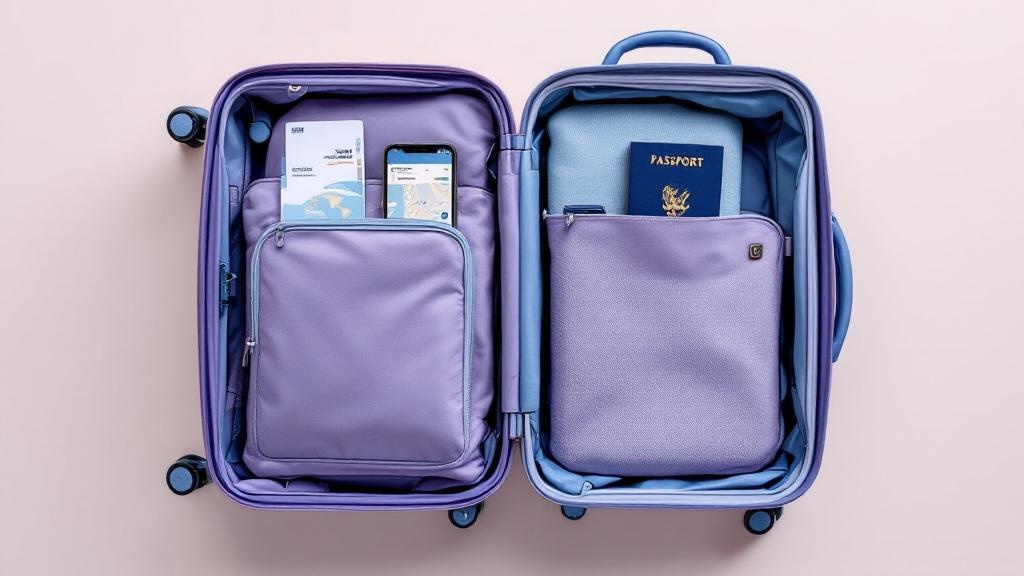
A carefully packed carry-on—cubes, layers, and compact essentials—shows how a full trip can fit into one cabin bag and sidestep checked luggage fees.
Strategy A
Reduce Fees While Checking
Sometimes you simply cannot avoid checked bags: medical equipment, travel with babies, long winter trips, or bulky sports gear. Strategy A helps you avoid checked bag fees where possible and pay less when you must check.
Choose Airlines with Better Baggage Policies
Some airlines still include at least one free checked bag on many international routes or in premium cabins. Others are known for friendlier baggage policies on domestic flights.
When you compare ticket prices, add the cost of your likely bags. A slightly higher fare on an airline that offers one free checked bag can be cheaper overall than a bare-bones fare plus multiple baggage fees on a budget carrier.
Use Fare Classes Strategically
Basic economy fares often:
- Exclude standard carry-on or charge more for it.
- Offer no free checked bags.
Main cabin or standard economy sometimes costs only $40–$80 more roundtrip, but can include a free carry-on and lower change fees. If that difference is less than what you would pay in checked bag fees, upgrading the fare is an easy way to avoid checked bag fees for the same trip.
Leverage Free Checked Bag Credit Cards
Many airline credit cards offer:
- First checked bag free for the cardholder on that airline.
- Free checked bags for several companions on the same reservation.
Here is a simple break-even example:
- First checked bag fee: $40 each way.
- Two roundtrips per year, two travelers, one bag each.
- Annual bag cost without a card: 2 trips × 2 ways × 2 people × $40 = $320.
- Typical card annual fee: about $95.
You pay $95 instead of $320, saving about $225 in a year, plus you might get priority boarding and other perks. This is a strong option if you often fly one airline, but less useful if you choose the cheapest carrier every time.
Compare Major Tactics at a Glance
Below is a quick comparison of common strategies people use to cut baggage costs:
| Tactic | Best for | Savings potential | Trade-offs |
|---|---|---|---|
| Airline choice | Flexible travelers | Medium–High | Limited routes, schedule |
| Free bag credit card | Loyal flyers | High | Annual fee, one airline |
| Elite status | Very frequent travelers | High | Time to earn, loyalty lock |
| Fare upgrade | Occasional flyers | Medium | Higher base fare |
| Shipping luggage | Heavy/bulky items | Medium–High | Planning, delivery timing |
| Carry-on only | Light to medium packers | High | Packing discipline needed |
This table highlights why carry-on only is such a powerful way to avoid checked bag fees, but also shows when other tactics might fit your situation better.
Earn or Piggyback on Elite Status
Elite status often includes free checked bags and higher weight limits. Realistically, this path works best if:
- You fly at least several times per year with the same airline group.
- You can route trips through their hubs without big cost penalties.
Family members sometimes benefit when traveling on the same reservation, “piggybacking” on one traveler’s status. But if you only fly once or twice a year, chasing status mainly for baggage perks rarely pays off.
Use Exemptions and Pay Early
Many airlines offer:
- Free checked bags for active-duty military.
- Free or discounted bags for certain sports gear or items purchased from partner wineries or resorts.
AFAR notes that paying baggage fees online during booking or online check-in is often cheaper than paying at the counter. Paying early also lets you see costs clearly and adjust your packing if needed.
Shipping Luggage vs Checked Bag
Shipping luggage becomes attractive when:
- Your bag is near or over 50 lbs.
- You travel with skis, golf clubs, or other long, bulky items.
- You want to avoid carrying heavy bags through the airport and transit.
Compare total costs: airline checked fee plus potential overweight baggage fees vs a shipping service’s door-to-door quote. Factor in timing and reliability. For valuable gear, shipping with tracking and insurance can be worth the extra planning.
Strategy B
Pack Carry-On Only
Carrying everything on the plane is the most reliable way to avoid checked bag fees once you understand airline rules. Condé Nast Traveler cites OnePoll research showing that 65% of Americans find packing more stressful than the trip itself and about 25% of what they pack goes unused. That is a lot of wasted weight.
Travel experts like those at Never Ending Voyage and Condé Nast Traveler consistently show that most 1–2 week trips fit easily into one carry-on plus a personal item with the right approach.
Know Your Carry-On Rules
Before you plan how to avoid baggage fees with carry-on only, look up:
- Maximum carry-on size (often around 22 x 14 x 9 inches in the U.S.).
- Carry-on weight limits, especially on international and budget airlines.
- Personal item dimensions and any “one bag only” restrictions.
Budget airline baggage fees can be harsh if your bag is even slightly over their limits. Lines like Ryanair, Spirit, and Frontier are known for strict enforcement and charging more at the gate than online, so measuring and weighing your bags matters.
Pick the Right Bag Combo
A smart combo for most travelers:
- One overhead-size rolling suitcase or structured backpack.
- One underseat personal item (daypack, slim duffel, or tote).
Look for:
- Lightweight frame to preserve your weight allowance.
- Squared corners for better internal space.
- External pockets for quick-access items (documents, chargers, snacks).
Your personal item can handle dense, heavy items like electronics and liquids within TSA liquids 3-1-1 rules, reducing weight pressure on your main carry-on.
Build a One-Week Capsule Wardrobe
Instead of packing for 14 days, pack for 7 and plan to do laundry once. A simple travel capsule wardrobe for 7–10 days in mild or mixed weather might look like:
- 3–4 T-shirts or tops.
- 2 casual button-downs or blouses.
- 2 pairs of pants or jeans.
- 1 pair of lightweight travel pants or leggings.
- 1–2 dresses or skirts (optional).
- 1 light sweater or cardigan.
- 1 packable jacket or shell.
- 5–7 pairs of underwear and socks.
- 2 pairs of shoes (one worn on the plane).
Choose neutral colors that mix and match easily. According to Condé Nast Traveler, long-term travelers often wear the same favorite pieces far more than they use “extras,” so prioritize comfort and versatility over variety.
Use Packing Cubes and Compression
Packing cubes for carry-on use help:
- Organize clothes by type (tops, bottoms, underwear).
- Compress soft items slightly to fit more efficiently.
- Make security or gate checks less stressful because your bag is tidy.
Compression cubes can save even more space, but do not overfill them or you may tip into overweight baggage fees on airlines that weigh carry-ons.
Quietly checking a bag’s weight before the counter captures that last small move that can prevent surprise overweight fees at the airport.
Packing List
Carry-On Packing Blueprint
This carry-on packing checklist is designed to support a carry-on only plan for about one week, with laundry once for longer trips. Adjust quantities for shorter or longer stays, but resist adding “just in case” items.
Clothing Checklist
- [ ] 3–4 casual tops
- [ ] 2 smart tops or blouses
- [ ] 2 pairs pants or jeans
- [ ] 1 pair lightweight travel pants or leggings
- [ ] 1–2 dresses/skirts (optional)
- [ ] 1 light sweater or hoodie
- [ ] 1 compact jacket (rain or warmth as needed)
- [ ] 5–7 pairs underwear
- [ ] 5–7 pairs socks
- [ ] 1–2 sleepwear sets
- [ ] 1 swimsuit (if needed)
- [ ] 2 pairs shoes (comfortable sneakers + dressier or sandals)
Wear your bulkiest shoes and jacket on the plane to save space and avoid checked bag fees.
Toiletries and Health
Remember TSA liquids 3-1-1 rules for carry-ons:
- Liquids, gels, and aerosols must be in containers of 3.4 oz (100 ml) or less.
- All containers must fit inside a single quart-size, clear, resealable bag.
Pack:
- [ ] Travel-size toothpaste, moisturizer, sunscreen.
- [ ] Solid toiletries where possible (bar soap, shampoo bar, deodorant stick).
- [ ] Medications in original containers in your personal item.
- [ ] Small hairbrush or comb.
- [ ] Minimal makeup kit.
Keeping toiletries compact and compliant helps you avoid gate checks if security flags your bag.
Tech and Essentials
Use your personal item for dense, valuable items:
- [ ] Phone, e-reader, or tablet
- [ ] Laptop (if needed for this trip)
- [ ] Charging cables and compact power strip
- [ ] Headphones or earbuds
- [ ] Passport/ID and printed or digital boarding passes
- [ ] Wallet with travel cards and some cash
- [ ] Travel insurance details if applicable
- [ ] Pen and small notebook
Distribute weight so your carry-on stays within limits but you still avoid checked bag fees by keeping the rest on your person.
Simple Bag Organization Blueprint
Inside your carry-on:
- Bottom layer: shoes (stuffed with socks), packing cube with pants, heavier items.
- Middle layer: tops cube, underwear and socks cube.
- Top layer: toiletries bag, light jacket, spare outfit in case of spills.
In your personal item:
- Essentials pouch (wallet, passport, phone, medications).
- Tech pouch with chargers and adapters.
- Small snack bag and empty water bottle to fill after security.
This structure keeps your bags efficient and makes it much easier to comply with airline rules.
Smart Hacks
Space-Saving Packing Tips
Even with a solid list, how you pack matters. Smart packing habits improve comfort and help you avoid checked bag fees or last-minute gate-check surprises.
- Wear your bulkiest layers on the plane: sneakers or boots, jeans, and jacket save space in your bag.
- Roll, then stack: rolling soft items inside cubes often wastes less space than folding.
- Use “dead space”: fill shoes with socks, belts, or small chargers.
- Limit souvenirs: plan to bring back small, packable items or budget for shipping home.
- Weigh your bag at home: a small luggage scale costs far less than one overweight baggage fee.
Condé Nast Traveler notes that many travelers overpack by at least 25%. Try packing once, then removing 20–30% of the “maybe” items. Your back and your budget will thank you.
Special Cases
Families, Budgets, and Long Trips
Some trips are more complex than a simple carry-on only weekend. Here is how to refine your approach without giving up on trying to avoid checked bag fees altogether.
Families with Kids
For families, the goal is not zero checked bags. It is fewer, smarter bags.
- Share large checked bags: two big checked suitcases for a family of four often beat four smaller ones.
- Give older kids their own small carry-on and backpack.
- Use packing cubes by person so outfits stay organized even when sharing bags.
- Remember that strollers and car seats may check for free on many airlines, but still confirm in advance.
Family packing tips for flights focus on consolidating bulky items and using personal items for diapers, snacks, and spare clothes, so you do not need extra bags.
Budget Airlines with Strict Rules
Budget airline baggage fees can be especially confusing because:
- Carry-on often costs as much or more than checked bags.
- Prices rise the closer you get to the airport (booking < online check-in < airport gate).
- Size boxes are small and agents are strict.
To avoid checked bag fees and extra charges on budget carriers:
- Buy the right bag allowance at booking, not at the airport.
- Measure your bag and test it in a homemade “sizer” (cardboard or tape on the floor) before you leave.
- Keep your personal item genuinely small and soft so it fits under the seat.
AFAR emphasizes that careful measuring and prepaying are two of the most effective tools for avoiding nasty surprises here.
Long Trips and Special Gear
For trips longer than two weeks or those involving sports gear:
- Think in “modules”: carry-on with essentials and a minimal wardrobe, plus one shared or shipped bag with bulky gear.
- Plan for laundry every 5–7 days instead of packing 21 days of clothes.
- For skis, boards, or golf clubs, compare shipping vs oversized baggage fees before you commit.
You can still reduce or avoid checked bag fees by limiting bags that the airline handles, even if you cannot avoid them entirely.
Airport Moves
Last-Minute Fee Tactics
Even with planning, you might arrive at the airport and discover your bag is heavier or bulkier than expected. A few quick moves help you avoid checked bag fees or at least minimize them.
- Check weight before the counter: use a handheld luggage scale at home and again near the check-in area if needed.
- Repack strategically: if your bag is just over the limit, move heavy items (jeans, chargers, books) into your personal item or wear a layer.
- Volunteer gate-checking: if you have a compliant carry-on but overhead bins are full, gate-checking is usually free and saves you from paying at the counter.
- Ask about options if flagged: sometimes paying for a slightly smaller bag or checking one shared bag can be cheaper than multiple small surcharges.
According to AFAR and CNET, overweight baggage fees often deliver the worst value. If you must pay, it is usually better to add another checked bag or remove items rather than push a single suitcase over the limit.
Is it cheaper to pay for bags or get a credit card?
For a traveler who flies the same airline a few times a year, a card with a free checked bag often wins. If you would otherwise spend $160–$320 a year on baggage and the card costs around $95, you come out ahead. If you rarely check bags or switch airlines frequently, paying as you go can be cheaper.
Can I bring both a backpack and a suitcase as carry-on?
On many major U.S. airlines, yes: one carry-on plus one personal item is standard. Budget airlines may only include a small personal item for free and charge for any larger bag, including a backpack, so always check your specific airline’s rules to avoid checked bag fees or unexpected carry-on charges.
What happens if my bag is slightly oversized?
If your bag clearly does not fit in the sizer or must be forced, gate agents can require you to check it and pay the fee, sometimes at a higher “airport” rate. A soft-sided bag that is only a little puffy usually passes, but you should not rely on luck. Measuring at home is more reliable than hoping your bag will squeeze in.
Is shipping really cheaper than checking a bag?
Sometimes. Shipping heavy or oversized items like skis, golf clubs, or large boxes can cost less than combined checked plus overweight baggage fees, especially on budget carriers or international routes. You also gain tracking and can avoid hauling the bag through airports, but you must plan ahead and allow extra delivery time.
Can I put AirTags or other trackers in checked bags?
Yes, many travelers use AirTags or similar Bluetooth trackers in checked bags so they can see if the bag made it onto the plane or is stuck somewhere. The airline still controls delivery, but a tracker gives you better information if a bag is delayed or misrouted.
How do I avoid checked bag fees with a family?
Focus on consolidating and planning rather than going completely bag-free. Share large checked bags, give each person a personal item, and put heavier items in adults’ carry-ons. Check whether an airline card can cover free checked bags for multiple travelers on the same reservation, and pack a tight carry-on list so you do not pay for half-empty suitcases.
Your Strategy
Conclusion and Next Steps
Airline baggage fees are not going away. According to CBS News and Bureau of Transportation Statistics data, U.S. airlines now earn over $7 billion a year from them, and trends suggest further increases. The good news is that you control your own strategy.
By choosing between a smarter checked-bag approach (Strategy A) and a carry-on only plan (Strategy B), you can decide in advance how to Avoid Checked Bag Fees on each trip. Then you pack with intention: a focused capsule wardrobe, measured bags, and clear rules for what gets checked, carried, or shipped.
When you book flights, combine your baggage plan with other money-saving tools like airline cards, smart fare choices, and cashback platforms such as Oodlz. That way, every part of your trip—from how you pay to how you pack—works together to support How to Avoid Checked Bag Fees and Pack Smarter for Your Next Flight, not against it.