Money
Silver as Investment: A Practical Guide for Savers
Wondering if silver belongs alongside your 401(k), IRA, or savings account? You are not alone. Search interest in Is Silver a Good Investment? What Savers Should Consider has surged as inflation, market swings, and metals ads raise new questions for savers. Many people want to know whether silver as investment is smart protection or just another speculation.
The answer is not a simple yes or no. Silver behaves very differently from cash, bonds, or broad stock funds. It can surge during crises, but it can also fall 30–50% and stay there for years, which feels very different when you are nearing retirement than when you are 30.
This guide looks at silver as investment specifically from a saver’s point of view. You will see how it behaves, where it helps, where it hurts, and what data says about long‑term returns, inflation, and risk. By the end, you will know whether silver fits your plan, how much (if any) to hold, and better ways to stretch every dollar you invest.
Table of Contents
- How Silver as Investment Actually Works
- Long‑Term Silver Returns and Volatility
- Pros of Silver for Patient Savers
- Cons and Risks for Conservative Savers
- How Much Silver as Investment to Hold
- Adding Silver in a Sensible Way
- Ways to Invest in Silver
- Silver and Retirement‑Minded Savers
- Practical Pitfalls to Avoid
- Silver vs Gold vs Diversified Portfolio
- Is Now a Good Time for Silver?
- Frequently askedquestions.
- Should Savers Use Silver at All?
- Sources
Key Takeaways
- Silver is highly volatile and better as a small diversifier than a core retirement holding.
- Historical data shows silver sometimes hedges inflation, but less consistently than gold or diversified portfolios.
- Many savers keep total precious metals at 0–10% of their portfolio, with silver as only part of that slice.
- You can buy silver through physical coins/bars, ETFs, or mining stocks, each with distinct risks and costs.
- Focus first on a solid core of diversified stock and bond funds, then consider a modest silver as investment allocation if it matches your risk tolerance.

Arranged side by side, simple objects hint at how silver, gold, and diversified portfolios can behave very differently over time.
Core Role
How Silver as Investment Actually Works
For a saver, silver is part commodity, part store of value. It is used heavily in industry and also held as an asset people hope will protect purchasing power. That mix makes silver as investment more economically sensitive than gold.
According to The Silver Institute, total silver demand in 2024 was about 1.16 billion ounces, with industrial use such as solar panels, electronics, and automotive components making up a large share.[1] That industrial demand ties silver’s price to trends like clean energy, EVs, and technology, alongside investor sentiment.
Silver prices move mainly with expectations for industrial growth, interest rates, inflation, and investor demand. Trading Economics data shows long stretches where silver drifts, broken by sharp spikes or drops. For savers, that means silver as investment will not behave like a steady bond or broad stock index; it will feel jumpy and sometimes disconnected from your day‑to‑day life.
You can hold silver as investment through physical metal, funds that track bullion, or shares in mining companies. Each choice changes your exposure to silver’s price, storage issues, taxes, and overall risk.
History Lens
Long‑Term Silver Returns and Volatility
For people asking Is Silver a Good Investment? What Savers Should Consider, history offers helpful context. Silver has produced powerful gains in certain decades, yet very long flat or painful periods too. You need to be comfortable holding through both.
Silver had multiple years with gains above 50% and several years with losses worse than ‑30%. During the 1970s stagflation, silver prices rose dramatically, but from the 1980 peak it then suffered a long multi‑decade slide in real (inflation‑adjusted) terms. Anyone who bought at the top waited many years to break even.
On inflation hedging, academic work summarized in studies of silver as an inflation hedge suggests silver responds strongly in high‑inflation spikes but less reliably in ordinary times. Gold is more consistent as a consumer price hedge, while diversified stock portfolios often outpace inflation over long horizons through earnings growth.
For a retirement saver, the key point is volatility. Deep drawdowns in silver as investment can coincide with moments you need stability or income. That can worsen “sequence‑of‑returns” risk, where bad early‑retirement returns hurt your nest egg more than the average long‑term return suggests.
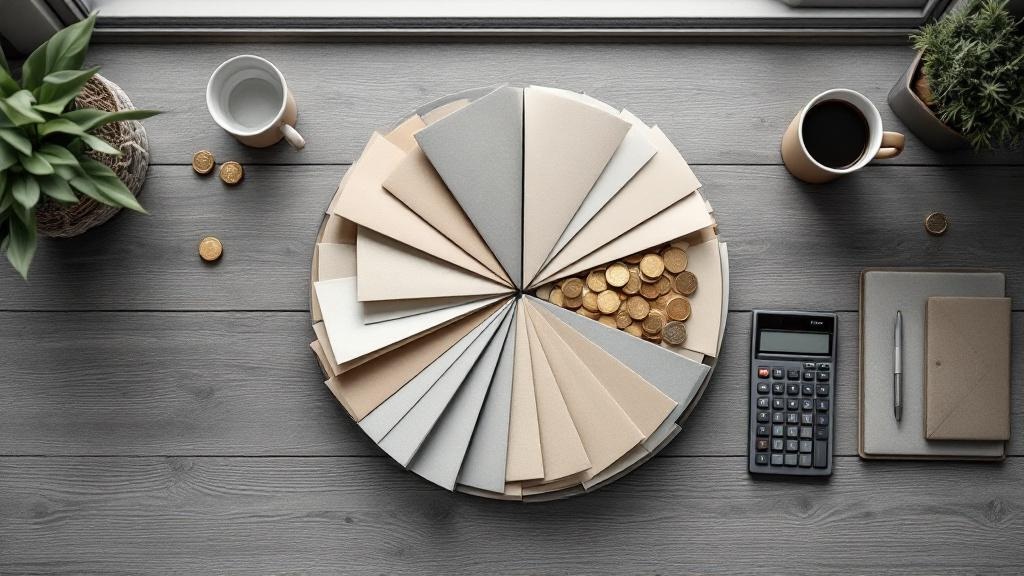
A modest slice of silver sits alongside core holdings, visually reinforcing that metals are usually a side dish, not the main course in a saver’s portfolio.
Upside Case
Pros of Silver for Patient Savers
Silver does have genuine advantages when used carefully. First, it offers relatively low entry cost. You can buy a few ounces for far less than a single ounce of gold, or use a silver ETF to add a 2–5% slice without large minimums. That makes silver as investment accessible to smaller savers who still want precious metals exposure.
Second, silver often behaves differently from stocks and bonds. Morgan Stanley notes that gold and silver can lower overall portfolio volatility when held in modest amounts because they sometimes rise when equities fall.[2] Silver’s higher “beta” means its moves are larger, which is risky, but can add diversification if you keep the allocation small.
Third, industrial demand is a real support. The Silver Institute highlights record industrial use from solar, electronics, and automotive applications. If clean energy and electrification expand, that demand could support silver as investment over time, even if investor sentiment cooled.
Finally, silver sometimes shines in crises or inflation spikes. In those windows, a small silver position may cushion your overall savings and provide psychological comfort, especially if headlines feel scary.
Downside View
Cons and Risks for Conservative Savers
The biggest drawback of silver as investment for savers is its volatility. You should expect swings of 20–40% in a year and stretches of several years where your position is underwater. That is far more violent than high‑quality bonds and often more extreme than broad stock indexes.
Silver also pays no income. Stocks can pay dividends and bonds pay interest, which you can reinvest or use in retirement. Silver provides returns only through price change. If prices stagnate, your silver holding sits there while your neighbor’s diversified portfolio continues compounding.
There is also opportunity cost. Over many decades, diversified stock‑heavy portfolios have generally outperformed precious metals because companies grow earnings. When you hold too much silver as investment, that portion of your money is not working in productive assets.
For conservative savers, this combination of volatility, no income, and long “dead” periods can feel stressful. If a 30–50% drawdown in a non‑core asset would keep you awake at night, you need to keep any allocation very modest or skip silver entirely.

Instead of a big bet, a saver adds just a small, considered slice of silver alongside existing investments, guided by a clear plan.
Portfolio Fit
How Much Silver as Investment to Hold
Most mainstream personal‑finance sources suggest keeping total precious metals, including gold and silver, as a modest slice of your overall portfolio. Yahoo Finance notes ranges like 5–10% of assets for metals, with silver as a portion of that.[3] For many savers, 0–5% in silver as investment is more than enough.
Think first about your age and risk tolerance. A 30‑year‑old with decades to retirement and a strong stomach for volatility might hold 5–10% in precious metals, of which perhaps half or less is silver. A 60‑year‑old nearing retirement might cap total metals closer to 5%, with silver just a small satellite.
Also consider your existing diversification. If you still do not have a broad stock index fund and a high‑quality bond fund as your core, you probably should not prioritize silver as investment yet. Metals usually play a supporting role once the basics are in place, not the other way around.
For many savers, the simple rule is: build a strong core first, then treat silver as an optional side dish rather than the main course.
Allocation Steps
Adding Silver in a Sensible Way
If you decide silver as investment fits your plan, move in gradually. A simple five‑step process helps keep emotion and timing guesses under control:
- Assess your current portfolio. List your holdings by percentage: stocks, bonds, cash, real estate, and metals.
- Set a clear cap for precious metals, such as 5–10% total, then decide what fraction of that can be in silver.
- Choose your vehicle: physical silver, a silver ETF, or a small exposure to silver mining stocks, keeping complexity low.
- Focus on costs and premiums. With physical silver, compare dealer markups; with funds, check expense ratios.
- Review annually. Rebalance back to your target percentage rather than chasing rallies or bailing after dips.
Consider two quick examples. A 30‑year‑old saver with $50,000 in a 401(k) might decide that 5% in a low‑cost silver ETF, rebalanced yearly, is acceptable. A 60‑year‑old with $800,000 preparing to retire might instead hold 3–5% in gold and only 1–2% in silver as investment, or even skip silver and focus on stability.
“
Silver can help diversify a saver’s plan, but only when it is a side allocation, not a centerpiece.
Investment Types
Ways to Invest in Silver
There are four main ways most savers hold silver as investment, each with trade‑offs.
Physical silver means coins and bars. You pay a premium over the spot price, which can be significant, and you need safe storage and possibly insurance. Buyers should ask detailed questions about pricing, storage arrangements, and fees to avoid fraud or abusive sales tactics.
Silver ETFs usually track the spot price and hold bullion in trust. They offer easy trading in a brokerage or retirement account and remove storage headaches. You still face price volatility, but you avoid high dealer premiums. For many savers, a simple silver ETF is the least complicated choice.
Silver mining stocks are shares of companies that mine silver. These often move more than the metal itself because they add company‑specific risks like management, costs, and debt. That makes silver mining stocks riskier and less suitable as a simple hedge for cautious savers, even though they can perform very well in bullish periods.
Some retirement accounts allow precious metals exposure directly or through specific funds. Be wary of “silver IRA” pitches that push high‑fee, complex structures. High fees eat into returns, and illiquid or opaque products are rarely a good match for conservative savers.
Retirement Focus
Silver and Retirement‑Minded Savers
Retirement savers care about steady income, protecting against inflation, and avoiding big hits right before or just after they stop working. Silver as investment does not line up perfectly with those goals, because it is volatile and does not pay income.
Sequence‑of‑returns risk is key. If a retiree has a large silver allocation and silver crashes early in retirement, they might need to sell at low prices to fund living costs, locking in losses. By contrast, a smaller metals allocation alongside stocks, bonds, and cash can help balance these risks.
When comparing gold and silver, Morgan Stanley points out that gold tends to act as a more stable hedge and is less tied to industrial cycles. For many retirees, that means gold is a better fit for the metals portion of their portfolio, while silver as investment is kept smaller or used more by younger savers with time to recover.
Many “gold and silver IRA” promotions target older adults with fear‑based messaging. The Commodity Futures Trading Commission advises asking about all fees, storage details, and how you can liquidate the investment.[4] If an adviser or salesperson pushes you to move a large chunk of retirement savings into metals quickly, that is a red flag.
Risk Watch
Practical Pitfalls to Avoid
Silver brings a set of practical risks beyond price moves. Physical buyers often overpay premiums and wide bid‑ask spreads, especially on collectible or “limited” coins. For a saver, those extra costs can wipe out years of expected return. Comparing dealer quotes and favoring widely traded bullion products helps keep these costs lower.
Storage and insurance matter too. Keeping significant value at home may raise theft risk and might not be fully covered by standard homeowner’s policies. Bank safe‑deposit boxes or insured third‑party storage add recurring costs that reduce the net benefit of silver as investment.
Tax treatment can also surprise people. In the US, physical silver is generally treated as a collectible with a potentially higher tax rate on gains than long‑term stock holdings. Silver ETFs may have different tax features, depending on structure. It is wise to check how silver will be taxed in your country before investing.
Finally, be alert to fraud and aggressive pitches. Some metals firms use high‑pressure tactics, vague storage claims, or leverage to magnify risk. Honest providers welcome your questions, provide written fee schedules, and do not rush you into large metal purchases.
Comparison View
Silver vs Gold vs Diversified Portfolio
Seeing silver as investment next to gold and a diversified stock/bond portfolio helps clarify its role.
Here is a simple comparison:
| Asset Type | Typical Volatility | Income Potential | Main Role for Saver | Suitability Level |
|---|---|---|---|---|
| Silver | Very high | None | Tactical diversifier | Moderate/low |
| Gold | High | None | Stability hedge | Moderate |
| Diversified portfolio | Moderate | Dividends/interest | Core growth and income | High |
Silver tends to move more than gold, both up and down. Gold usually responds more directly to currency worries and broad risk sentiment. A diversified portfolio, built from stock and bond funds, remains the main driver of long‑term growth and retirement income.
For most savers, the practical question is: what problem am I solving by adding silver? If you already hold a diversified portfolio and perhaps a small amount of gold, heavy exposure to silver may not improve your outcome. A small slice might help you feel more confident about inflation or crises, but large silver bets often just increase stress and risk.
Timing Frame
Is Now a Good Time for Silver?
Trying to time silver perfectly is very hard. Silver can stay “cheap” or “expensive” by past standards far longer than people expect. For savers, a rules‑based framework usually beats guessing tops and bottoms.
Ask yourself a few key questions before adding silver as investment right now:
- Do I already have a solid core in diversified stock and bond funds?
- What is my time horizon until I need this money?
- How would I feel if silver fell 30–40% after I bought it?
- Am I buying because of a long‑term plan, or because headlines or ads spooked me?
If your core portfolio is in place and you still want exposure, consider dollar‑cost averaging a small amount over several months instead of a single lump sum. Set a clear maximum percentage of your portfolio for silver as investment and stick to it when prices surge or slump.
Remember that Is Silver a Good Investment? What Savers Should Consider is not a timing call. It is about whether silver fits your needs and temperament at all, and if so, at what scale.
Is silver a good long‑term investment for retirement?
Silver can play a supporting role but rarely suits the core of a retirement portfolio. Its high volatility and lack of income make it less useful than diversified stocks and bonds for steady long‑term compounding. Many retirement savers who use silver as investment keep the allocation small and rely on other assets for income.
How much of my savings should be in silver?
For most people, total precious metals fall in the 0–10% range of their overall portfolio, with silver only a part of that. Conservative savers may choose 0–3% in silver as investment or none at all, while more aggressive, long‑horizon investors might hold closer to 5% within a broader metals slice. Your risk tolerance and retirement timeline should guide the exact number.
Is physical silver better than a silver ETF?
Neither is automatically better; each suits a different need. Physical silver gives you direct ownership but involves premiums, storage, and possible security issues. A silver ETF offers an easier, more liquid way to hold silver as investment in a brokerage or retirement account, with lower friction for most everyday savers.
Can silver protect me from inflation?
Silver has sometimes performed very well in high‑inflation periods, such as the 1970s, but its inflation protection is uneven. Gold and diversified stock portfolios have shown more consistent long‑term protection of purchasing power. If you use silver as investment to hedge inflation, treat it as one tool among several, and keep expectations realistic.
Is now a good time to invest in silver?
The better question is whether silver fits your plan at all. If you have a diversified core, understand the volatility, and still want exposure, you can phase in a small silver as investment position over time. Avoid making decisions based purely on recent price moves or alarming headlines.
Is silver as investment safe from fraud?
The metal itself is a legitimate asset, but the way you buy it can expose you to scams or unfair terms. The Commodity Futures Trading Commission recommends asking detailed questions about pricing, storage, and fees and being cautious of high‑pressure sales tactics. Working with regulated, transparent providers and keeping your allocation modest improves safety.
Your Strategy
Should Savers Use Silver at All?
For savers and retirement‑minded investors, silver works best as a small, clearly defined part of a broader plan. It offers diversification and potential inflation protection, especially during stress periods, but with sharp price swings and no income. Diversified stock and bond portfolios remain more reliable for long‑term growth and retirement income than large silver allocations.
If you decide that silver as investment belongs in your portfolio, keep total metals modest, favor simpler vehicles like low‑cost ETFs, and avoid high‑pressure, high‑fee products. Revisit your allocation once a year, not every time the price jumps. Used with discipline, silver can support your plan, but it should rarely drive it.
Is Silver a Good Investment? What Savers Should Consider comes down to fit: your age, risk tolerance, and existing holdings. Focus first on building strong core investments and using tools like Oodlz to stretch every dollar you invest or spend. Once that base is in place, you can add a measured slice of silver, if it truly matches your long‑term goals.