Travel
Budget Travel Tips 2026 Complete Guide in 7 Steps Today
Travel prices have jumped, but the desire to see more of the world hasn’t slowed. International trips reached about 1.52 billion arrivals in 2025, even with inflation and higher airfares (UN Tourism, 2025). At the same time, 32% of Americans say they plan to spend less on travel this year, and 38% say staying under budget is “very important”—but only 28% actually set a budget (Empower, 2025).
This guide gives you budget travel tips that work with 2026 prices. You’ll get a simple 4-bucket trip budget, clear decision rules, and specific examples you can copy. Whether you’re a student, family, couple, or solo traveler, you’ll learn how to plan around your real numbers and priorities—not someone else’s backpacking fantasy.
Table of Contents
- Build a Simple Travel Budget Before You Book Anything
- Choose the Right Time and Places for Your Budget Travel Tips
- Slash Flight and Long-Distance Transport Costs
- Stay Cheaper Without Hating Where You Sleep
- Daily Budget Travel Tips for Food, Activities and Local Transport
- Special Budget Travel Tips by Traveler Type
- Money Tools, Safety and Scams So Savings Don’t Backfire
- How to Afford More Trips Before and After You Go
- Frequently askedquestions.
- Bring These Budget Travel Tips Into Your Next Trip
Key Takeaways
- Use a simple 4-bucket budget (transport, stay, food, activities) before you book anything.
- The best budget travel tips focus on when and where you travel as much as how.
- Your biggest savings usually come from flights, accommodation choices, and daily habits.
- Different travelers (students, families, couples, solo women) need different strategies.
- Modern tools—cashback, points, and fee-free cards—can cut hundreds from a single trip.

Budget travel starts at home with a calm plan—seeing your routes, rough numbers, and priorities laid out makes every later decision on the road feel lighter.
Step 1
Build a Simple Travel Budget Before You Book Anything
The most effective budget travel tips start before you search for flights. A clear budget gives you guardrails so every later decision feels easier instead of stressful. Think in four buckets:
- Transport: 35–40%
- Accommodation: 25–35%
- Food: 15–20%
- Activities & other: 10–20%
Imagine this as a simple pie chart on paper. If your total budget changes, you just resize the slices.
Sample 4-bucket budgets (domestic)
Use these as starting points, then tweak for your own trip style.
Example 1: Short US city break – $500, 3 nights
- Transport: $180 (bus or budget flight)
- Accommodation: $170 (3 nights at $55–60 in a budget hotel or hostel private)
- Food: $90 (about $30/day mixing groceries and cheap eats)
- Activities & other: $60 (one paid attraction, transit passes, small extras)
Example 2: One-week US trip – $1,000
- Transport: $300 (round-trip flight booked early)
- Accommodation: $350 (7 nights in budget hotel or shared rental)
- Food: $200 (one “nice” meal per day max, plus groceries)
- Activities & other: $150 (two paid attractions, local transport, buffer)
Sample 4-bucket budgets (international)
Example 3: 10 days in Southeast Asia – $1,200
- Transport: $550 (international flight from US/UK in shoulder season)
- Accommodation: $250 (9 nights at $25–30 in guesthouses or hostel privates)
- Food: $180 (about $18/day with street food and some restaurants)
- Activities & other: $220 (tours, museum entries, local SIM, buses, tips)
Use these numbers as a worksheet. Ask yourself:
- Which bucket matters most this trip—comfort, food, or activities?
- Where are you okay going cheap, and where are you not?
- What’s your absolute total cap in dollars, not “roughly”?
Write that cap down. Every other budget travel tip in this guide will connect back to staying under that number.
Step 2
Choose the Right Time and Places for Your Budget Travel Tips
Many of the best budget travel tips are really about timing and destination, not tricks. The same style of trip can cost half as much in October as July, or in Vietnam instead of California.
Timing: off-season and shoulder season
Travel surveys show people are shortening trips and taking fewer flights to keep costs down, with planned holiday trip budgets dropping about 18% to roughly $2,334 in 2025 (Deloitte, 2025). You can keep the days and cut the cost by shifting when you go:
- Peak season: school holidays, major festivals, summer in Europe/US. Highest prices.
- Shoulder season: just before or after peak (e.g., late April/May, September/October). Often 20–40% cheaper on flights and stays, with fewer crowds.
- Low season: best deals, but weather or closures may be an issue.
For 2026, many “value-first” travelers are targeting shoulder seasons to balance price and experience (Skyscanner, 2026).
Where your money goes further
Cheaper daily budgets are still found in Southeast Asia, Central/South America, and parts of Eastern Europe (Indie Traveller; Cheapest Destinations Blog). Here’s a simple benchmark in USD:

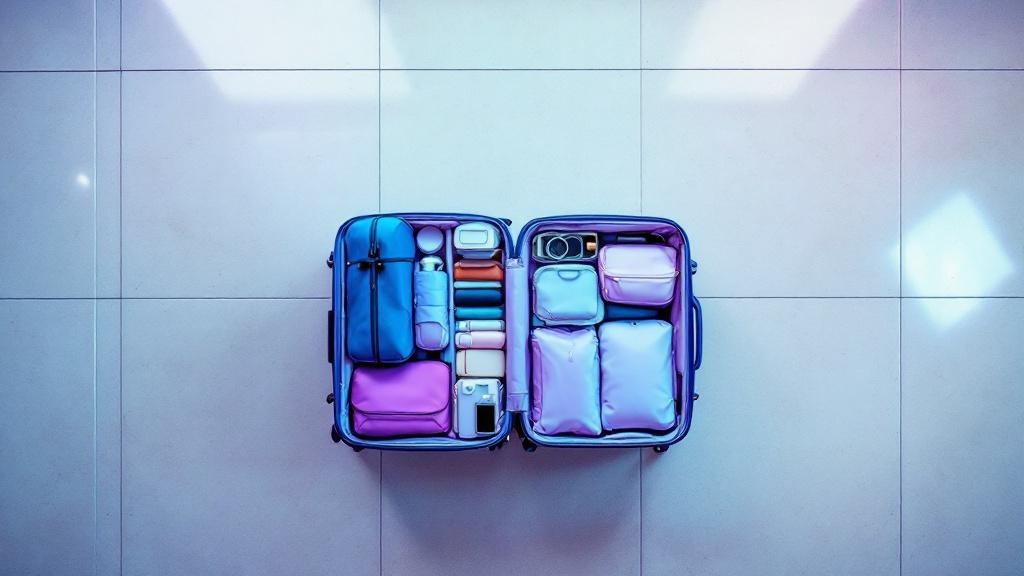
Seeing your budget tools and essentials laid out simply reinforces that smart, light packing and the right cards can stretch every travel dollar further.
| Region | Shoestring/day | Comfortable/day | Typical cheap stay |
|---|---|---|---|
| Southeast Asia | $30–45 | $50–80 | Guesthouse/hostel |
| Central/South America | $35–55 | $60–90 | Guesthouse/budget hotel |
| Eastern Europe | $40–60 | $70–100 | Budget hotel/rental |
| Western Europe/US | $70–110 | $120–180 | Budget hotel/rental |
| North Africa | $35–55 | $60–90 | Guesthouse/riads |
Use flexible tools like Google Flights Explore and Skyscanner’s “Everywhere” search to compare whole regions at once. Set your home airport, select “flexible dates,” and see which destinations drop into your budget window.
“
The most powerful budget travel tips are often about saying “yes” to where your budget fits, instead of forcing an overpriced destination.
Step 3
Slash Flight and Long-Distance Transport Costs
Flights and long-distance transport usually eat the biggest chunk of your budget, so smart choices here amplify every other budget travel tip.
When to book and how to search
Travel experts often suggest (and aggregators back it up):
- Domestic flights: aim to book 1–3 months in advance.
- International flights: aim for 3–6 months out for the best mix of options and prices.
Use:
- Google Flights: flexible date grid and price graph.
- Skyscanner: “whole month” and “everywhere” views.
- Fare alerts: set alerts 6–8 months ahead for big international trips.
Avoid “cheapest at any cost” mistakes:
- Ultra-low-cost airlines can add high fees for bags, seat selection, and even check-in. Compare final price with bags.
- Tight layovers (under 90 minutes on separate tickets) risk missed connections and expensive rebooking.
Planes vs. trains vs. buses
Good budget travel tips balance time and money:
- Plane: better when distances are huge (e.g., New York–Denver) or when low-cost carriers genuinely undercut overnight trains.
- Train: great in Europe/UK for city-center to city-center travel with no baggage fees.
- Bus: slowest, but often cheapest, especially in South America and Southeast Asia.
For Europe/UK, compare low-cost airlines with rail passes or advance train tickets. For US road trips, factor in gas, tolls, and parking versus a cheap domestic flight plus local transit.
A quick word on points and miles
You don’t need to be a “points hacker” to benefit:
- Use a travel rewards credit card with no foreign transaction fees.
- Pay for flights and big expenses on that card to earn points.
- Check your card’s portal for discounted flights or hotels.
If you combine rewards with Oodlz cashback on travel sites or gift cards, you effectively “stack” benefits: card points + Oodlz cashback + any promo from the airline or OTA.
Step 4
Stay Cheaper Without Hating Where You Sleep
Some budget travel tips focus on rock-bottom accommodation, but miserable sleep ruins trips. Instead, think in terms of tradeoffs.
Main stay types, with tradeoffs
- Hostel dorms: cheapest, best for solo students/backpackers. Less privacy and more noise.
- Hostel privates / budget hotels: mid-range price, more privacy. Ideal for couples or older travelers on a budget.
- Short-term rentals (Airbnb, etc.): good for families and groups needing a kitchen and space. Extra fees can add up.
- House sitting / home exchange: very low cost, but requires flexibility and good reviews.
- Work exchange (e.g., Worldpackers): free or cheap stays in exchange for a few hours of work. Best for long, slow trips.
- Couchsurfing-style stays: free, but vet hosts carefully and trust your instincts.
Decision rules by traveler type
- Couples: often happiest in private rooms at hostels or budget hotels. You share a bed, so cost per person can be low.
- Families: apartments or rentals with kitchens almost always beat two hotel rooms on cost and sanity.
- Solo first-timers: well-reviewed hostels or guesthouses in central, safe areas are usually better than remote, ultra-cheap options.

Choosing public transport and walkable neighborhoods keeps costs low while dropping you into the everyday rhythm of the cities you visit.
For many destinations, booking early gives more choice, while last-minute can work in big cities with lots of hotels. Check both OTAs and the hotel’s own site; sometimes emailing directly with “I saw a rate of $X on [Booking]—can you match it?” yields a small discount or free upgrade.
Using Oodlz when you book through major platforms can add a few percent cashback on top of any loyalty points, whether you’re in the US (Target/Walmart gift cards), UK (Tesco, Sainsbury’s), or Australia (Woolworths, Coles).
Step 5
Daily Budget Travel Tips for Food, Activities and Local Transport
Many budget travel tips focus on flights, but your daily habits determine whether you stay under budget or come home to a credit card shock.
Food: eat well without overspending
Aim for a simple rule: one “nice” meal per day, the rest cheap and local.
- Use supermarkets for breakfast (yogurt, fruit, pastries) and snacks.
- Pack a water bottle; drinks add up quickly.
- Look for where locals eat at lunch—set menus in Europe, street food in Asia.
- Avoid restaurants right on main tourist squares; try one or two streets back.
In many cities, cooking a few meals in your rental can cut $15–30 per day, which adds up to hundreds over a longer trip.
Activities: mix paid and free
Strong budget travel tips embrace slow travel:
- Free walking tours (tip-based) are in most major cities—check reviews to avoid low-quality ones.
- Many museums have free or discounted days—search “[city] museum free day” before you go.
- Parks, markets, promenades, and self-guided walks cost little and show daily life.
City passes can be worth it if you plan to hit several paid attractions in a short time. Do the math: if the pass costs $80, make sure your planned entries and transit would cost more than that separately.
Local transport: move cheaply and safely
- Buy day or week passes for metro/bus systems when available.
- Walk short distances instead of defaulting to rideshare.
- In Southeast Asia, agree on tuk-tuk or taxi prices up front or insist on the meter.
- In Europe/UK, public transit is usually the best mix of cost and speed.
Small daily choices here can easily free up $10–20 per day, which you can redirect to special experiences.

Every coin you set aside for travel turns into future boarding passes—small, steady savings make big adventures feel financially possible.
Traveler Types
Special Budget Travel Tips by Traveler Type
Good budget travel tips are not one-size-fits-all. A student backpacker, a couple on limited leave, and a family of four can’t use exactly the same playbook.
Students and twenty-somethings
- Use your flexibility. Track fare sales and travel in shoulder or low season.
- Stay in hostels with kitchens to save on food and meet others.
- Consider volunteering or work exchange to stretch a long trip.
- Look for student discounts on rail cards, museums, and passes—often 10–30% off.
Couples on a budget
- Share private rooms in hostels or budget hotels—privacy at lower per-person cost.
- Plan romantic off-season trips (e.g., Paris in November instead of July).
- Cook together a few nights; spend the savings on one memorable dinner.
- Use tools like Oodlz to earn cashback on shared expenses like luggage or travel electronics from retailers such as Amazon.com or Best Buy.
Families with kids
- Fewer hotel hops. A slower itinerary with three bases is cheaper and less stressful than seven.
- Apartments or rentals with kitchens and laundry reduce restaurant and baggage costs.
- Use family passes for transit and attractions; many cities offer child discounts or free entry.
- Road trips can be cost-effective if you pack snacks and use points for motels.
Solo female travelers
- Prioritize “cheap but not sketchy”: well-reviewed hostels or guesthouses in central, busy areas.
- Pay a bit more for safe late-night transport rather than walking through poorly lit areas.
- Trust reviews and your gut more than price when choosing stays or rides.
- Share your itinerary and use tracking features on your phone or messaging apps.
Setting expectations early with friends or partners helps. Try: “My budget is $1,000, so I’m aiming for hostels and street food. I’m happy to split off if you want pricier dinners.”
Step 6
Money Tools, Safety and Scams So Savings Don’t Backfire
Smart money tools are often missing from common budget travel tips, but they can easily save more than any single flight hack.
Cards, cash, and fees
- Use a debit or credit card with no foreign transaction fees; many charge 3% otherwise.
- Withdraw cash from ATMs in larger chunks to reduce per-withdrawal fees.
- When paying by card abroad, always choose to be charged in the local currency, not converted to your home currency at the terminal—those conversion rates are usually worse.
Digital banks and fintech cards can help you hold multiple currencies and get better exchange rates. Check what’s available in your country before you travel.
Cashback and stacking strategies
Cashback is not “free money,” but a small rebate on spending you were already going to do. With Oodlz, for example, you:
- Start on Oodlz and click through to a partner retailer or travel site.
- Make a purchase as normal.
- Earn a percentage back as cashback, which you can withdraw or use later.
Stack that with a rewards credit card and occasional promo codes, and it’s realistic to save $50–100 on a $1,000–$2,000 trip. That’s an extra excursion or a nicer final-night dinner.
To see how cashback works in more detail, you can read Oodlz guides like how cashback apps work and tips on stacking cashback with travel cards.
Common money-wasting mistakes and scams
- Ignoring “small” fees: airport parking, roaming charges, hotel resort fees, visa fees. They add up quickly.
- Overbooking paid tours “to make the most of it” and then skipping some out of fatigue.
- Using currency exchange kiosks at airports—ATM withdrawals are usually cheaper.
- Accepting “taxi” rides from unlicensed drivers at arrivals; use official stands or apps.
Treat safety as a budget issue: pickpocketing, card skimming, or scam tours cost far more than a secure money belt or a slightly pricier, reputable operator.
Step 7
How to Afford More Trips Before and After You Go
The most overlooked budget travel tips are about what you do months before and right after each trip.
Before your trip: small swaps, big impact
Use “trip equivalents” to stay motivated:
- “If I bring lunch three times a week, that’s $30. Over a month, that’s a hostel week in Vietnam.”
- “Canceling two unused subscriptions saves $20/month—$240 per year toward flights.”
Automate a small monthly transfer, even $50, into a “travel” savings pot. Over a year, that’s $600, which can cover most of a budget trip if you apply the earlier 4-bucket framework.
Turn work and life into travel opportunities
- If your job involves conferences or client visits, add a weekend on either side and cover only your personal extras.
- Remote workers can spend a month somewhere cheaper than home, balancing rent and travel costs.
After your trip: debrief and improve
Spend 20 minutes reviewing:
- Planned vs. actual spending in each bucket.
- What felt worth the money and what felt like a waste.
- Which budget travel tips helped most and which you ignored.
This simple reflection turns every trip into data for the next one. Over time, you’ll build your own personal playbook for how to travel on a budget in a way that still feels rich.
Is $1,000 enough for a week-long trip?
It can be, depending on destination and style. In the US, the average one-week vacation runs about $1,991, with a wide range from around $739 to $5,728 (Chime, 2025). If you follow the 4-bucket framework, choose a cheaper region or nearby road trip, stay in budget accommodation, and keep flights under $300, $1,000 is realistic for one person. For Western Europe or big US cities with flights, it may feel tight but still workable with hostels and simple food.
What’s the absolute cheapest way to travel long distance?
Buses are often cheapest, especially in South America and Southeast Asia, but they cost time and comfort. Some of the most effective budget travel tips combine overnight buses or trains (saving a night of accommodation) with careful comparison against low-cost flights. Always include baggage fees, transfers, and food when comparing. For very long distances (e.g., US to Europe), a well-timed flight sale almost always beats surface options.
Where should I go for my first budget trip?
For a first-time international budget trip, consider:
- Southeast Asia (Thailand, Vietnam): low daily costs, friendly to beginners, good infrastructure.
- Eastern Europe (Poland, Hungary, Albania): cheaper than Western Europe, with solid transit.
- Closer-to-home city breaks in your own country by bus or train.
Pick somewhere with good reviews from first-time travelers, reasonable safety, and simple visa rules. Then apply the budget travel tips in this guide: clear budget, shoulder season, and central, affordable accommodation.
Is it safe to choose the cheapest hostel or airline?
Sometimes, but not always. For hostels, safety and cleanliness reviews matter more than the last few dollars. Read recent reviews on multiple sites, look at location, and check photos. For airlines, very cheap carriers can be fine, but factor in fees, on-time performance, and whether they operate from distant airports. Many budget travel tips fail when travelers over-prioritize “cheapest possible” and end up paying more to fix problems.
How can a family of four travel on a budget?
Families benefit from sharing space and slowing down. For a one-week family road trip, a realistic budget might be:
- Transport: $300–400 (gas, tolls)
- Accommodation: $600 (7 nights in motels or budget rentals)
- Food: $400 (groceries plus some meals out)
- Activities & other: $300 (parks, attractions, parking)
That’s around $1,600–1,800 depending on prices. Use apartments with kitchens, free nature days, and city passes. Many of the same budget travel tips—planning ahead, off-peak travel, cashback on big purchases—apply strongly to families.
Your Plan
Bring These Budget Travel Tips Into Your Next Trip
You’ve seen how a simple 4-bucket budget, smart timing and destination choices, and realistic daily habits can shrink trip costs without making travel feel cheap. The numbers are clear: average vacations are getting more expensive, but many travelers are still exploring the world by prioritizing value and planning with intention (Empower, 2025; UN Tourism, 2025).
Your next step is small and concrete: sketch your total budget, split it into the four buckets, and write down one or two budget travel tips from this guide you’ll actually use—maybe shoulder-season dates, hostels with private rooms, or Oodlz cashback on flights and gear. Repeat this process for every trip, review what worked, and you’ll steadily turn “I wish I could travel more” into a series of affordable, memorable journeys.