Health
Hydration on a Budget 10 Simple Daily Ways Guide 2026
Staying hydrated sounds easy, but between pricey bottled drinks, confusing advice, and busy days, it often slips. Many people also assume that “healthy hydration” means buying expensive water, powders, and vitamin drinks they cannot afford.
You do not need that. Most healthy adults can meet their fluid needs cheaply with tap water, basic foods, and a few smart habits. This guide on Hydration on a Budget: Affordable Ways to Boost Your Daily Intake shows how to turn everyday routines into low-cost hydration support, without extra gadgets or premium products.
According to CDC, US adults drink about 44 ounces of plain water a day, which is less than many experts recommend. Mayo Clinic Health System notes that most women do well around 9 cups of fluid daily and most men around 13, including all drinks and water-rich foods. You can reach those targets with hydration on a budget strategies that fit real life.
Key Takeaways
- Tap water is usually safe, heavily regulated, and costs around 1–2 cents per gallon in many US cities.
- Bottled drinks and powders are rarely needed for daily life; plain water covers most hydration needs.
- Simple routines and placement tricks often work better than expensive hydration gadgets.
- Water-rich foods and low-cost flavor add-ins keep things interesting without raising your grocery bill.
- Electrolyte drinks matter for heavy sweating or illness, but homemade options often work for less money.
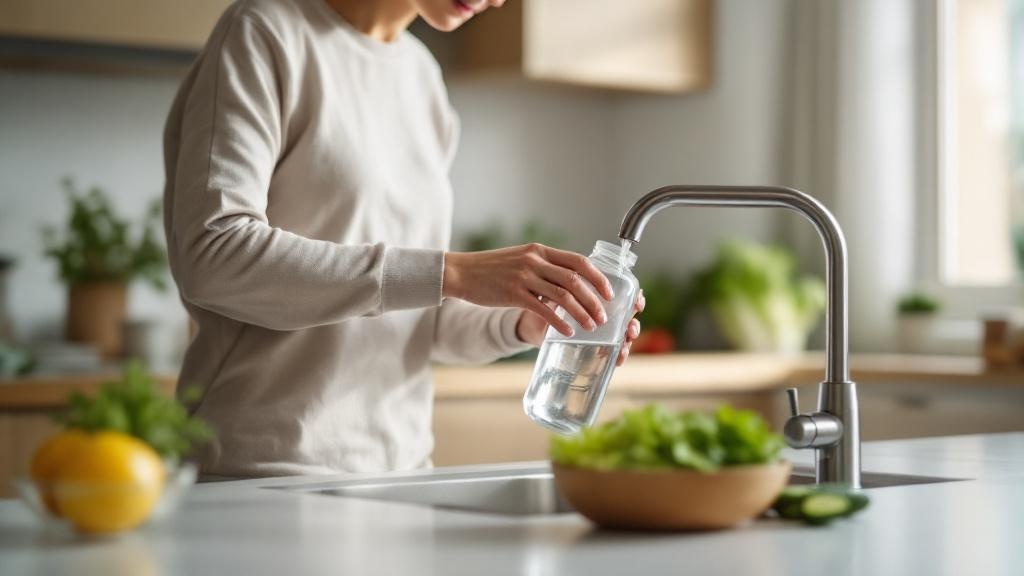
A simple sink, a reusable bottle, and a few fresh ingredients are often all you need to build a budget-friendly hydration routine that actually fits real life.
Fluid Basics
How Much Water You Need
Most healthy adults can use simple targets rather than complicated formulas. Mayo Clinic Health System and the Academy of Nutrition and Dietetics often suggest about 9 cups of total fluids daily for women and 13 cups for men. That includes all beverages plus moisture from food, not just glasses of water.
Around 20% of your fluid typically comes from food, especially fruit, vegetables, and soup. That means many adults do well aiming for about 6–10 cups of drinks a day, adjusting for body size, weather, and activity. Hydration on a budget works best when you think in cups you can picture, not abstract numbers.
Simple ways to check your hydration level
You do not need gadgets to tell if you are hydrated. UCLA Health recommends two easy checks:
- Thirst: feeling thirsty is a sign you are already a bit behind, so sip regularly before that.
- Urine color: pale straw or light yellow is usually a good sign; dark yellow often means you need more fluid.
Other mild dehydration signs include headaches, fatigue, dry mouth, and muscle cramps. These checks pair well with hydration on a budget because they cost nothing and rely on your own observations.
Who needs to be more careful
Some groups need closer attention and may need different targets:
- Older adults: Studies summarized by StatPearls report dehydration in about 17–28% of older adults in care settings, and it often leads to hospital visits. Thirst may be weaker, so regular drinking schedules matter.
- People in hot climates or doing manual labor: Sweating heavily all day can raise fluid and salt needs significantly.
- People with medical conditions or on certain medications: Heart, kidney, or endocrine conditions can change safe fluid needs.
If you have chronic illness, are pregnant, or take multiple medications, talk with a healthcare professional about safe fluid ranges. You can still follow hydration on a budget principles; you just need tailored amounts.
“
The cheapest hydration plan usually starts with tap water, a basic bottle, and a few repeatable routines.
Smart Choices
Water Options And Real Costs
Hydration on a budget starts with understanding what you are really paying for. For most healthy adults, tap water is safe, regulated, and extremely cheap. US Water Systems, summarizing federal data, estimates average US residential water at about 1.5 cents per gallon.
By contrast, bottled water can cost hundreds to thousands of times more per gallon. Some analyses show that drinking the classic “eight glasses a day” from tap might cost around $2–3 per year, while buying the same amount in single-serve bottles can exceed $1,000. That price gap is one of the biggest wins in cheap ways to stay hydrated.
Is tap water safe enough?
In the US, public tap water must meet Environmental Protection Agency standards, which set strict limits on many contaminants. Local water reports are usually available from your city or utility and list recent testing results. Many households safely rely on tap water as their main source of hydration.
If you dislike the taste or worry about older pipes, a basic faucet or pitcher filter can remove common off-flavors like chlorine and some impurities. This small upfront cost often still supports hydration on a budget because filters average only a few cents per gallon over time.
Table: Hydration options, cost, and best uses
Here is a quick comparison to guide budget-friendly hydration choices.
| Option | Cost/Serving | Best Use Case | When To Skip |
|---|---|---|---|
| Tap water | Almost free | Everyday drinking | Safety issues locally |
| Filtered tap | Few cents/gal | Taste, minor concerns | If tap already tastes fine |
| Bottled water | High per bottle | Travel, unsafe tap | Daily home use |
| Sports drinks | Moderate per bottle | Long, sweaty exercise | Sitting at desk |
| Electrolyte powder | Moderate per packet | Heavy sweat or illness | Everyday sips at home |
| 100% juice | Moderate per cup | Occasional flavor boost | Main hydration source |
For most days, plain or filtered tap water covers nearly all needs. Choosing this option is the foundation of hydration on a budget, while keeping occasional bottled or specialty drinks for specific situations.
When sports drinks are actually helpful
UNH Extension explains that sports drinks are designed for prolonged, intense exercise where you lose a lot of sweat and electrolytes, such as long runs, team sports in heat, or manual labor for several hours. In these cases, fluids with some sodium and carbohydrates can help replace what you lose.
For short workouts under an hour, walking, or light household activity, water is usually enough. Using flavored sports drinks as casual all-day beverages adds sugar and cost without real benefit. Hydration on a budget means saving those purchases for days you truly need them.
Cheap Habits
Budget Hydration Routines
Healthy hydration on a budget depends more on habits than on products. Simple routines that repeat daily will help you drink enough almost automatically, even if you are busy or forgetful.
Five steps to set up a cheap routine this week
- Choose a main bottle or cup Use a reusable bottle, thrifted tumbler, or even a clean jar with a lid. Mark rough halfway and full points with tape if you like.
- Pick three cue times Tie drinking to habits you already have, such as waking up, brushing teeth, starting work, or watching a nightly show. Aim to drink at least half a cup at each cue.
- Pre-fill water before bed Fill your bottle or a glass and place it where you will see it first thing: bedside table, bathroom, or kitchen counter.
- Plan simple flavors and foods Add one low-cost idea, such as sliced lemon for two days or a pitcher of weak herbal tea in the fridge, to make hydration on a budget feel more enjoyable.
- Check in at the end of the week Notice what worked and what you forgot. Adjust cue times or bottle location until the routine feels natural.
These steps build a cheap ways to stay hydrated system without any paid apps, smart bottles, or subscription products.
Sample “hydration on a budget” day
Here is a simple example for an adult with a desk job. Adjust amounts for your body size, weather, and doctor’s advice:
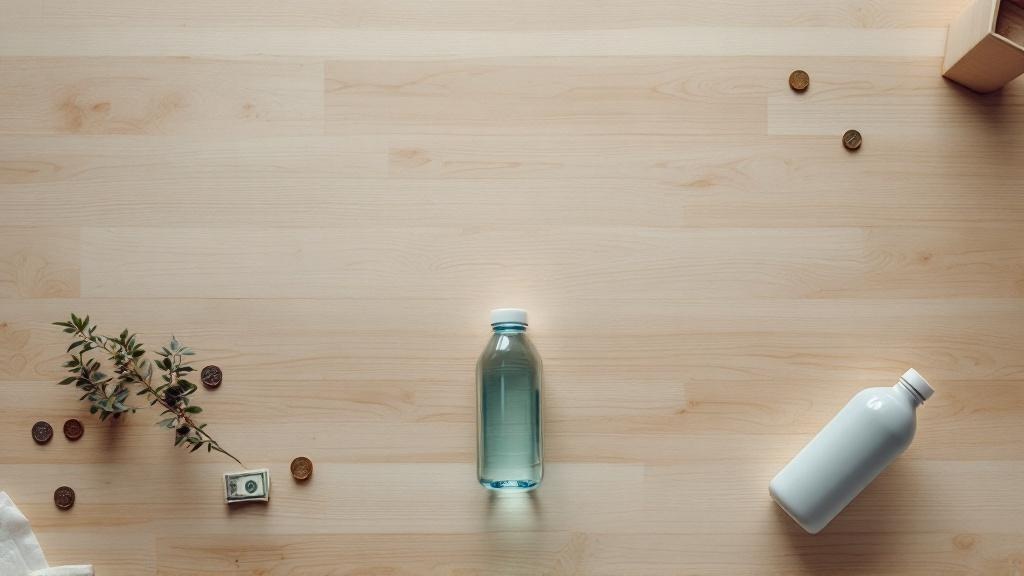
Plain tap water in a reusable bottle can save significant money over time, while still covering most everyday hydration needs for healthy adults.
- Morning: 1 cup of tap water on waking, 1 cup with breakfast.
- Mid-morning: Half a bottle (about 1 cup) during work or errands.
- Lunch: 1–2 cups of water plus a serving of water-rich vegetables, such as cucumber or lettuce.
- Afternoon: 1 cup of herbal tea or flavored water, plus a piece of fruit.
- Evening: 1–2 cups with dinner, and half a cup an hour before bed if you do not wake up to use the bathroom often.
All of this uses tap water and basic groceries. Over a year, choosing this pattern instead of bottled drinks can support hydration on a budget and free hundreds of dollars.
Free strategies for people who “forget to drink”
Many people simply do not notice thirst until hours pass. You can support hydration on a budget with zero-cost reminders:
- Set 2–3 phone alarms named “Quick sip” instead of downloading paid apps.
- Keep your bottle on your desk, nightstand, or next to the remote, not hidden in a bag.
- Use a scrap of paper to tally cups each day; aim for a number that fits your target.
- Ask a roommate or partner to check in with you once a day about water, and do the same for them.
These behavior tweaks cost nothing, but they often work better than buying another product that ends up in a drawer.
Real-life budget scenarios
College student in a dorm
You share a mini-fridge and live on instant noodles and cafeteria meals. Hydration on a budget might look like: filling a reused bottle at the dining hall, keeping a large dollar-store mug at your desk, and using free hot water in the lounge to make weak tea or flavor packets a few times a week.
Older adult on a fixed income
You live alone, get busy with chores, and rarely feel thirsty. Setting a glass by each chair you use, having a small cup at every meal, and drinking a few sips after each bathroom trip can help. Because older adults face higher dehydration risk, these simple routines can be as important as any medication schedule.
Outdoor worker in a hot climate
You do manual labor outside for hours, sweat heavily, and cannot afford pricey sports drinks daily. Fill two large bottles with tap water and one with homemade electrolyte drink (water plus a splash of juice and a pinch of salt). This pattern balances hydration on a budget with the extra needs of heavy sweating; discuss amounts with a healthcare professional if you have medical conditions.
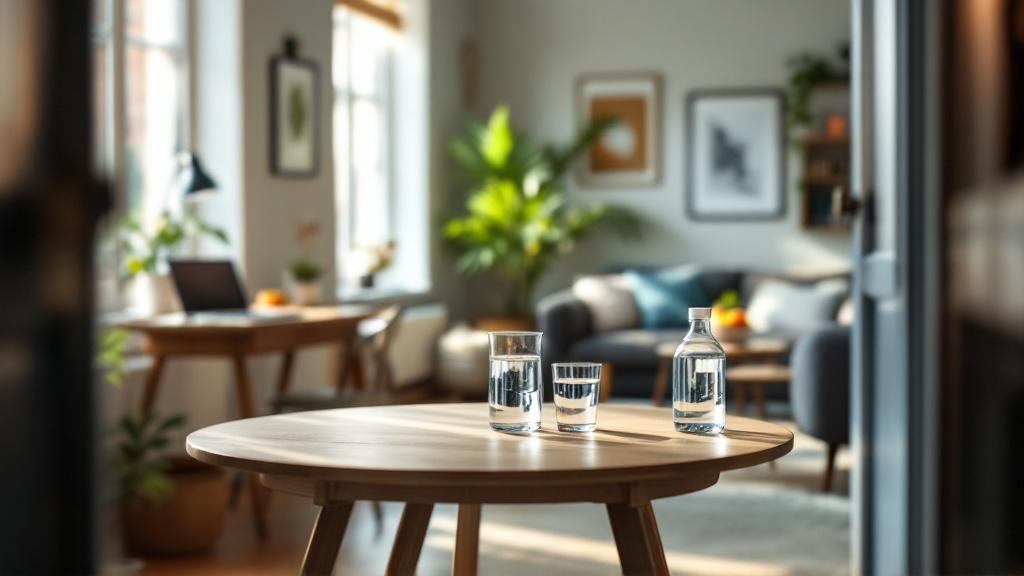
Placing water within easy reach—on your desk, table, and side surfaces—turns hydration into an effortless part of your daily routine, without buying any extra gear.
Tasty Ideas
Low-Cost Flavor And Foods
Many people say they “hate water” or get bored after a few sips. Hydration on a budget can still work for you by using small, inexpensive flavor boosts and hydrating foods.
Cheap ways to make water less boring
You likely do not need expensive infuser gadgets. Try these simple ideas:
- Citrus slices: Use thin slices of lemon, lime, or orange. One piece can flavor several cups.
- Cucumber and herbs: A few cucumber slices plus mint or basil stems in a pitcher add fresh taste.
- Fruit scraps: Use trimmed ends of strawberries, melon rinds with most of the red left, or slightly soft berries to infuse a jug.
- Weak herbal tea: Brew one tea bag in a liter of hot water, cool it, and drink it iced. This often costs pennies per cup.
These approaches align well with hydration on a budget because you stretch produce and tea across many servings, often using parts that might otherwise be thrown away.
Hydrating foods that support your budget
Water-rich fruits and vegetables can supply a meaningful chunk of daily fluid. Common budget-friendly options include:
- Lettuce, cabbage, cucumbers, celery, zucchini, and carrots
- Watermelon, cantaloupe, oranges, grapes, and apples (buy in season or on sale)
- Frozen fruit and vegetables, which often cost less and last longer
- Broths and soups made from inexpensive bones, beans, or leftover vegetables
These foods help your body stay hydrated but do not replace all drinking. A bowl of soup plus a glass of water is a strong budget-friendly hydration combo on cold days.
When you need more than plain water
There are times when electrolytes truly matter. UNH Extension notes that people may need extra sodium and other minerals when they have prolonged heavy sweating, such as endurance sports or hot construction work, or when they lose fluid from vomiting or diarrhea.
In these situations, you can often use a homemade mix as a hydration on a budget backup:
- 3–4 cups of clean water
- ½ cup of 100% fruit juice or a spoon of sugar for taste and energy
- A small pinch of table salt (roughly 1/8 teaspoon)
Stir and sip slowly. This is not a medical-grade oral rehydration solution, but it can help for mild fluid loss in people without serious illness. For ongoing illness, very high heat exposure, or medical conditions, speak with a healthcare professional about exact needs.
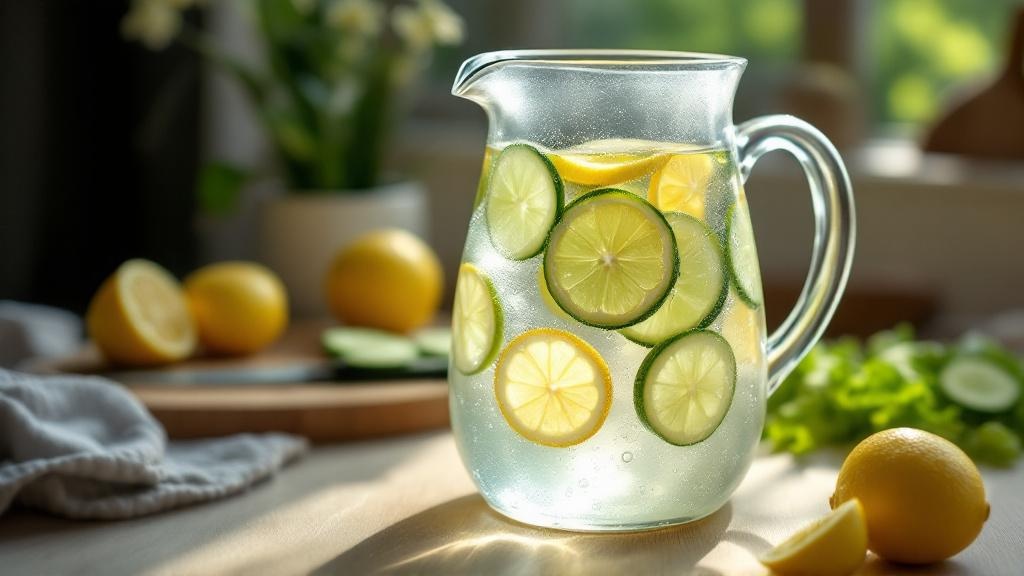
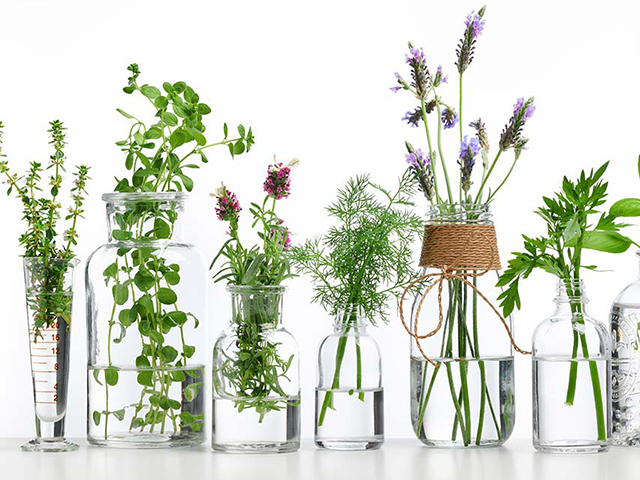
Simple fruit and cucumber slices turn basic tap water into a refreshing treat, adding variety and enjoyment to hydration without stretching your grocery budget.
Try not to use high-sugar sports drinks or juices as “just something to sip” during the workday. They cost more, add calories, and do not support hydration on a budget as well as plain or lightly flavored water.
Is tap water safe enough, or do I really need bottled water?
In most US cities, tap water is regulated by the Environmental Protection Agency and tested regularly for safety. For many households, it is safe and far cheaper than bottled water, supporting hydration on a budget. If you dislike the taste or worry about old pipes, a basic filter is often enough.
What’s the cheapest way to drink more water if my tap water tastes bad?
Chill water in the fridge, since cold water often tastes better. Use a low-cost pitcher filter or even let tap water sit in an open jug for a few hours so chlorine flavors fade. Adding a small slice of lemon, lime, or cucumber can smooth the taste while still fitting a hydration on a budget approach.
Do I need electrolyte drinks every time I exercise?
No. For light to moderate exercise under about an hour, water is usually enough. Electrolyte drinks are most useful for long, intense workouts, hot-weather sports, or jobs where you sweat heavily for several hours. Using them only on those days supports hydration on a budget and reduces extra sugar.
How can I stay hydrated if I hate the taste of plain water?
Use small, low-cost flavor changes: citrus slices, diluted juice, weak herbal tea, or homemade flavored ice cubes. Rotate water-rich foods, such as fruit and crunchy vegetables, at snacks and meals. These strategies help you follow hydration on a budget without forcing huge taste changes all at once.
Can coffee or tea count toward my hydration?
Yes. For most people, moderate coffee and tea still contribute to daily fluid intake. The mild diuretic effect of caffeine does not cancel out the water in the drink for typical amounts. Just watch added sugar and cream, and still make water your main drink if you care about hydration on a budget and overall health.
How do I know if I’m drinking too much water?
Clear urine all day, needing to urinate very frequently, or drinking large volumes quickly can be signs you are overdoing it. In rare cases, drinking extreme amounts can upset your body’s salt balance, which is dangerous. Aim for light yellow urine and steady sipping through the day; if you have kidney, heart, or hormone conditions, ask your doctor about safe limits.
Next Steps
Build Your Budget Hydration Plan
Hydration on a Budget: Affordable Ways to Boost Your Daily Intake comes down to a few simple choices: rely mainly on tap water, add low-cost flavors and foods, and use routines instead of expensive tools. Everyday strategies like a single reusable bottle, visible cups around the home, and pairing sips with regular tasks usually matter more than which brand of drink you buy.
To make this stick, choose three actions from this checklist and start today:
- Fill a reusable bottle each morning and keep it in sight.
- Drink a cup of water with every meal and snack.
- Use one cheap flavor idea, such as citrus slices or weak herbal tea.
- Keep one water-rich fruit or vegetable on your weekly shopping list.
- Set two “quick sip” phone alarms on busy days.
- Save sports drinks for long, sweaty exercise or illness only.
- Check your urine color once or twice a day as a free hydration guide.
- Review your routine at the end of the week and tweak what feels hard.
If you already use rewards credit cards or budgeting apps, pairing them with Oodlz can reduce the cost of groceries, tea, and reusable bottles you buy for your hydration on a budget setup. Every small saving on water-related purchases keeps more money in your pocket while you take better care of your health.
Oodlz users often stack normal card rewards with Oodlz cashback to cut a few extra dollars from monthly grocery and household spending. Over a year, the combination of cheap hydration habits and smarter shopping can free up real cash—without adding a single fancy drink to your cart.