Health
Health Anxiety After Life Change: 9 Steps 2026
Life changes fast. One day you are coping with a loss, a move, a breakup, or a new baby. Weeks later, you notice every heartbeat, twinge, and headache, convinced something is terribly wrong.
When Health Anxiety Sneaks In After Life Has Been Shaken Up, it can feel confusing and lonely. You might wonder, “Why now? Why am I suddenly obsessed with my health when so much else is going on?”
This guide explains what health anxiety is, why big life events can switch it on or turn it up, and how to calm it. You will learn step-by-step strategies, when to seek extra help, and how to support yourself or someone you care about.
Table of Contents
- What Is Health Anxiety?
- Health Worry vs Disorders
- Why Life Events Trigger Health Anxiety
- How Health Anxiety Shows Up
- Rough Patch or Something More?
- Practical Ways To Break the Cycle
- When Trauma or Grief Are Involved
- Evidence-Based Treatments That Help
- Supporting a Loved One With Health Anxiety
- Frequently askedquestions.
- Finding Hope and Next Steps
- Sources
Key Takeaways
- Health anxiety after major life change is common, understandable, and highly treatable.
- Big events shake your sense of safety and control, so your brain fixates on the body.
- Health anxiety affects an estimated 4–12% of people, and anxiety disorders in general are widespread.
- Simple, structured changes to thoughts, routines, and checking habits can steadily reduce fear.
- Therapy and, sometimes, medication offer strong support when self-help is not enough.
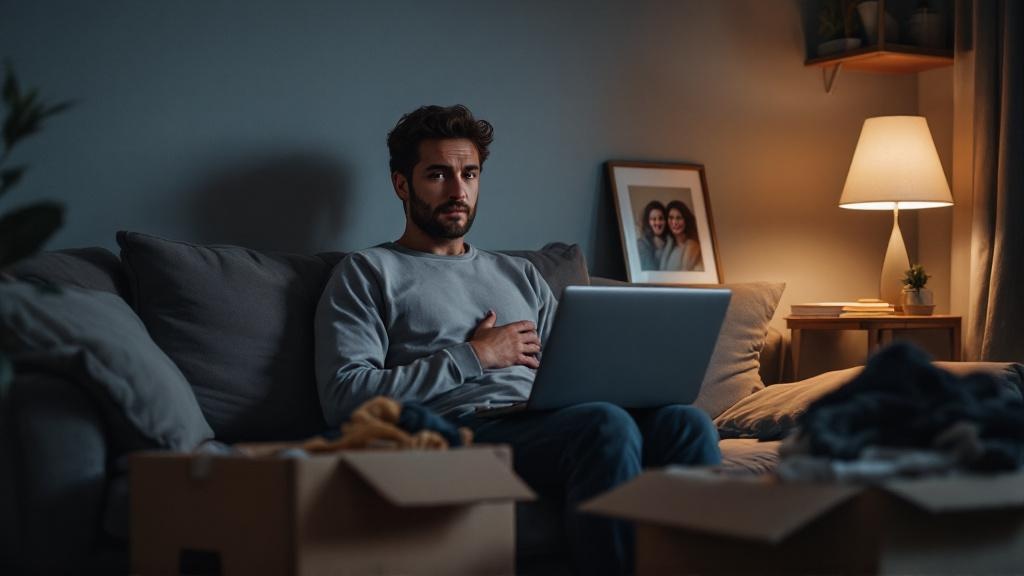
When life has been shaken up, worry often settles in during the quiet moments, turning ordinary evenings into long, anxious nights.
Basics First
What Is Health Anxiety?
Health anxiety is intense, ongoing fear about having or developing a serious illness, even when exams and tests are normal. Harvard Health explains that this pattern used to be called hypochondria and is now closer to what clinicians call illness anxiety disorder.[4]
People with health anxiety often:
- Misinterpret normal sensations as signs of serious disease.
- Check their body repeatedly or Google symptoms for hours.
- Move between doctors, urgent care, or tests seeking reassurance.
- Or, avoid doctors and tests completely because they fear bad news.
Mayo Clinic describes illness anxiety disorder as health worry so strong it disrupts daily life, work, relationships, or sleep.[1] The fear keeps coming back even after clear medical reassurance.
Quick self-check signs of health anxiety
If several of these fit your experience, you may be dealing with health anxiety rather than ordinary concern:
- You think about your health or a specific disease for at least an hour most days.
- You often “scan” your body for lumps, tingling, pain, or changes.
- Reassurance from doctors, loved ones, or tests only calms you briefly.
- You frequently search online for symptoms or join worry-focused forums.
- You avoid news, shows, or conversations about illness because they spike fear.
- Your focus on health affects work, parenting, social life, or sleep.
This does not replace professional assessment, but it can help you see patterns more clearly.
Anxiety Types
Health Worry vs Disorders
To understand your symptoms, it helps to see how normal health concern, health anxiety, and other conditions differ. This is especially important when anxiety appears after life has been shaken by a big event.
Here is a simple comparison:
| Type | Time Course | Intensity Level | Daily Impairment | Link to Life Events |
|---|---|---|---|---|
| Normal Health Concern | Short-term days | Mild to moderate | Little or none | Often situational |
| Health Anxiety | Months or longer | High, recurring | Noticeable strain | Often triggered |
| Illness Anxiety Disorder | 6+ months | Very high | Significant, ongoing | Often linked |
| PTSD / Adjustment Anxiety | Weeks to months | Variable | Varies by case | Directly related |
National Institute of Mental Health reports that about 19.1% of U.S. Adults have an anxiety disorder in a given year, and about 31.1% experience one at some point.[2] You are far from alone.
Trigger Links
Why Life Events Trigger Health Anxiety
Major life events do not just change your schedule.[5] They shake your sense of safety, identity, and control. Anxiety often rises in that gap.
Mayo Clinic lists “a time of major life stress” as a risk factor for illness anxiety disorder, alongside personal or family experiences of serious illness. Stressful events are strongly tied to mental health conditions, especially anxiety and depression.
Health anxiety after life change is your brain’s attempt to protect you, even though it overshoots the mark.
3.1 Stress, uncertainty, and the threat system
Big changes keep your body’s alarm system on high alert. Your nervous system releases stress hormones, your heart races more easily, and you become more aware of internal sensations.
If you recently lost someone, moved, had a baby, or faced a scare, your brain treats uncertainty as danger. That makes normal sensations feel louder and more suspicious.
Over time, this hyper-alert state can turn into ongoing health anxiety, where you are constantly scanning for the next threat.
3.2 Loss of control and search for certainty
When everything feels shaky, health can seem like the one thing you are supposed to control. Focusing on every symptom can feel like doing something.
Googling symptoms, checking your pulse, or replaying test results are attempts to find certainty. The problem is that there is always one more article, one more story, one more “what if” to chase.
This keeps health anxiety active and drains time and energy that could support real coping.
3.3 Core beliefs shaped by past experiences
Psychology Today discusses how core beliefs form from life events. If you experienced early illness, sudden loss, or inconsistent care, you may carry beliefs like:
- “The world is unsafe.”
- “Serious illness can strike without warning.”
- “Doctors miss things.”
- “Uncertainty is unbearable.”
When life is shaken, these beliefs wake up. Every new ache or news story feels like proof. Health anxiety thrives when old beliefs and new stress collide.
3.4 Common life shake-ups that feed health anxiety
Health anxiety often spikes after events such as:
- A personal health scare, diagnosis, or hospitalization.
- A loved one’s sudden illness, stroke, heart attack, or cancer.
- Bereavement and grief after unexpected loss.
- Becoming a parent or caring for a fragile family member.
- Major moves or job changes that disrupt support systems.
- Breakups or divorce that change identity and future plans.
Such experiences add significant load to mental health. It is no surprise that your nervous system might grab onto health as the place to focus fear.

After big life changes, everyday objects on the table can quietly tell the story of mounting responsibilities and growing health fears.
Real Patterns
How Health Anxiety Shows Up
Once health anxiety takes hold after a life change, it tends to show up in similar ways across people. Understanding these patterns can make your experience feel less mysterious and more workable.
Harvard Health notes that health anxiety is not just a single thought. It is a repeating cycle of thoughts, feelings, behaviors, and physical sensations.
4.1 Thought patterns that fuel fear
Common thought patterns in post-change health anxiety include:
- Catastrophic thinking: “This headache means a brain tumor.”
- Overestimating risk: “If it happened to them, it will happen to me.”
- Underestimating coping: “If I got sick, I could not handle it.”
- Black-and-white interpretation of tests: “If the test is not 100% perfect, I am unsafe.”
- Intolerance of uncertainty: “Unless I know for sure, I cannot relax.”
These thoughts may feel automatic and convincing, especially after a big loss or scare.
4.2 Behaviors: checking, Googling, and avoiding
Your actions often keep health anxiety going. Common behaviors include:
- Repeated body checking: feeling for lumps, measuring your heart rate, inspecting moles.
- Doctor-hopping: seeking multiple opinions for the same worry.
- Constant reassurance seeking: asking loved ones to confirm you are okay, or posting on forums.
- Excessive Googling of symptoms, sometimes called cyberchondria.
- Avoiding news, shows, or places linked to illness.
- Avoiding exercise or activity because sensations feel frightening.
These behaviors reduce anxiety briefly but teach your brain that you cannot handle uncertainty without them.
4.3 Physical symptoms that feel terrifying
Anxiety itself creates real physical sensations. Common ones include:
- Racing or pounding heart.
- Tight chest or shortness of breath.
- Dizziness or feeling “out of it.”
- Tingling in hands or face.
- Stomach pain, nausea, diarrhea, or constipation.
- Muscle tension, headaches, jaw pain.
Because you are already on edge, these normal anxiety sensations can be mistaken for heart attacks, strokes, neurological disease, or cancer. This is a key part of the health anxiety cycle.
4.4 Vignettes: when life change meets health fear
A few brief examples:
- After a parent’s sudden stroke, Alex, 38, starts checking blood pressure ten times a day and panics with every flutter in the chest.
- After a difficult childbirth, Mia, 32, notices every twinge, fears blood clots, and spends night feeds scrolling through medical sites.
- After a friend’s cancer diagnosis, Jordan, 45, becomes convinced that a mild cough is lung cancer and has repeated scans despite normal results.
- After a cross-country move and job loss, Sam, 29, starts having panic attacks and interprets each as a sign of serious heart disease.
These experiences may sound familiar if post-change health anxiety is part of your story.
Self Check
Rough Patch or Something More?
Everyone feels more on edge after a big life shock. The question is when health anxiety becomes more than a temporary adjustment.
According to Journal of Affective Disorders, global anxiety disorder prevalence has risen about 18% since 1990, so feeling overwhelmed is common.[3] Still, you deserve support when anxiety takes over.
Signs it is likely a normal adjustment
Your health worry may fit normal adjustment if:
- It started soon after the event and has been easing over weeks.
- You can redirect your focus most days.
- You still attend work, care for responsibilities, and sleep reasonably.
- You can decide to stop Googling or checking and mostly follow through.
You might benefit from basic coping tools, social support, and time.
Signs health anxiety needs more attention
Consider professional evaluation if several of these apply:
- Health worries have lasted more than 3–6 months at a high level.
- Anxiety takes more than an hour most days.
- You avoid activities, places, or loved ones because of fear about health.
- Your work, parenting, or relationships suffer because of constant worry.
- You feel driven to keep checking or Googling even when you try to stop.
- You feel hopeless, numb, or have thoughts of self-harm.
NIMH emphasizes that anxiety disorders are common, impairing, and very treatable. Asking for help is a sign of care for yourself, not failure.
“
Your body is not the enemy; it is the messenger telling you how much you have been carrying during this upheaval.
Calm Steps
Practical Ways To Break the Cycle
This section offers a concrete toolkit you can start using today. Health anxiety after major life change will not vanish overnight, but small, repeated steps can gently retrain your brain.
CBT for health anxiety, described by both Mayo Clinic and ADAA, focuses on changing thoughts and behaviors, and building tolerance for uncertainty. The strategies below echo that approach in everyday language.
6.1 Name what changed in your life
Start by connecting your health anxiety to the life event, not just the symptom.
Try writing:
- “Since [event], I have been more on guard.”
- “My body is reacting to stress and loss, not just illness.”
This shift helps your brain see that fear has a context. It also gently challenges the idea that the only explanation is serious disease.
6.2 Rebuild simple daily routines
Big transitions often shred routines. Without structure, anxiety has more room to grow.
Aim for three basics:
- Sleep window: Choose a consistent bedtime and wake time where possible.
- Movement: Gentle walks, stretching, or light exercise most days, cleared by your doctor if needed.
- Regular meals and hydration: Skipping meals or drinking lots of caffeine can intensify anxiety sensations.
Think of these as building a calmer “container” for your nervous system while you address health anxiety more directly.
6.3 Step-by-step: reduce checking and Googling
Here is a simple process for easing reassurance habits:
- Track for three days. Write down each time you check your body, Google, or ask for reassurance. Just notice.
- Set checking windows. Pick 1–2 short times per day (for example, 10 minutes in late afternoon) when you are allowed to check or research.
- Delay, do not deny. Outside those windows, when the urge hits, say, “I will do that at 5 pm if I still need to.” Often, the urge fades.
- Shrink the window. Each week, reduce the time by a few minutes or drop one window.
- Celebrate small wins. Each urge resisted is a rep in strengthening your uncertainty muscles and weakening the health anxiety cycle.
This approach keeps fear tolerable while slowly shifting habits.
6.4 Step-by-step: challenge catastrophic thoughts
Use this quick CBT-inspired process when you notice a scary thought:
- Catch the thought. Example: “This chest pain means I will have a heart attack like my dad.”
- Name the fear. “I am afraid I will die suddenly and leave my family.”
- Check the evidence for and against. For: “My dad had a heart attack.” Against: “My tests last month were normal, the pain changes with movement, my doctor said it was muscle strain.”
- Consider alternative explanations. “This could be muscle tension from stress or posture.”
- Create a balanced thought. “My fear is understandable after losing my dad, and current evidence points to tension, not a heart attack.”
Write these out when you can. With repetition, your brain learns to step back from instant catastrophe.
6.5 Gentle exposure instead of avoidance
Avoidance keeps health anxiety strong. Exposure means moving toward what you fear in small, planned steps.
Examples:
- Watching a medical show for five minutes with grounding tools ready.
- Exercising lightly even if your heart rate increases, after medical clearance.
- Driving past the hospital where a loved one died, with a supportive friend.
Start with less intense steps and repeat them often. Over time, your brain learns that you can handle the feeling without catastrophe.
6.6 Anchor yourself in values
Ask: “If I were not so focused on this health fear, how would I want to live today?”
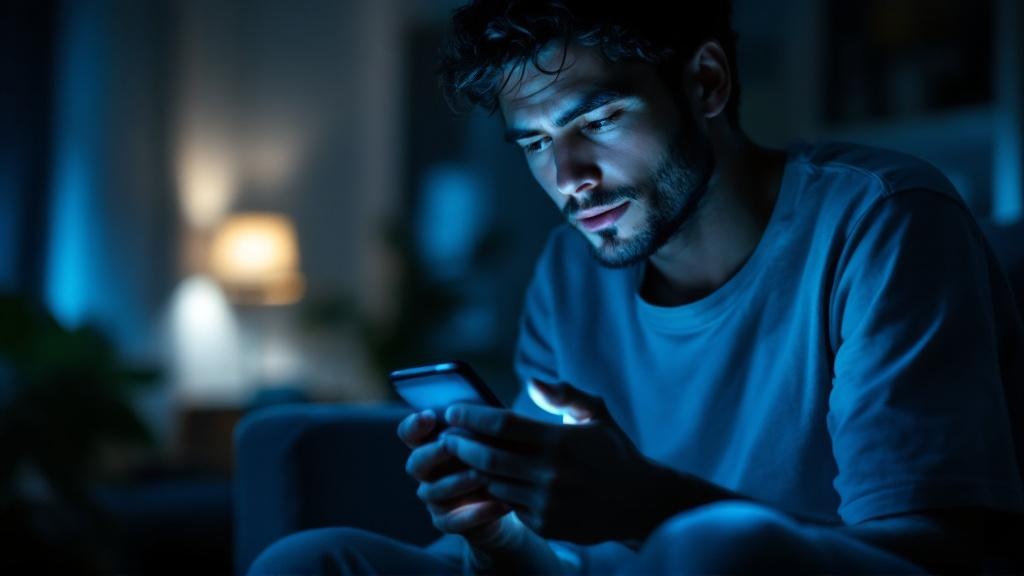
Late-night scrolling can feel like a search for certainty, but for many people it quietly deepens the cycle of health anxiety.
Common values:
- Being present with children or partner.
- Contributing at work.
- Caring for your body through rest and movement.
- Creating, learning, or supporting others.
Each time you choose a small values-based action (reading with your child, calling a friend) instead of another hour of checking, you weaken the grip of health anxiety and strengthen a life worth living even amid uncertainty.
Deeper Roots
When Trauma or Grief Are Involved
Sometimes health anxiety is tightly tied to trauma, grief, or long-term stress rather than a single event. Recognizing this connection can guide you toward the right kind of help.
7.1 Trauma and health fears
If you experienced or witnessed medical trauma, accidents, abuse, or other life-threatening events, your nervous system may stay highly reactive. Symptoms of trauma can include:
- Intrusive memories or flashbacks.
- Nightmares.
- Feeling constantly on guard.
- Strong startle response.
- Emotional numbness or detachment.
When you then face a new health scare or major change, these trauma responses can attach themselves to health-related sensations. This can look like extreme health anxiety, panic about procedures, or avoidance of medical care.
7.2 Grief, loss, and fearing more loss
Grief changes everything: sleep, appetite, energy, focus, and sense of time. After losing someone, especially to sudden illness, your brain becomes more alert to signs that it could happen again.
Thoughts like “If it happened to them, it will happen to me or someone else I love” are common. This can fuel strong health anxiety after bereavement, with constant scanning for early signs of disaster.
Compassion toward your grieving self matters here. Your fear is about love and loss, not only about the body.
7.3 When to seek trauma- or grief-focused therapy
Consider therapy that addresses trauma or grief alongside health anxiety if:
- You have clear traumatic memories you avoid or relive.
- You struggle with intense guilt or anger around a loss.
- You feel emotionally numb or disconnected much of the time.
- Health fears seem tightly linked to specific past events.
Treatments like trauma-focused CBT, EMDR, or grief-focused therapies can work together with health anxiety treatment. A therapist can help you decide what to focus on first.
Pro Support
Evidence-Based Treatments That Help
If self-help tools are not enough, you still have many strong options. Health anxiety after major life disruption responds well to science-backed treatments.
Harvard Health and Mayo Clinic both emphasize that structured therapy often leads to significant improvement, especially when combined with healthy routines and, sometimes, medication.
8.1 CBT for health anxiety
Cognitive Behavioral Therapy (CBT) is one of the best-studied treatments for health anxiety and illness anxiety disorder. It usually includes:
- Identifying and challenging catastrophic health thoughts.
- Gradually reducing body checking and reassurance seeking.
- Planned exposure to feared situations or information.
- Building tolerance for uncertainty about health.
Sessions are active and practical, often including homework between visits. Many people notice progress within weeks to months, though timelines vary.
8.2 Other helpful therapy approaches
Other therapies that may help include:
- Acceptance and Commitment Therapy (ACT), which focuses on accepting unpleasant thoughts and sensations while living by your values.
- Mindfulness-based approaches, which train attention and reduce reactivity to bodily sensations.
- Trauma-focused therapies when health anxiety is intertwined with past trauma.
- Group therapy, where you can see that others share similar patterns.
A therapist might blend several approaches based on your needs.
8.3 Medication: a high-level overview
For some people, especially when anxiety is severe or accompanied by depression, medication is helpful alongside therapy. Doctors often prescribe:
- SSRIs (selective serotonin reuptake inhibitors).
- SNRIs (serotonin-norepinephrine reuptake inhibitors).
- Occasionally, short-term use of other medications.

Simple grounding practices, like journaling and structured reflection, can turn swirling health fears into patterns you can see and gently work with.
These medications do not erase thoughts but can lower overall anxiety, making it easier to engage in CBT and daily life. A prescriber can explain benefits, side effects, and how long treatment might last.
8.4 Talking to your doctor or therapist
When you meet with a professional, you might say:
- “My health worries started after [event], and they have not eased.”
- “I spend about [x] hours per day thinking about symptoms or Googling.”
- “I have cut back on [work, social activities, parenting tasks] because of fear.”
This helps them see that your concern is not just about one symptom, but about the pattern of health anxiety after life change.
Helping Others
Supporting a Loved One With Health Anxiety
If you care about someone whose health anxiety spiked after a big event, you might feel torn between wanting to reassure them and feeling worn out.
Loved ones often get pulled into reassurance cycles. You can support without getting stuck there.
What helpful support looks like
Try to:
- Validate feelings: “It makes sense you are scared after what happened.”
- Ask what they need emotionally, not just medically.
- Offer to sit with them during hard moments, breathe together, or do a grounding exercise.
- Encourage breaks from checking or Googling by suggesting small, shared activities.
This kind of support acknowledges both the life event and the current anxiety.
Setting gentle boundaries on reassurance
You are allowed to set limits while still caring. You might say:
- “I care about you and I have answered this question several times. Let’s write down what the doctor said so we can look together later.”
- “I can sit with you while you feel this, but I cannot keep checking your mole every hour. How about we stick to once a day?”
Boundaries protect your energy and gently push against the health anxiety cycle.
Did my life event cause my health anxiety, or reveal it?
Major stress can trigger mental health symptoms in people who already had some vulnerability. A big event might switch health anxiety on for the first time or reveal patterns that were always there but quieter.
Will my health anxiety ever go away?
Many people see their health anxiety reduce a lot with time, self-help strategies, and therapy. According to Harvard Health, structured approaches like CBT for health anxiety are especially effective. You may always have some sensitivity to health worries, but it can move from driving your life to being a quiet passenger.
Can health anxiety cause real physical symptoms?
Yes. Anxiety can cause chest tightness, palpitations, dizziness, stomach issues, headaches, and more. These are real sensations, even when they are not signs of serious illness. A medical check is important for new or severe symptoms, but repeated normal results suggest anxiety plays a big role.
Is it dangerous to stop checking my body?
If your doctor has evaluated your symptoms and found no serious condition, gradually reducing checking is usually safe and helpful. Consider agreeing a reasonable monitoring plan with your doctor. Then, work on cutting back extra checking that goes beyond that plan, using the step-by-step method earlier.
Can I have both health anxiety and a real medical condition?
Yes. People with real diagnoses can also develop health anxiety, especially after traumatic medical experiences or major life changes. In that case, the goal is to follow appropriate medical care while working on fear, checking, and catastrophic thinking with a therapist or support plan.
Your Next
Finding Hope and Next Steps
When Health Anxiety Sneaks In After Life Has Been Shaken Up, it can feel like you are living in a constant emergency. Yet your anxiety is not proof that disaster is around the corner. It is evidence that you have been through a lot, and your nervous system is trying hard to protect you.
You now understand what health anxiety is, how big life events can feed it, and the steps that start to quiet the cycle. From rebuilding simple routines to changing thought patterns, reducing checking, and seeking therapy when needed, you have practical options.
A helpful next move is to pick one small step from this guide and try it for a week. If health anxiety still dominates your days, consider sharing this article with a health professional or therapist as a starting point for conversation.
If finances are tight, remember that cashback tools like Oodlz can free up a bit of room in your budget for co-pays, therapy sessions, or calming routines that support your mental health. Over a year, even $50 per month in savings becomes $600 you can direct toward your wellbeing.
References
Sources
- Mayo Clinic – Illness anxiety disorder: Symptoms and causes
- National Institute of Mental Health (NIMH) – Any Anxiety Disorder
- Journal of Affective Disorders – Trends in the epidemiology of anxiety disorders from 1990 to 2021
- Harvard Health Publishing – Always worried about your health? You may be dealing with health anxiety disorder
- National Institutes of Health (NIH) – Life Event, Stress and Illness