Kids
Affordable Kids Shoes That Last: 5 Smart Buying Steps
Ever feel like your child’s shoes barely survive a month before holes appear or toes burst through? When you are trying to buy affordable kids shoes on a tight budget, every failed pair hurts. Learning How to Find Affordable Shoes for Kids That Last can take a lot of pressure off your wallet and your mind.
Parents are not imagining the strain. According to Grand View Research, the global kids footwear market was about $54.49 billion in 2024 and is projected to reach $79.11 billion by 2030. That spending reflects real families trying to balance growth spurts, active play, and foot health without overspending. Many are left wondering if they are buying wrong or if all kids shoes are just badly made.
This guide gives you a clear, repeatable system you can use on any pair in any store. You will learn how to judge fit, test durability in seconds, compare materials, plan a smart shoe rotation, and stretch every pair further. By the end, you will feel confident choosing affordable kids shoes that respect both your child’s feet and your budget.
Table of Contents
- Why Kids Shoes Wear Out So Fast
- Cost Per Wear, Not Just Price
- Get the Fit Right
- Durability Checklist for Tough Shoes
- Match Shoes to Real Life
- How to Pick Affordable Kids Shoes
- Save Money on Affordable Kids Shoes
- Make Kids Shoes Last Longer
- Affordable vs Premium Kids Shoes
- Special Foot Considerations
- Material Comparison and Red Flags
- Frequently askedquestions.
- Putting It All Together
- Sources
Key Takeaways
- Think in cost per wear, not just sticker price, when choosing affordable kids shoes.
- Correct fit and simple durability tests prevent painful feet and wasted money.
- Match shoes to your child’s real activities: school, sports, and weather.
- Use off-season sales, outlets, and secondhand options to cut yearly spend.
- Simple care and rotation habits can add months of life to kids shoes.
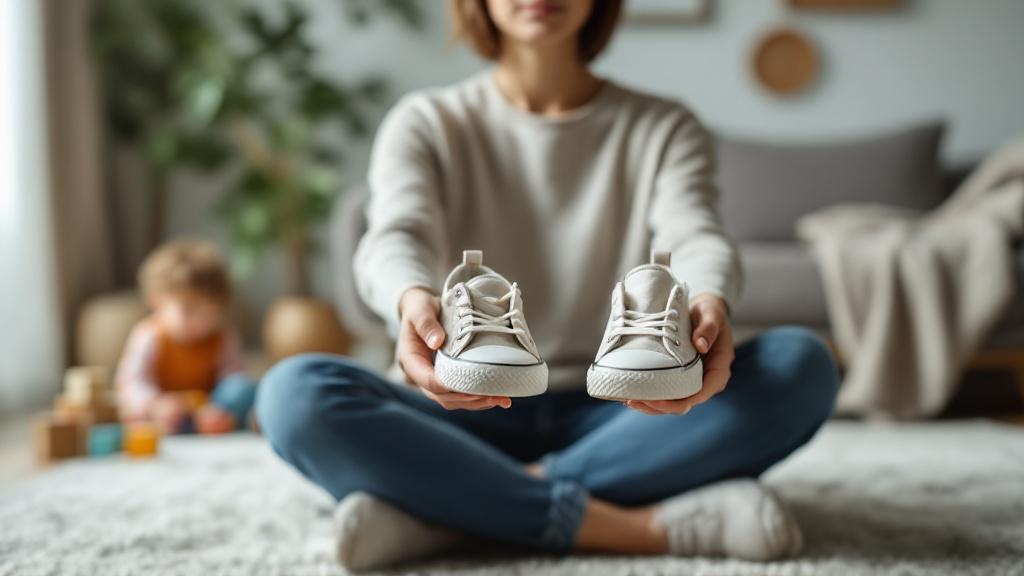
Real-life wear tells the truth about value—comparing worn and sturdy sneakers helps parents think in terms of cost per wear, not just price tags.
Big Question
Why Kids Shoes Wear Out So Fast
Kids shoes feel expensive because you pay often. Little feet grow fast, and active kids punish their footwear. Many parents replace shoes at least every school term, sometimes more for toddlers. FDRA reports that in a U.S. Back-to-school survey, around 25% of parents expected to spend up to $100 on kids shoes for the season, while roughly 21–24% planned to spend $150–$200 and 13–18% more than $300.
Growth is just one part. Children jump from playground to scooters to sports, often wearing one pair for everything. That means constant friction at the toes, sides, and heel. When you combine heavy use with the cheapest possible build, shoes fail long before your child outgrows them. Affordable kids shoes can last, but only when fit, construction, and usage match.
The market itself encourages confusion.[1] Fortune Business Insights notes that non-leather options like synthetic and textile shoes make up about 68.84% of kids footwear because they are cheaper and easier for frequent replacement. Leather often lasts longer and feels better but costs more upfront. Understanding these trade-offs helps you see why some pairs collapse quickly while others survive a whole school year.
Value Lens
Cost Per Wear, Not Just Price
“Affordable” is not always the lowest price on the shelf. True value is what you pay divided by how long the shoes actually work. If a $20 pair of budget sneakers from a supermarket lasts four weeks of daily school and playground use, that might come to around 20–25 wears. Your cost per wear is roughly $0.80–$1.
Now imagine a $40 pair of sturdy, mid-range athletic shoes that survives nine months of weekday school plus weekend play. If your child wears them 150 times, your cost per wear drops to about $0.27. That second pair looked more expensive, yet it cost you less for every day those feet were protected and comfortable.
For many families, the goal is that kids outgrow shoes before they fall apart. That is the standard you are aiming for when looking for affordable kids shoes that last. That does not mean you must always buy premium brands. It means you want sensible materials, solid construction, and a good match to your child’s behavior, even at lower price points.
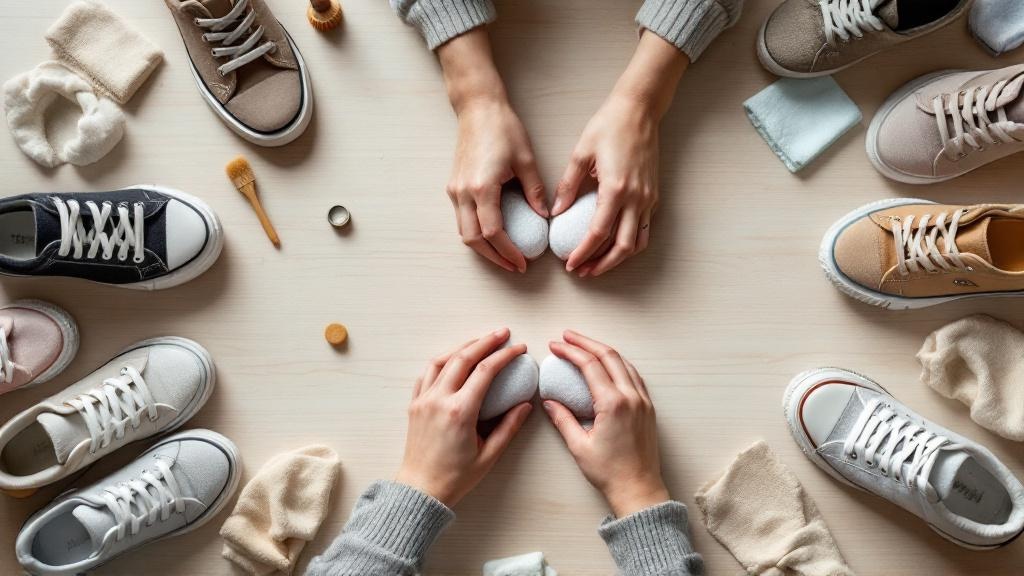
A simple in-hand inspection—checking flex, stitching, and toe caps—helps parents quickly spot which kids’ shoes are built to handle real play.
Step 1
Get the Fit Right
Correct fit is your first money-saving step. Shoes that are too small get abandoned early or hurt your child’s feet. Shoes that are too big cause tripping, blisters, and odd walking patterns that may need podiatry help later. A basic kids shoe sizing guide you can use at home goes like this:
- Have your child stand on a sheet of paper, heel against a wall.
- Mark the longest toe, then measure heel-to-toe in centimeters.
- Compare with the brand’s size chart, checking both length and width.
In-store, always check toe room while your child stands. You want about one thumb’s width (roughly 0.5–0.7 inch) between the longest toe and the front of the shoe. Less, and you have no growth room. Much more, and the shoe may slip, rub, and feel clumsy. For affordable kids shoes, this small check can save you from replacing pairs that “fit” in the aisle but are rejected at home.
Think about timing. For toddlers, check fit every 6–8 weeks because their feet can jump sizes quickly. For school-age kids, every 3–4 months is usually enough. Know the signals that it is time to replace: toes pressing the front, new blisters or calluses, worn-out tread that slips on playground surfaces, or uppers tearing at stress points. Paying attention to these tells you when shoes have reached the end of their safe life, not just when they look messy.
Step 2
Durability Checklist for Tough Shoes
Durability is where you protect your budget most. A quick, repeatable inspection can help you spot kids shoes that last before you pay. Good kids shoes balance flexibility with structure and protect the toes, sides, and heel. Use these four checks, whether you are shopping for affordable kids shoes in-store or online.
Outsoles and Flex Test
Look at the sole material. For everyday school and playground use, you want a thick rubber sole with visible tread, not soft foam alone. Hold the shoe and bend it. It should flex at the ball of the foot, where your child’s toes bend, but not twist easily through the middle. If you can wring it like a dishcloth, it is likely too flimsy for hard daily play.
Upper Materials and Toe Protection
Canvas, mesh, synthetics, and leather all behave differently. Canvas and thin mesh breathe well but often tear at the toes. Synthetic leather or coated fabrics usually resist scuffs better. Leather often offers the best balance of comfort and durability but costs more.
Check the toe area carefully. This is where kids drag, kick, and kneel. Look for:
- Reinforced toe caps or bumpers
- Double stitching around the front
- A raised rubber guard that wraps over the toe
Shoes without any reinforcement at the front rarely qualify as kids shoes that last if your child is active.
Construction, Stitching, and Inside Comfort
Inspect where the upper meets the sole. A combination of stitching and glue is usually stronger than glue alone in high-stress areas. Check side seams and straps for solid stitching without loose threads. Inside, run your finger along seams and edges. Rough or bulky seams can cause blisters, meaning your child refuses the shoes and your money sits in the closet.
Support matters too.[2] Everyday kids shoes should follow the natural shape of the foot, with a secure heel, roomy toe box, and low or no heel rise (often called “zero drop”). The midfoot should feel stable while the front of the shoe bends easily. For specific sports, more structure is fine, but those shoes should not double as all-day school shoes for most kids. Forbes notes that many mid-range athletic brands around $35 and up gain praise for balancing support, durability, and price, which is useful when comparing options.
“
When you think in cost per wear, “cheap” shoes that fall apart fast often become the most expensive choice you can make.
Step 3
Match Shoes to Real Life
Many failures happen because one pair must do everything. Your child wears the same sneakers to climb playground structures, drag toes on scooters, play soccer at recess, and attend parties. A smarter approach is to match kids shoes that last to specific tasks, even if you still aim for affordable kids shoes in each category.
Everyday School and Playground Pairs
For daily school wear, focus on closed-toe shoes with decent tread, cushioned but not mushy soles, and uppers you can wipe or wash. Darker colors or patterns hide scuffs better than plain white. Velcro makes sense for younger kids so they can adjust fit themselves during the day. Make sure the shoe suits the school dress code, then prioritize durability details like reinforced toes and sturdy straps.
Sports, Activities, and PE Days
If your child plays an organized sport or runs a lot, consider a separate pair for that activity. It can feel like extra spending, but it often saves money. One parent case study: their child wore $20 generic sneakers for everything and burned through three pairs in a school year, spending about $60. The next year they bought $35 mid-range running shoes for PE and a $25 sturdy casual pair for school. Total spend was similar, but both pairs lasted the full year with better support.
Weather, Seasons, and Special Use
Sometimes a cheaper seasonal pair is smarter than forcing one shoe to handle every climate. Water shoes or flip-flops can be low-cost for beach days, while you invest more in the school pair your child wears 180 days a year. For winter, look for boots with grippy soles and room for thicker socks, but avoid very heavy designs that tire smaller kids quickly. Affordable kids shoes do not have to be all-purpose shoes; they just need to be the right tool for each job.
Smart Choices
How to Pick Affordable Kids Shoes
When you stand in the aisle or scroll online, decisions feel overwhelming. Turn it into a simple checklist for affordable kids shoes: fit, durability, material, and use. Start with size and toe room, then run your durability tests: flex at the ball, twist check, toe cap check, and stitching inspection.
Next, ask how often your child will wear this pair. For something they wear daily, avoid the cheapest build even if the design is cute. A good rule: spend a little more for the pair that will see the most days, and save on occasional-use pairs like party shoes or beach sandals. Affordable kids shoes that last for school should usually sit in the low to mid price range, not the very bottom.
Finally, check return policies. Even with a solid system, sometimes shoes just do not work for your child’s foot shape. A store that allows hassle-free returns or exchanges within 30 days protects your budget. This matters when you test brands or try barefoot kids shoes, which can feel very different for children used to heavily cushioned sneakers.
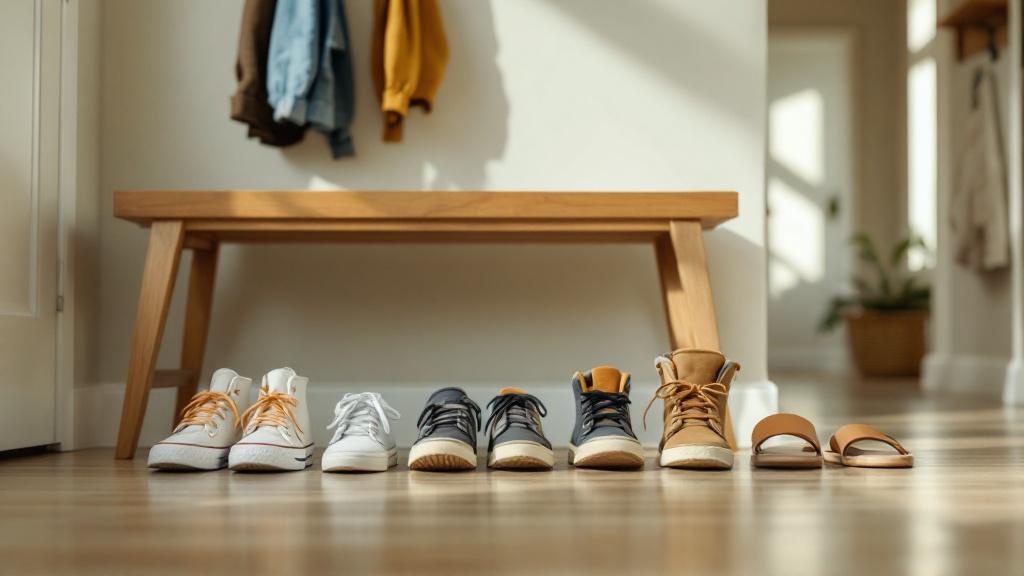
Planning a small rotation of purpose-built shoes—school, sports, and weather-ready—can stretch each pair’s lifespan and make every dollar work harder.
Budget Wins
Save Money on Affordable Kids Shoes
Finding affordable kids shoes is not only about picking the right pair; timing and sourcing matter too. Grand View Research notes strong growth in athleisure and sustainable designs within kids footwear, which can carry higher price tags. Smart parents work around that by shopping sales cycles and secondhand options.
Timing, Sales, and Clearance
Retailers discount heavily at predictable times.[3] FDRA’s back-to-school survey data shows how much spending concentrates around that season, and stores respond with promotions. Aim to buy core school shoes slightly before peak rush, when sizes are in stock but early sales appear. For non-urgent pairs, look for end-of-season clearance where last season’s colors cost far less but construction is identical.
Clearance kids shoes in basic colors often deliver the best value. Check outlets for quality brands at lower prices, and inspect the shoes carefully just as you would full-price pairs. Keep a simple budget number in mind per child per year, then track actual spend. Many families find that a target like $120–$180 annually per child is realistic for two or three solid pairs if they lean on sales and avoid panic purchases.
Secondhand and Hand-Me-Downs
Secondhand kids shoes can be a smart option when used carefully. Because kids often outgrow shoes before they destroy them, resale platforms and local consignment stores can hide excellent finds. When you buy secondhand kids shoes, check:
- Sole wear: tread still visible and even
- Heel shape: not crushed or leaning to one side
- Insole: not deeply molded to another child’s foot
- Smell and cleanliness: no strong odors or mold
Lightly used dress shoes, snow boots, or special-occasion pairs are safer secondhand than everyday school sneakers. If a pair looks heavily molded or deformed, skip it. Your child’s feet deserve a fresh start for high-mileage use.
Step 5
Make Kids Shoes Last Longer
Care routines can turn decent affordable kids shoes into kids shoes that last. Dirt, moisture, and hard habits like toe-dragging shorten a shoe’s life. A simple weekly check and clean can add months. For sneakers, knock off dried mud, wipe uppers with a damp cloth, and let them air dry completely. Avoid high heat sources like radiators or dryers, which can warp soles and crack glue.
Try to rotate between at least two pairs for school and active play. Letting yesterday’s shoes dry fully reduces odor, helps materials rebound, and slows breakdown. One case many parents mention: once they moved from one pair to a two-pair rotation, each pair often lasted an extra term or more, even when both were affordable kids shoes rather than premium brands.
Protective sprays can help for certain materials like leather or some synthetics, especially in wet climates. Always test on a small area first. Teach small habits too: ask kids not to kick off shoes by stepping on the heel, and show them how dragging toes on scooters destroys the front. These tiny behavior changes matter over hundreds of plays.
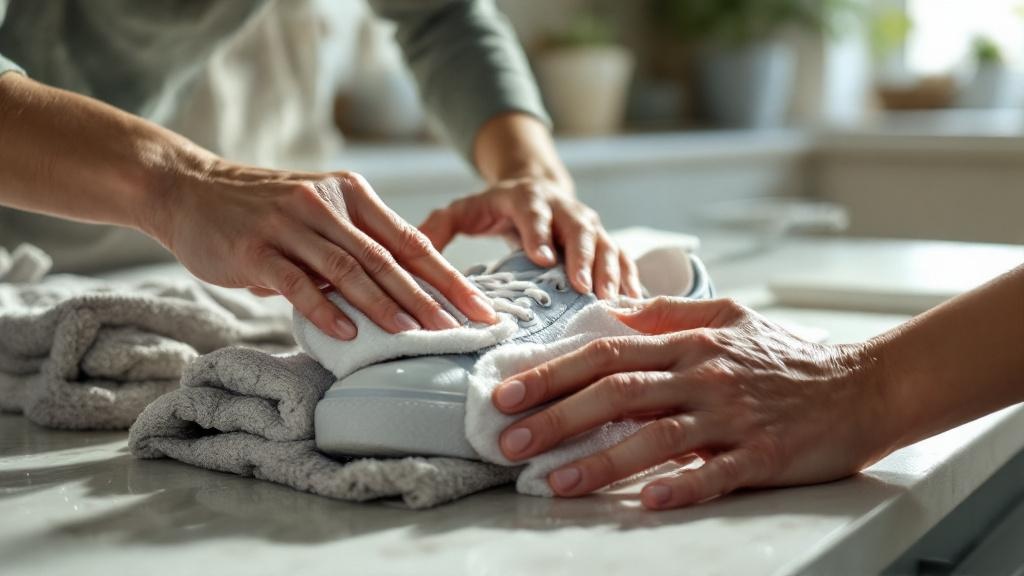
Quick cleaning and drying rituals keep kids’ shoes comfortable and sturdy, turning a small habit into months of extra wear and better value.
Price Tiers
Affordable vs Premium Kids Shoes
Parents often ask whether expensive brands truly last longer. According to Fortune Business Insights, leather kids shoes, though a smaller share of the market, are valued for durability and comfort and are expected to grow quickly because parents see them as long-lasting. At the same time, non-leather shoes dominate because they are more affordable and easier to buy often.
Editorial testing from places like Forbes and Reviewed often finds that mid-range athletic brands, sometimes starting around $35, balance structure, durability, and price well for active kids. That suggests most families get the best value from solid mid-range construction rather than ultra-cheap or very premium pairs. Affordable kids shoes in this band often have reinforced toes, quality stitching, and better outsoles without luxury pricing.
Cheap shoes still have a place.[4] Beach sandals, occasional party shoes, or a spare pair for muddy play can come from the lowest price tier, because they see fewer wears. For school and sports, where your child spends hours daily, think about cost per wear and foot health instead of just the sticker price.
Foot Health
Special Foot Considerations
Foot health matters, especially when budgets are tight. You want affordable kids shoes that support natural development. Many pediatric guidelines, like those promoted by APMA, suggest shoes shaped like the foot, with a wide toe box, flexible forefoot, and minimal heel rise. For toddlers, very stiff shoes can interfere with learning to balance and walk.
Barefoot kids shoes follow this idea strongly: very flexible soles, wide front, and zero drop. They can work well for some children, especially for everyday wear or light play, but may not be ideal for all sports or every school surface. If you try them, still apply the same checks for durability and materials, because very thin soles can wear quickly on rough playgrounds.
Watch for warning signs that shoes are hurting: limping, frequent tripping, new calluses or blisters, or your child refusing to wear a pair that looks fine. If pain persists, talk with a pediatrician or podiatrist, and bring the shoes along. With that guidance, you can go back to your system for affordable kids shoes, adjusting toward more structure, more flexibility, or different widths as needed.
Quick Tools
Material Comparison and Red Flags
Use this quick comparison table when choosing materials for affordable kids shoes.
| Material | Durability | Typical Cost | Cleaning Ease | Best Use Cases |
|---|---|---|---|---|
| Canvas | Low–medium | Low | Easy washing | Casual, light play |
| Synthetic Leather | Medium | Low–medium | Wipe clean | School, playground |
| Leather | High | Medium–high | Wipe, condition | School, dressy, boots |
| Knit/Barefoot | Medium | Medium | Spot clean | Everyday, light sport |
When you are unsure in the store, remember five “green flags” that suggest kids shoes that last:
- Reinforced toe cap
- Sturdy rubber outsole
- Flex at the toes, not the arch
- Secure heel with padding
- Double stitching at stress points
And watch for five red flags, especially on what seem like affordable kids shoes:
- Very thin soles with little tread
- Glue-only attachment at the sole edge
- No toe protection on an active kid’s shoe
- Stiff all over or floppy everywhere
- Rough inner seams that scratch your fingers
How much should I budget per year for kids shoes?
Budgets vary, but many families in FDRA’s survey expect to spend $100–$300 per child for back-to-school season alone, including multiple pairs. For a full year, a realistic goal for two to three decent pairs might be $120–$180 if you shop sales, consider secondhand for low-use pairs, and focus on affordable kids shoes with solid construction. Track your actual spend for a year, then adjust.
Is it OK to buy secondhand shoes for my child?
Yes, secondhand kids shoes are fine when they are lightly worn and still hold their shape. Prioritize occasional-use items like dress shoes or snow boots. For everyday school shoes, be sure the soles are not heavily worn and the insides are not molded to another child’s foot. If tread is flat, heels lean, or the shoe smells strongly, skip it.
How big is "too big" when allowing room to grow?
Aim for about one thumb’s width of space between the longest toe and the shoe front when your child stands. That amount gives growth room without causing tripping or heel slip. Anything more than about a full size bigger is usually too big, especially for toddlers who are still steadying their balance. Shoes that are much too big often wear out faster because feet slide around and rub.
Do my kids need different shoes for sports and school?
Often yes, especially if they play regular sports or run hard on different surfaces. A separate pair of sport-specific shoes can protect their feet and make both pairs last longer. Using one pair for everything might look cheaper, but it usually burns through the shoes faster. Many parents find that two pairs, even affordable kids shoes, outlast multiple “do-everything” pairs.
How can I tell when shoes are hurting my child’s feet?
Watch for limping, frequent tripping, new blisters or calluses, or toes curling to “fit” inside the shoe. Pay attention if your child resists wearing a pair that looks fine or complains that feet feel tired or sore after short walks. Check for toe room, pressure marks on the sides, and worn-out soles. If pain continues, speak with a pediatrician or podiatrist and bring the shoes to the visit.
Your Plan
Putting It All Together
You now have a clear system for How to Find Affordable Shoes for Kids That Last: measure carefully, inspect for durability, match the shoe to your child’s real life, shop smart, and care for each pair. When you think in cost per wear instead of sticker price, it becomes easier to choose which pairs deserve a little more budget and which can be truly cheap.
Next time you shop, pick up a pair and walk through your checklist out loud. Check toe room, bend the sole, inspect stitching and toe caps, then picture how many days your child will actually wear them. Combine that judgment with sales, secondhand options, and simple cleaning routines, and you will turn affordable kids shoes into reliable, comfortable shoes that carry your child further for every dollar you spend.
At Oodlz, we care about every way families stretch their budgets, from kids shoes to weekly groceries. When you are ready, pairing smart buying decisions with cashback on your everyday shopping can free up even more room in your budget.