Lifestyle
Grow Your Own Food and Save More on Groceries
Grocery prices keep creeping up, and “cheap” produce often feels anything but. No wonder more people want to know How to Save Money Growing Your Own Plants and Vegetables and whether it genuinely cuts costs. You might also wonder how to fit gardening around work, kids, and a tight budget.
The honest answer: you can grow own food save real money, but only if you plan it like a mini home project, not a Pinterest fantasy. Your crop choices, spending, and habits matter as much as your soil. With the right system, you can turn even a balcony into a small but powerful grocery bill helper.
This guide shows you exactly how to design a money‑smart garden. You’ll see real numbers, high‑ROI crops, frugal setup tips, and simple layouts for any space. By the end, you’ll have a clear 6‑step plan to grow own food save cash, eat better, and enjoy the process instead of feeling overwhelmed.
Table of Contents
- Does Gardening Really Save You Money?
- Define Your Budget, Space, and Time
- Choose Crops To Grow Own Food Save
- Start Cheap With Seeds, Soil, and Tools
- Layouts To Grow Own Food Save
- Weekly Habits That Protect Savings
- Stretch Harvests and Plan Meals
- Example Gardens and ROI
- Frequently askedquestions.
- Build a Garden You Enjoy
- Sources
Key Takeaways
- Growing food can save $180–$1,300 in materials value per season if you focus on high‑ROI crops and low costs.
- Realistic expectations matter: when labor is counted, Kansas State University shows net value ranges from –$90 to $550.
- To grow own food save more, put most space into high‑value vegetables and use cheap or shared tools.
- Small spaces can still cut herb and salad costs with containers and careful crop choice.
- Preserving, meal‑planning, and tracking your harvest turn a hobby garden into a steady money saver.
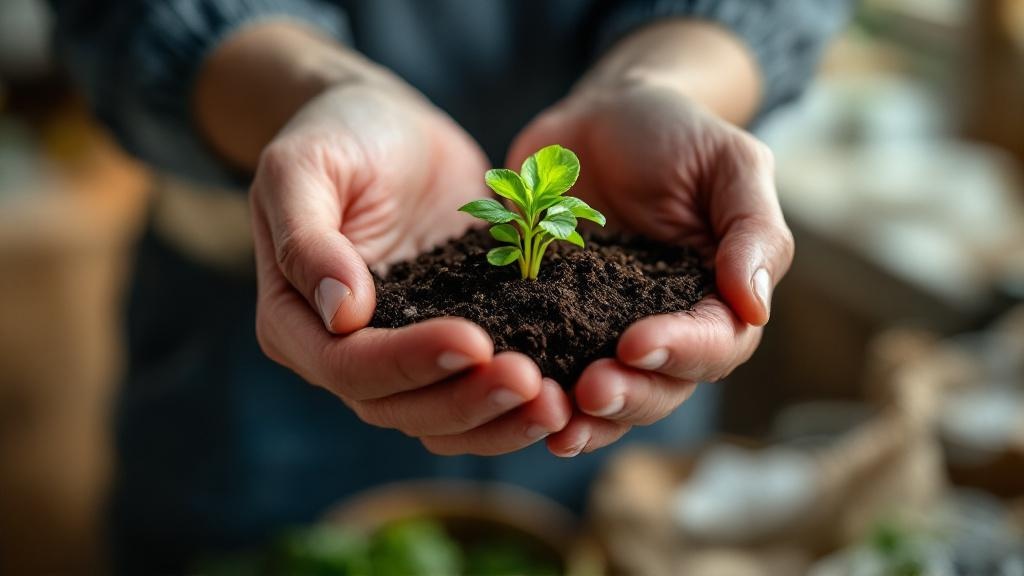
A few inexpensive seeds and some soil can be the starting point for real savings on fresh, homegrown vegetables.
Money Check
Does Gardening Really Save You Money?
Before you grow own food save money, you need honest numbers. Kansas State University reviewed multiple studies and found typical home gardens produced $180–$1,300 worth of fruits and vegetables above material costs per season. When they added a reasonable value for labor, average net value ranged from –$90 to $550.[1]
That spread tells you two things. First, a smart garden can absolutely pay for itself. Second, it is easy to overspend on fancy beds, tools, or low‑value crops and watch your saving money depends on how well you control costs, choose crops, and avoid waste.
The University of Florida IFAS Extension compared raised bed costs to store prices. Their example showed tomatoes saving about $0.14 per pound, baby spinach saving a big $4.67 per pound, while carrots actually cost $0.50 per pound more to grow than to buy. RubyHome’s gardening statistics go further, showing ROI over 500% for some crops like green beans.
So yes, gardening can help you grow own food save on groceries. The key is building a money‑smart system: choose high‑ROI vegetables, start cheap, use what you harvest, and keep your time and spending realistic for your life.
Step 1
Define Your Budget, Space, and Time
To grow own food save effectively, start with a clear profile of your situation. Decide on a total budget for this season: maybe $50, $100, or $200. Include soil, seeds or seedlings, and any containers or tools you truly need. Knowing that limit keeps you from impulse buying raised bed kits or gadgets that destroy your ROI.
Next, look at your space. Do you have a sunny backyard, a small side strip, a community plot, or only a balcony or windowsill? Most vegetables need at least 6 hours of sun. If you have less, focus on leafy greens and herbs, which tolerate partial shade and still help you grow own food save money on everyday ingredients.
Finally, be honest about your time. A small 4×4 bed or 6–8 medium containers usually needs 1–2 hours per week in peak season. A 10×10 plot might need 3–4 hours. If you travel a lot, choose lower‑maintenance crops and consider drip hoses or self‑watering containers so your plan to grow own food save money does not die in a heatwave.
Here are three quick example profiles:
- Balcony renter: $50 budget, 4 hours per month, 4–6 hours of sun. Focus on herbs and salad greens in containers.
- Small yard beginner: $100 budget, 1–2 hours per week, space for a 4×8 bed. Grow salad mixes, beans, and a few tomatoes.
- Family with 10×10 plot: $150 budget, 3–4 hours per week, good sun. Mix high‑yield staples plus kid‑friendly snacks like cherry tomatoes.
These profiles guide every choice you make next so you grow own food save without overcommitting.
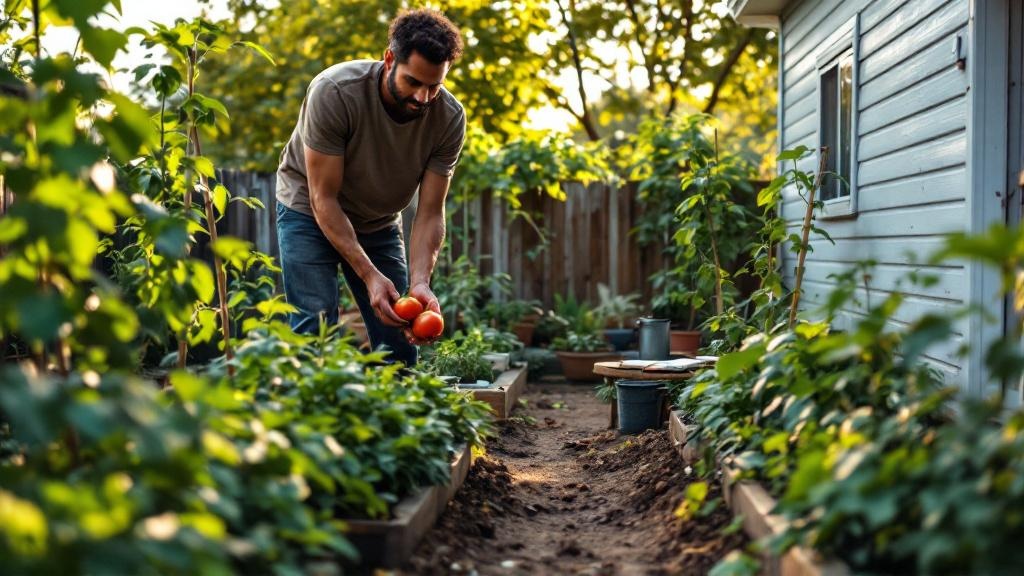
Even a compact backyard can become a money-smart garden when you focus on high-yield vegetables and simple, low-cost tools.
Step 2
Choose Crops To Grow Own Food Save
Green beans can have an ROI of about 508.6% (roughly $2.10 seeds → $10.68 harvest). Zucchini and summer squash sit near 413.3%, and tomatoes around 205.6%. Those are the types of vegetables that help you grow own food save meaningfully.
Here are high‑ROI staples for most home gardens:
- Green beans (bush or pole)
- Zucchini and summer squash
- Tomatoes, especially cherry and salad types
- Leafy greens: lettuce mixes, baby spinach, kale
- Fresh herbs: basil, parsley, cilantro, chives
- Peppers: especially sweet peppers and jalapeños
- Cucumbers for slicing and pickling
These crops either yield heavily per square foot or are expensive in stores, especially if you buy organic. Growing herbs is a classic grow your own food save money move, because $3–$4 store herb bunches add up quickly. A few pots on a balcony can replace a lot of those purchases.
Some crops are “maybe” choices. Onions, carrots, and potatoes are often cheap in stores and can demand a lot of space and time. The University of Florida IFAS white paper showed carrots costing more to grow than to buy in their example scenario.[2] Perennial fruits like asparagus or strawberries can pay off over several years but often need higher upfront investment and space, which may not fit an early grow own food save plan.
A simple rule:
- 60–70% of your space: proven high‑ROI staples
- 20–30%: family favorites you know you will eat
- 10–20%: experiments or “fun” crops
That mix keeps your garden exciting while you grow own food save with a solid financial backbone.
Step 3
Start Cheap With Seeds, Soil, and Tools
To grow own food save more in year one, keep setup costs low. Seeds usually beat transplants for price, especially for beans, peas, greens, herbs, and squash. One $3 packet can plant an entire bed. Transplants make sense in colder climates, short seasons, or if you are starting late and only want a few tomatoes or peppers.
Look for seed swaps, local gardening groups, or community gardens where people share extras. Keep opened seed packs dry and cool and use them again next year. Over time, you can save even more by collecting seeds from open‑pollinated crops like basil, beans, or some tomatoes. All of this supports a long‑term grow own food save habit instead of re‑buying everything each spring.
Soil is another big cost. If you have ground space with decent drainage, in‑ground beds are often cheapest. You can improve soil slowly with compost and mulched leaves rather than buying lots of bagged mixes. If you need raised beds or containers, search for free or cheap materials: food‑grade buckets, reclaimed lumber, or second‑hand planters.
For tools, a minimal kit is enough: gloves, a hand trowel, a small cultivator or fork, and a watering can or hose. You can grow own food save comfortably with just a few basic tools found at thrift stores, yard sales, or borrowed from neighbors. Skip expensive gadgets unless they replace frequent store purchases or serious frustration.
“
The more you treat your garden like a frugal project, not a shopping hobby, the more it helps you grow own food save real money.
Step 4
Layouts To Grow Own Food Save
Good layout means more food from the same space. For a small backyard, think in rectangles, not skinny rows. A 4×4 or 4×8 bed lets you plant in wide bands, which increases yield per square foot. Vertical supports for beans, cucumbers, and some tomatoes save ground space and help you grow own food save with less soil and fewer beds.
Here are three simple layouts you can sketch on paper. They are rough guides; adjust to your climate and tastes:
4×4 Salad and Herb Saver
- One square: mixed leaf lettuce
- One square: baby spinach or kale
- One square: basil and parsley
- One square: green onions or radishes
This kind of bed lets you grow your own food save money on bagged salad mixes and herb clamshells quickly.
10×10 Family Staples Bed
- Back row: trellised green beans and cucumbers
- Middle row: tomatoes and peppers
- Front row: lettuce, kale, and herbs
With a plan like this, a family can grow own food save on sauces, salads, and sides through much of the summer. Keep paths narrow and beds full so you are farming every square foot you can reach.
Balcony Container Plan
- 2–3 medium pots: cherry tomatoes and peppers
- 2 railing boxes: salad mix and spinach
- A few small pots: basil, cilantro, chives
Even with just this, you can grow your own food save money each week on herbs and greens. Focus containers in the sunniest spots, group them for easier watering, and ensure good drainage so your money does not wash away with failed plants.
Step 5
Weekly Habits That Protect Savings
Once your plants are in, small weekly habits decide whether you truly grow own food save or end the season disappointed. Consistent watering is first. Under‑ or overwatering kills ROI faster than pests in many beginner gardens. Check soil with your finger; water deeply but less often. Mulch with leaves, straw, or grass clippings (that have no herbicides) to keep moisture in and weeds down.
Weeding and simple pest management matter too. Spend 10–20 minutes, a couple of times a week, pulling weeds while they are small. This reduces competition so your vegetables grow faster and stronger. For pests, start with cheap methods: hand‑pick beetles, rinse aphids with water, or use light netting over young plants. Physical barriers and close observation often replace expensive sprays.
Planting at the right time also protects your goal to grow own food save. Use your local frost dates from extension services, then plant cool‑season crops like spinach early and warm‑season crops like tomatoes only after danger of frost is gone. Losing a whole bed to a late freeze doubles your plant costs, which eats straight into your return.
Finally, avoid waste by using thinnings and imperfect harvests. When you thin lettuce or beets, eat the baby leaves as microgreens. Slightly damaged tomatoes are still perfect for sauce. Everything you use from your own garden helps you grow own food save instead of throwing free food in the compost.
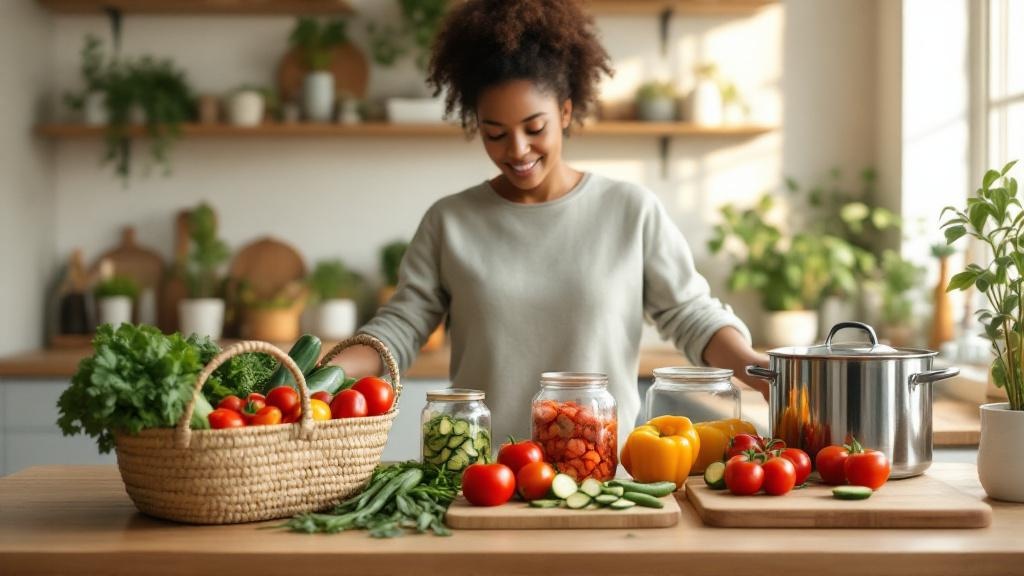
Preserving and cooking with your harvest turns a single season of gardening into months of reduced grocery spending.
Step 6
Stretch Harvests and Plan Meals
Preserving is where a lot of people finally see their grow own food save results add up. Freezing is usually the lowest‑stress option. Blanch green beans, kale, or zucchini slices briefly in boiling water, cool them, then freeze in labeled bags. Frozen vegetables keep much of their quality and let you enjoy homegrown food months after the season ends.
Simple sauces and condiments work well too. Turn tomatoes, onions, garlic, and herbs into batches of pasta sauce or salsa. Blend basil with oil, garlic, and nuts for pesto, then freeze it in ice cube trays. Herb butters or dried herbs extend the value of a single plant through the year, helping you grow own food save when fresh prices spike in winter.
Meal‑planning around your garden closes the loop. Look at what is ready each week, then build dinners around those crops instead of shopping first and “adding a few garden things.” National Co+op Grocers explains that home gardening supports both health and budget when you consistently swap store‑bought produce for what you grow.[3] Tracking this swap, even roughly, is key to seeing how you grow own food save over a whole season.
Two simple steps help: keep a notebook or phone note where you log each harvest with a rough store price, and mark how you used it. At the end of the season, you can compare your harvest value to your costs and tweak next year’s plan to grow own food save even more.
Real Numbers
Example Gardens and ROI
Numbers make this real. Here are simple, fictional but realistic scenarios that blend data from Kansas State University, RubyHome, and University of Florida IFAS. They are examples, not promises, but they show how you might grow own food save through one season.
Balcony Herb and Salad Garden
- Setup: 4 medium containers, potting mix, a few seed packets and one tomato transplant.
- Cost of starting a vegetable garden (balcony version): about $60.
Over a season, you might harvest:
- 1 pound per week of mixed salad greens for 12 weeks: 12 pounds total.
- Herbs equal to two store bunches per week for 16 weeks: about 32 bunches.
- 10 pounds of cherry tomatoes.
If store salad is $5 per pound, herbs $3 per bunch, and tomatoes $2.50 per pound, that equals about $60 + $96 + $25 = $181 in produce. Even with rough numbers, you grow own food save around $120 in the first year. Containers and many tools carry over, so year two savings grow.
10×10 Mixed Family Bed
Now a slightly larger plot, following the high‑ROI mix:
- Setup: homemade beds, compost, seeds, and a few transplants for about $150.
A realistic season might look like:
- 30 pounds of tomatoes
- 20 pounds of green beans
- 15 pounds of zucchini and summer squash
- 15 pounds of cucumbers
- 20 pounds of assorted greens and herbs (counted at salad/herb prices)
Using similar moderate store prices, that might be roughly $75 + $40 + $30 + $30 + $120 = $295 in produce. That is a simple $145 material‑only gain and lines up with Kansas State University findings that many gardens produce $180–$1,300 above material costs. If you value your labor, net savings change, but you still grow own food save in the form of fresher, tastier meals at home.
Crop Comparison Snapshot
To guide crop choices, here is a small example table blending typical cost and ROI insights from RubyHome and University of Florida IFAS. Numbers are rounded and will vary by region.[4]
| Crop | Seed Cost | Typical Yield | Store Price | ROI Notes |
|---|---|---|---|---|
| Green beans | Low | High | Moderate | Very high ROI |
| Zucchini | Low | Very high | Moderate | Very high ROI |
| Tomatoes | Low/Med | High | Moderate | Good ROI |
| Baby spinach | Low | Moderate | High | Excellent ROI |
| Carrots | Low | Moderate | Low | Often low or negative ROI |
Used wisely, this kind of comparison helps you grow own food save rather than filling beds with vegetables that are already cheap to buy.
How much money can a small garden realistically save me?
A well‑planned small garden can often grow own food save between $100 and $300 in produce value per season. Kansas State University data shows many gardens generate $180–$1,300 above material costs, with smaller spaces on the lower end. Focused container gardens of herbs and salads often pay back fastest because those items are pricey in stores.
Is gardening still worth it if I count my time?
When Kansas State University valued gardener time, average nets ranged from –$90 to $550. Financially, that means your hourly “wage” can be modest. But many people still choose to grow own food save because they enjoy the exercise, stress relief, and fresher meals. If you treat it as a rewarding hobby that also trims your grocery bill, the time usually feels well spent.
What if I have very little sun?
You can still grow own food save something in partial shade. Leafy greens like lettuce and spinach, plus many herbs, tolerate less than 6 hours of direct sun. They may grow slower, but they stay tender longer in hot weather. Arrange containers or beds in the brightest spots and skip crops like large tomatoes or peppers if your site is very shaded.
Do I need to garden organically to save money?
You do not have to be fully organic to grow own food save money. Many frugal gardeners use mostly organic methods because compost, mulch, and hand‑picking pests are cheap and effective. If you choose any purchased products, buy only what you truly need and follow label directions. Your biggest savings still come from smart crop choice and avoiding waste, not from buying lots of inputs.
What if my first year is a flop?
Almost every gardener has a rough first year. Treat it as paid learning. Track what survived, what you actually ate, and how much you spent. Then adjust the next season to grow own food save more: shift space to your best crops, start earlier or later as needed, and simplify. Iowa State University Extension reminds beginners that even modest success can lower a grocery bill or two and build skills you keep for life.[5]
How can I track whether I really save money?
Keep it simple. Save receipts or note typical prices for what you usually buy, then write down your harvest weights or rough volumes, like “2 salad bags” or “3 herb bunches.” Multiply by store prices every few weeks. When you compare this total to your startup costs at the end of the season, you will see how your grow own food save experiment performed and where to tweak it next year.
Next Steps
Build a Garden You Enjoy
Growing food to save money works best when it fits your real life. You now have a full system: set a budget, match crops to your space and time, start with low‑cost supplies, use smart layouts, build simple weekly habits, and preserve what you grow. Follow those steps and you can steadily grow own food save across each season instead of guessing.
Treat the coming season as a test run. Choose one garden plan from this guide, track your spending and harvest, and cook with what you grow at least twice a week. As you refine what works, your garden can become part of a wider money‑smart lifestyle: more home‑cooked meals, less food waste, and fewer shocks at the checkout. That is How to Save Money Growing Your Own Plants and Vegetables in a way that feels sustainable, enjoyable, and realistic for years to come.
At Oodlz, we love seeing people combine smart gardening with smart shopping to boost their yearly savings. When you stack cashback rewards on garden supplies with the produce you harvest at home, you grow own food save even more without feeling like you are cutting corners.